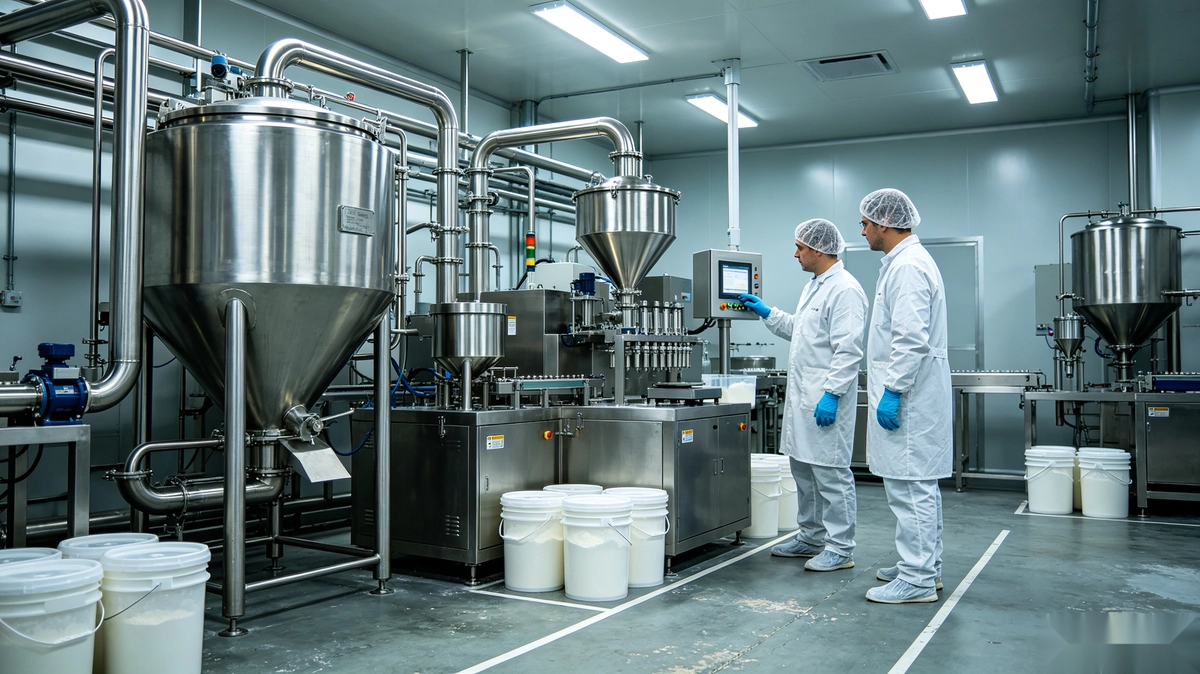
If you’re new to the supplement business, you’ve probably typed “supplement packaging manufacturer” into Google with a pretty vague idea of what you actually need. “I have a product idea. How do I get it packaged?”
The problem is, the search results are a mess. You’ll find bottle distributors, label printers, blister pack specialists, and massive CDMOs. They all call themselves “packaging suppliers,” but they solve totally different problems.
This article isn’t theory. We’re going to walk through the six questions you absolutely need answered before you choose a partner. And because we’re a dietary supplement manufacturer first—packaging is a service that runs alongside our production lines—our answers might sound a little different from what you’d hear from a pure packaging vendor.
Question 1: What Kind of Packaging Partner Do I Actually Need?
Before you send a single email, you need to figure this out.
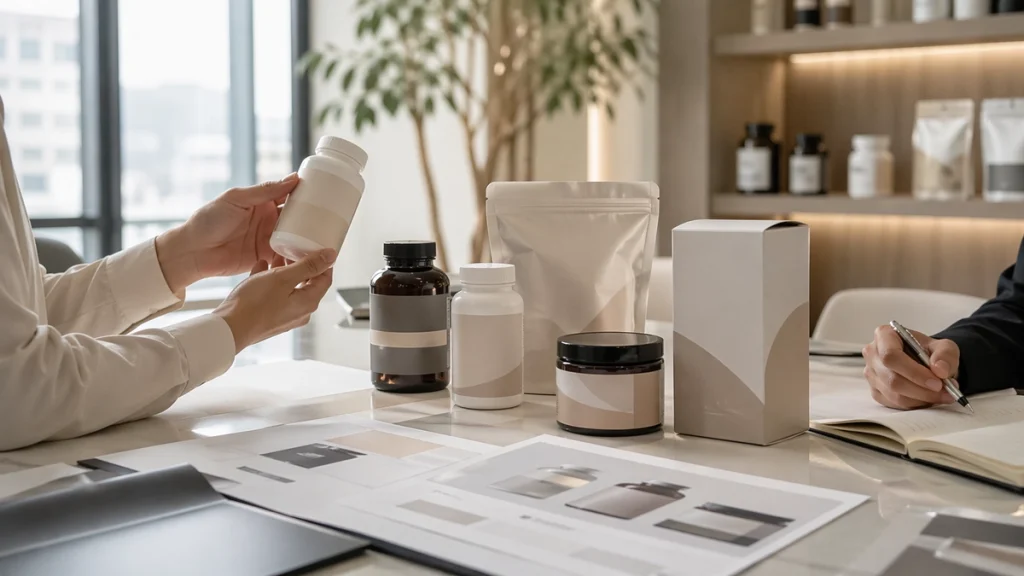
If any of the following sounds like you, you don’t just need a vendor who sells bottles. You need a partner who can manage the entire turnkey supplement packaging process from the inside out:
- You’re launching a Private Label brand. You have a formula (or want to use one of ours), but you have no idea what bottle shape works, how the label should look, or how to box it up. You need someone to tell you whether to use private label supplement packaging with stock components or invest in custom bottle packaging from the start.
- You need to upgrade existing packaging. Your current pouch or bottle looks cheap, and you want better conversion rates on Amazon or shelf appeal in stores. You need more than just new plastic; you need someone to recalculate the bottle taper, label height, and insert fit so the whole package feels premium.When packaging is only one part of a larger product launch, the turnkey supplement manufacturing scope should also clarify who handles formula development, sampling, testing, documents, and shipment support.
- You sell cross-border or wholesale in the U.S. FDA label compliance and damage prevention during shipping keep you up at night. If you pick the wrong seal, your gummies arrive as a melted brick. If your label’s Supplement Facts panel is wrong, your shipment gets stuck at customs.
- You’re tired of managing three different vendors. Bottles from Vendor A. Labels from Vendor B. Boxes from Vendor C. When the label doesn’t fit the bottle curve or the box is too big for the insert, who do you call? You need full-service nutraceutical packaging where one door is responsible for everything from the bottle to the master carton.
Our answer: Since we make the product inside the package, our first question is always: “Is this formula moisture-sensitive? Heat-sensitive?” We don’t just quote you a per-bottle price. We start with the product stability.
Question 2: I Make Gummies/Capsules/Powder—What Are the Packaging Pitfalls?
This question is about matching the package to the dosage form. We’ve had too many clients come to us with a “dream bottle” only to find out it’s completely wrong for what’s going inside.
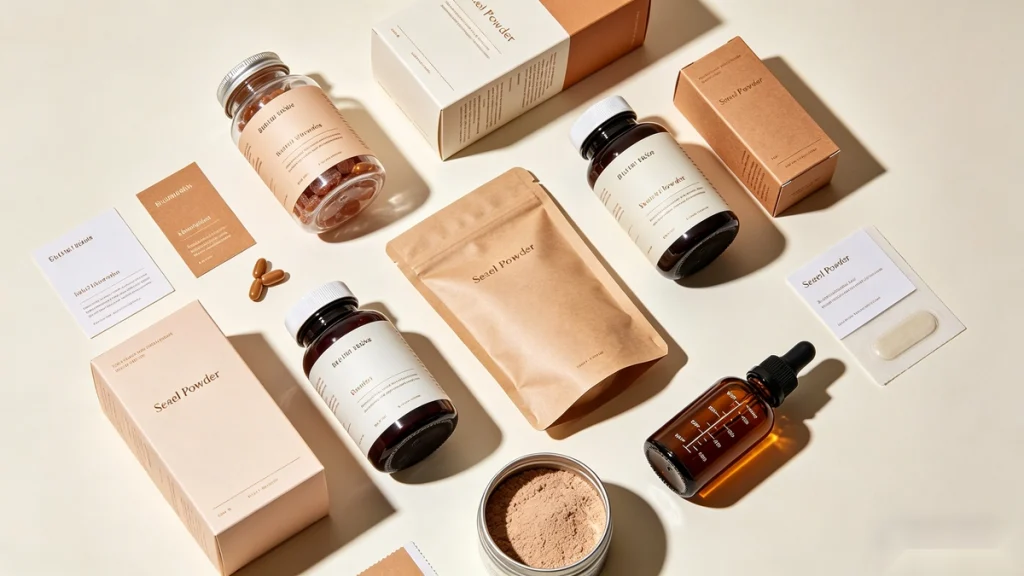
If you make Gummies:
Your biggest headaches are moisture, heat, and sticking. When gummies arrive as one solid mass, the cause is often a combination of formula moisture, desiccant weight, induction seal integrity, and bottle headspace. For mushroom formulas, these same packaging decisions can also affect how long mushroom gummies remain stable, especially during hot container shipping. That is why we review the formula and packaging together instead of treating the bottle as a separate decision.
If you make Capsules or Tablets:
Your concerns are breakage, moisture, and light sensitivity. HDPE bottles are the standard for a reason—they work with a desiccant. But if you’re running a high-potency active or selling into the pharmacy channel, we might push you toward blister packaging for supplements. Blisters (especially cold-form Alu/Alu) offer unit-dose protection that a plastic bottle simply can’t match.
A critical note on bottle sizing: Going from 30ct to 60ct or 90ct isn’t just a taller bottle. The diameter changes. When the diameter changes, the label curvature changes. That means the outer carton dimensions and the insert tray specs all change, too. It’s a domino effect.
If you make Softgels:
These are sensitive to temperature swings and rough handling. You need a wide-mouth jar or bottle, a solid inner seal, and often additional cushioning in the shipper. We build the package around the fragility of the shell.
If you make Powders:
This is really a channel question.
- E-commerce focused? Go with stick pack supplement packaging or supplement pouch packaging. They’re light, cheap to ship, and offer precise dosing.
- Retail shelf focused? Go with jar packaging for powders. It’s heavier, more substantial, and commands a higher perceived value.
We also look at powder flow. If it’s too free-flowing, it gums up the sealing jaws on a stick pack machine. Too sticky? It bridges in the hopper. We know these things because we run the machines.
If you make Liquids:
Leak prevention is everything. We weigh glass vs. PET based on the formula (is there an ingredient that adsorbs to plastic?) and the shipping distance. The closure and neck finish have to match our filling line perfectly, or you’ll have a mess on your hands.
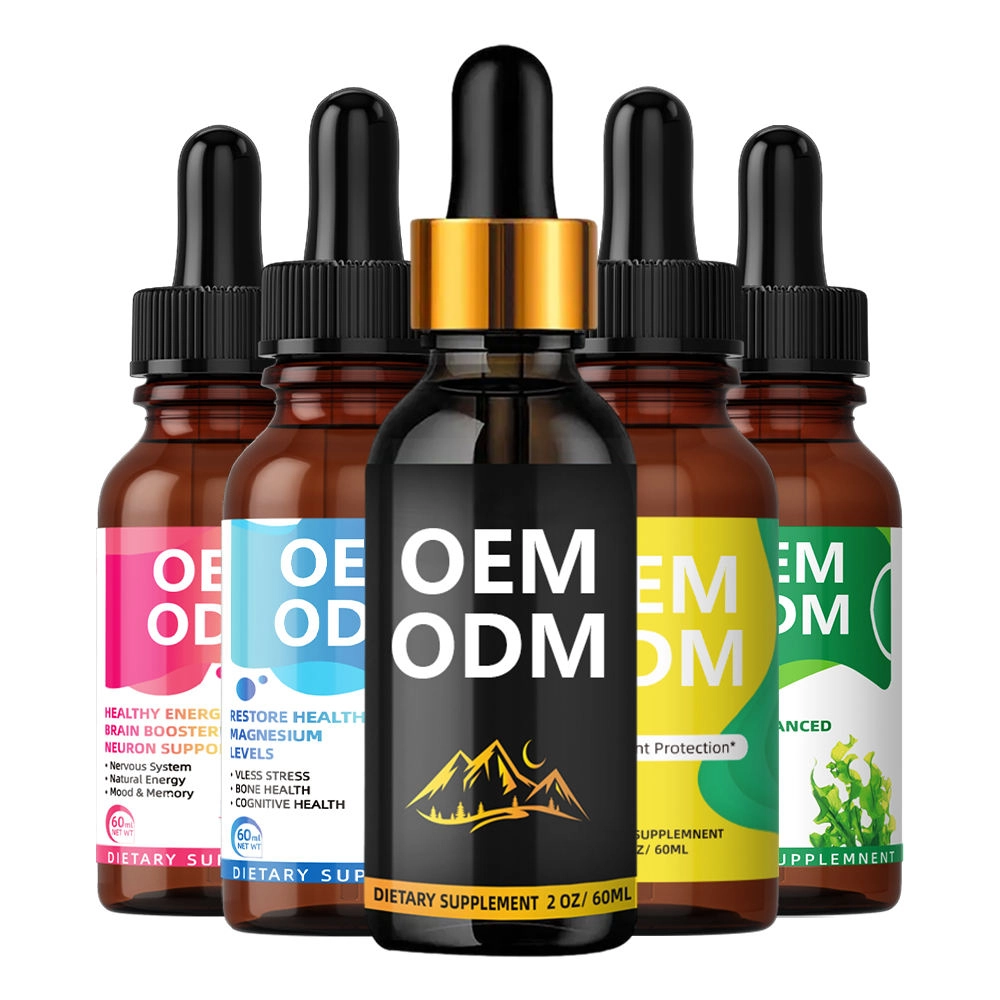
Question 3: Should I Use Stock Packaging or Pay for Custom Tooling?
Let’s clear this up before we talk pricing. Everyone wants a unique bottle, but not everyone is ready for the mold cost that comes with custom supplement packaging.
When to use Stock Components (Existing Inventory):
- You’re running a trial of 500–2,000 units.
- You need samples in 7–10 days.
- You want to avoid upfront tooling costs.
- You don’t have a patentable shape requirement.
Using our stock bottles and pouches isn’t a downgrade. These components are already vetted for supplement use—moisture barriers, label panel curvature, and cap torque specs are dialed in.
When to Invest in Custom Molds:
When your annual volume hits tens of thousands of units, or you need a proprietary feature (child-resistant cap, unique grip, anti-counterfeit structure), the mold cost becomes a smart investment.
The hard truth about mold costs: If you want a shape we don’t have on the shelf, there’s a mold fee. That fee goes to the tooling shop. We’ll quote it upfront so there are no surprises. And regarding MOQ for custom supplement packaging: Because we’re a manufacturer, we can often slot your smaller run in with our existing production schedule, keeping costs manageable even for lower quantities.
Question 4: I Have a Design File—Why Do You Keep Asking Me to Resize It?
This is the most common friction point in supplement packaging design.
If you have a Graphic Designer:
Great. You handle the creative. We handle production feasibility. We check:
- Dieline accuracy: Does the label fit the bottle’s curved surface without distorting the logo?
- Bleed and fold lines: Will the carton close properly?
- Color space: RGB files look different when printed in CMYK.
- Font size: Is it too small for the label machine to apply straight?
If you don’t have a Designer: We’ll send you the packaging dieline. This is the exact blueprint showing cut lines, fold lines, and bleed areas. Hand this to any freelancer, and they’ll know exactly where to put the logo.
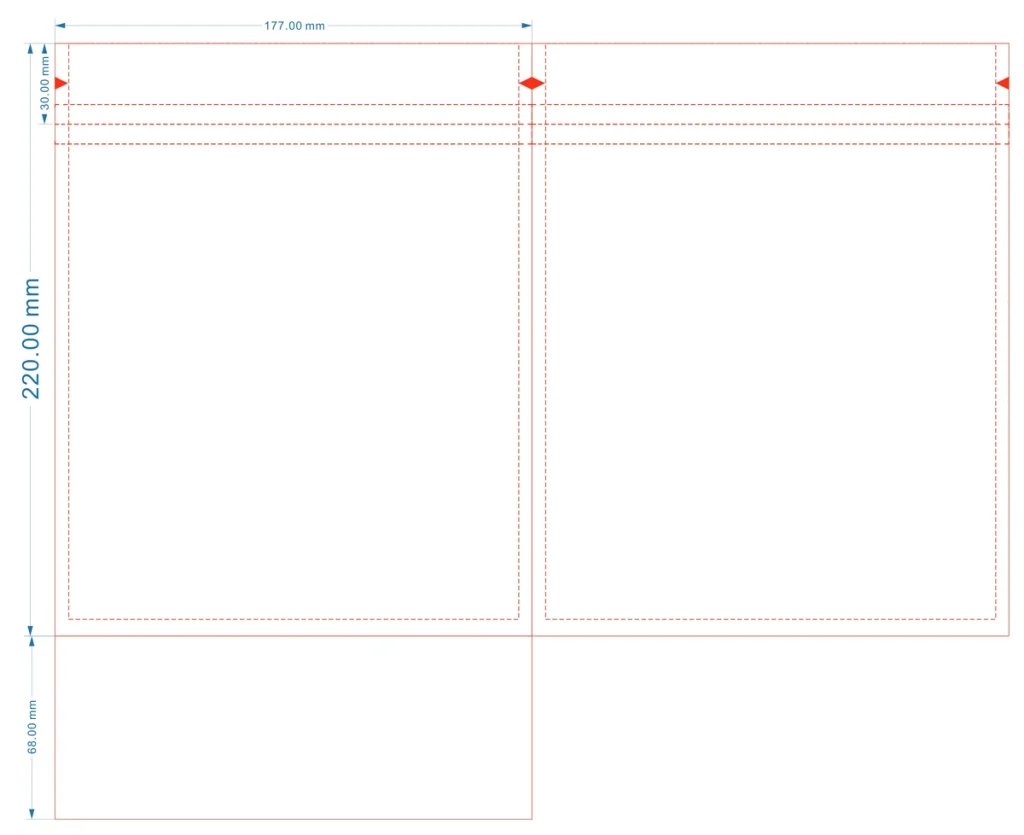
Example of a standard pouch dieline template showing cut lines, fold marks, and bleed areas.
Need the exact measurements for your designer? Grab the printable template below.
We can help with layout coordination, but the compliance of the copy (Supplement Facts accuracy) is the brand owner’s responsibility.
Why the Dieline is non-negotiable: It’s the blueprint. If the dieline is off by 1/16th of an inch, the label peels off the bottle or the carton flaps don’t meet. Our labeling machines and case packers don’t lie—they’ll reject bad artwork instantly.
Question 5: Why Do Label Compliance Issues Always Delay My Shipment?
If you sell in the U.S., this question is a ticking time bomb.
We don’t fear tight deadlines. We fear finding out after the bottles are filled that the FDA supplement label format is wrong. A font size of 5.5pt on the Supplement Facts panel or a missing domestic address means a full reprint. That’s a 3-week delay, minimum.
FDA guidelines for dietary supplement labeling require specific information on the Principal Display Panel (PDP) and Information Panel.
Before we go to print, we provide a format compliance review:
- Correct placement and font size for Supplement Facts.
- Proper rounding rules for nutrient values.
- Presence of the required “Supplement Facts” header.
- Correct address block for the manufacturer/packer/distributor.
Disclaimer: We check for format compliance to prevent a print reject. We do not claim to guarantee FDA approval of your claims. That’s your legal counsel’s job. We just make sure the printer doesn’t have to stop the press because the panel looks like a business card.
Question 6: What Do I Actually Save by Letting You Handle Filling and Packaging?
This is the bottom-line question.
The Hidden Costs of Splitting Vendors:
- Logistics limbo: Bottles arrive, but the filling line is down. You’re paying warehouse rent while you wait.
- Finger-pointing: The label peels off. Was it bad adhesive, a bad bottle surface, or a bad labeler? Three vendors, zero accountability.
- Freight damage: The bottle broke in transit. The bottle maker blames thin walls. The co-packer blames the corrugated shipper. You pay for the replacement.
The Value of Turnkey Supplement Packaging:
Because we manufacture and package under one roof, the plan is unified.
- Fit is guaranteed: The insert tray is designed for that specific bottle going on that specific filling line.
- One throat to choke: One project manager tracks the bottles, the labels, the filling schedule, and the truck.
- Lower damage rates: We build the master carton knowing exactly how the filled bottle will behave on a pallet during transit.
This is the real definition of a full-service supplement packaging manufacturer. You’re not buying components. You’re buying accountability.
Before You Request a Quote: The 6-Item Checklist
If you’re ready to reach out, here’s what we need to give you a real number instead of a ballpark guess:
- Dosage Form: Gummies / Capsules / Tablets / Softgels / Powder / Liquid?
- Fill Size: 30ct? 60ct? 90ct? Or net weight?
- Format Preference: Bottle, Pouch, Stick Pack, Jar, Blister?
- Label Style: Full wrap? Front/Back? Neck band?
- Volume: Pilot run quantity and annual forecast?
- Target Market: U.S. / EU / Domestic? (Determines compliance needs)
- Tooling Strategy: Stock packaging or custom mold?
Send us this info, and we’ll come back with a specific, actionable plan.
Conclusion
If all you want is the cheapest bottle on the market, we’re probably not a good fit.
But if you’re looking for a partner who understands what’s inside the bottle as well as what’s printed on the outside—and who knows how to get the whole pallet safely to the warehouse—then we should talk.
Because we’re a manufacturer first, we’re not just selling packaging. We’re solving the hardest part of the supplement launch: the messy middle between formula approval and finished goods. We take that walk so you don’t have to.
Frequently Asked Questions About Supplement Packaging
Q1: Do you only supply packaging materials, or do you handle the filling and labeling too?
We’re a full-service supplement packaging manufacturer. That means we handle everything from sourcing the bottle and printing the label to filling the product, applying the induction seal, capping, labeling, cartoning, and packing out the master shipper. You don’t need to coordinate three different vendors—we’re the single point of contact for turnkey supplement packaging.
Q2: I’m a new brand. Can I use your existing stock bottles and pouches to save money?
Absolutely. This is one of the most common paths for private label supplement packaging startups. We keep an inventory of standard bottle sizes, pouch formats, and jar styles that are pre-vetted for supplement use. Using existing stock components means no mold cost, faster sampling (usually 7-10 days), and lower MOQs—ideal for test batches of 500 to 2,000 units.
Q3: When is it actually worth paying for custom mold tooling?
Custom supplement packaging makes sense when you have a specific brand identity that requires a unique bottle shape or closure, or when your annual volume exceeds 10,000+ units. The mold cost is an upfront investment that amortizes over larger production runs. We’ll be upfront about any tooling fees associated with custom bottle packaging before you commit to the project.
Q4: I have a graphic designer. What do you need from us to print labels correctly?
Send us the artwork, and we’ll send back feedback based on production reality. The most important thing we provide is the dieline (the exact template showing cut and fold lines). We check your file against this dieline to ensure the label curvature matches the bottle surface and that the outer carton folds correctly. This prevents expensive reprints due to sizing errors in supplement label design.
Q5: What if I don’t have a designer? Can you help with the packaging artwork?
We can provide the dieline template and basic layout coordination to ensure your information fits the print space. However, the final responsibility for the copy compliance (especially the Supplement Facts panel details) rests with the brand owner. We make sure it prints correctly; you (or your regulatory consultant) make sure it reads correctly according to FDA guidelines.
Q6: What are the most common FDA labeling mistakes that cause delays?
The three biggest culprits we see in dietary supplement labeling are:
Supplement Facts Font Size: The title and key nutrients must be large enough to read easily.
Missing or Incorrect Address: The label must include the physical address of the manufacturer, packer, or distributor.
Principal Display Panel (PDP) Confusion: The Net Quantity of Contents must be on the front panel in the bottom 30%.
We flag these format issues during our supplement packaging compliance review to keep your project on schedule.
Q7: What is the typical lead time for custom supplement packaging?
Custom packaging lead time depends heavily on whether tooling is required. If you’re using stock packaging, production can begin as soon as labels are printed (approx. 2-3 weeks). If custom molds are involved, add 4-6 weeks for mold fabrication and sampling. The single biggest factor in delaying any project is usually the label artwork approval stage—getting that file print-ready is the fastest way to speed things up.
Q8:Do you have a Minimum Order Quantity (MOQ) for supplement packaging?
Because we are a manufacturer, not just a packaging broker, we have flexibility. For stock packaging and private label runs, we can accommodate smaller initial orders (often in the low thousands) to help you test the market. Custom packaging MOQ is higher due to the setup involved, but we’re happy to discuss options that fit your budget and growth stage.
Q9: What’s the difference between a stick pack, a pouch, and a jar for my powder supplement?
It depends on your channel and dose.
Stick Packs are best for single-serving convenience and e-commerce shipping (lightweight, low dimensional weight).
Pouches (Stand-up) are great for multi-serving powder supplement packaging where the consumer uses a scoop.
Jars/Canisters offer the best shelf presence for retail stores and bulk protein/collagen products. We help you decide based on whether you’re selling on Amazon or in a brick-and-mortar store.
Q10: What information should I have ready to get an accurate packaging quote?
To give you a precise supplement packaging quote, please have these details ready:
Dosage form (Gummy, Capsule, Powder, Liquid, etc.)
Fill count or net weight per unit
Preferred package type (Bottle, Pouch, Stick Pack, etc.)
Target market (U.S. / EU / Domestic)
Estimated first order quantity
Send us this information, and we can provide a detailed proposal rather than just a ballpark estimate.