If you are looking at iron gummies for women, you are probably not trying to study nutrition science. You just want to know whether they are worth taking, whether they contain enough iron, and whether gummies are easier to deal with than regular iron pills.
The short answer: gummies can be convenient, but the gummy format does not make an iron supplement stronger, safer, or automatically better. The real answer is on the label.
A good iron gummy should make the basics easy to understand: how much iron you get per serving, what form of iron is used, whether vitamin C is included, how much sugar is in the formula, and whether the product overlaps with a multivitamin or prenatal you already take.
Iron is useful when your body needs it. It is not a supplement to take casually just because the product tastes good.
The Quick Take: Gummies Are Convenient, Not Automatically Better
Iron gummies are mainly a convenience upgrade. They are chewable, usually fruit-flavored, and easier for many people to take than tablets, capsules, or liquid iron.
That matters. A supplement only helps if you can actually take it consistently.
But gummies also come with trade-offs. They may contain sugar, they may provide a lower iron dose than tablets, and they can look too much like candy. A gummy that tastes good can still contain a meaningful amount of iron.
So the first rule is simple: do not judge iron gummies by the front label. Judge them by the Supplement Facts panel.
The front label sells the product. The Supplement Facts panel tells you what you are actually taking.
Why Iron Matters More for Some Women
Iron helps the body make hemoglobin, the protein in red blood cells that carries oxygen. That is why iron comes up so often in conversations about women’s health, energy, pregnancy, and diet.
Some women pay closer attention to iron because of monthly blood loss from menstruation. Pregnancy also increases iron needs. Diet can matter too. Vegetarian and vegan diets rely more heavily on non-heme iron from plant foods, which the body absorbs differently than heme iron from animal foods.
That does not mean every woman needs an iron supplement. Many people get enough iron from food, especially if they regularly eat iron-rich foods such as meat, seafood, poultry, beans, lentils, tofu, spinach, fortified cereals, nuts, and seeds.
The problem is that low iron is not something you can confirm by guessing. Fatigue, dizziness, pale skin, or weakness can have many causes. If symptoms are persistent, lab work and professional advice matter more than picking a gummy from a shelf.
How Much Iron Do Women Usually Need?
This is where many shoppers get confused. A bottle might say 5 mg, 10 mg, 18 mg, or more. Without context, those numbers do not mean much.
According to the NIH Office of Dietary Supplements, common daily iron intake references are:
| Group | Recommended daily iron intake |
|---|---|
| Women 19–50 years | 18 mg |
| Pregnant women | 27 mg |
| Breastfeeding women 19–50 years | 9 mg |
| Women 51+ years | 8 mg |
| Adult upper limit | 45 mg |
These numbers include iron from food and supplements combined. They are not a personal prescription.
That distinction matters. If an iron gummy provides 18 mg per serving, that amount already matches the common daily reference for many adult women ages 19–50. If you also take a multivitamin with iron, you may be doubling up without noticing.
With iron, a bigger number on the label is not always a win.
Are Iron Gummies Strong Enough?
Some are. Some are not.
The format does not tell you the strength. The milligrams per serving do.
A gummy with 5 mg of iron is very different from one with 18 mg. A product that requires two gummies per serving is also different from one that provides the full amount in one gummy. This is why serving size is one of the first things to check.
Also look at the % Daily Value on the Supplement Facts panel. It gives you a quick sense of how much iron the product contributes compared with a general daily reference.
For everyday wellness positioning, some brands use moderate iron amounts. For people with diagnosed low iron or anemia, a doctor may recommend a different form or dose. In that case, taste should not be the deciding factor.
Gummies are useful when the main barrier is swallowing pills or staying consistent. They are not automatically the right answer for higher-dose iron needs.
How to Read an Iron Gummy Label
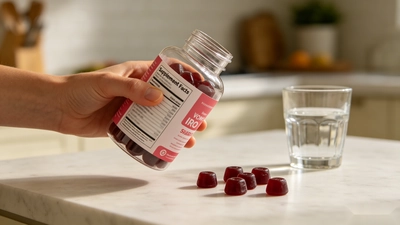
The label tells you more than any “women’s formula” claim on the front of the bottle. Here is what to check before buying.
Iron amount per serving
Look for the actual milligrams of iron. Do not just look for words like “high potency,” “gentle,” or “daily support.”
Serving size
One product may list one gummy as a serving. Another may require two gummies. That affects iron amount, sugar intake, and cost per serving.
Form of iron
Common forms include ferrous sulfate, ferrous fumarate, ferrous gluconate, and iron bisglycinate. Ferrous sulfate is widely used, but some people find it harder on the stomach. Ferrous fumarate is often used when a formula needs a higher elemental iron level. Ferrous gluconate is sometimes positioned as gentler, while iron bisglycinate is often marketed for tolerance.
The label should make both the iron form and the iron amount clear.
Vitamin C
Many iron gummies include vitamin C because vitamin C supports non-heme iron absorption. This is useful, especially for plant-based diets. But vitamin C does not make a product automatically better. The full formula still matters.
Sugar content
Gummies often contain sugar or sweeteners. If you take them daily, this is not a tiny detail. Check the grams of sugar per serving, not just the flavor.
Folate and B12
Some women’s formulas add folate, vitamin B12, or other daily wellness nutrients. That can make sense, but it also increases the chance of overlap with a multivitamin or prenatal.
Vegan, gelatin, halal, or kosher needs
Some gummies use pectin. Others use gelatin. If you avoid animal-derived ingredients or need halal or kosher suitability, check the gummy base.
Quality information
For supplement products, a Certificate of Analysis can help verify that a batch meets specifications such as active content, microbiology, and heavy metal limits. This matters even more for mineral supplements, where dosage accuracy and contaminant testing are important. Learn more about what a Certificate of Analysis means for supplement products.
Warning label
Iron products should be stored carefully, especially in homes with children. Flavored gummies can look like candy, and that is exactly why the warning section matters.
Iron Gummies vs Pills, Capsules, and Liquid Iron
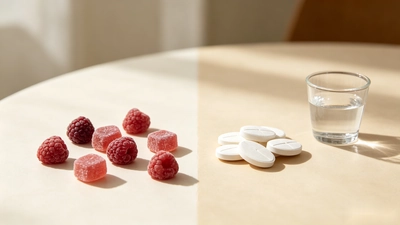
Iron gummies are not better in every situation. They are better for some routines.
| Form | What people like | What to watch |
|---|---|---|
| Iron gummies | Easy to chew, better taste, no swallowing pills | May contain sugar, may be lower dose, can look like candy |
| Iron tablets | Common, affordable, often higher-dose | Can be hard to swallow, may upset the stomach |
| Iron capsules | Simple, portable, less candy-like | Still not ideal for people who dislike pills |
| Liquid iron | Flexible serving size | Taste, staining, and measuring can be inconvenient |
If your main problem is forgetting tablets, gummies can help. If your main problem is a confirmed iron deficiency, the right dose and medical plan matter more than the format.
That is the cleanest way to compare them: gummies solve a convenience problem. They do not automatically solve an iron-status problem.
Side Effects and Safety Notes
Iron gummies may be easier to take, but they can still cause the same types of side effects people associate with iron supplements.
Possible side effects include constipation, nausea, stomach discomfort, diarrhea, dark stools, or a metallic aftertaste. Some people tolerate iron better with a small amount of food, even though iron is often absorbed better on an empty stomach.
Timing also matters. Calcium supplements, dairy, tea, coffee, and some medications can interfere with iron absorption. Vitamin C is often paired with iron because it can support non-heme iron absorption.
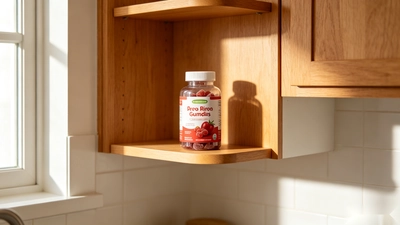
The other safety issue is storage. The FDA requires warning statements for certain iron-containing supplements because accidental overdose of iron-containing products can be dangerous for children under 6. Gummies should be kept out of reach, not left in a purse, desk drawer, bedside table, or kitchen counter.
Talk to a healthcare professional before taking iron gummies if you are pregnant, breastfeeding, trying to conceive, taking a prenatal vitamin, managing low iron, dealing with heavy menstrual bleeding, or already taking medication.
Common Mistakes When Choosing Iron Gummies
A lot of iron gummy mistakes happen before the bottle is even opened.
Mistake 1: Buying only because the label says “for women”
“For women” is a positioning phrase. It does not tell you whether the dose, iron form, sugar level, or added nutrients are right for you.
Mistake 2: Ignoring serving size
Two gummies per serving is not the same as one. Always check the serving size before comparing products.
Mistake 3: Thinking vitamin C makes the product automatically better
Vitamin C can be helpful, but it is not a free pass. A formula still needs a sensible iron amount and a clear label.
Mistake 4: Doubling up with a multivitamin or prenatal
This is easy to miss. If your daily multivitamin already contains iron, adding iron gummies may push your total intake higher than you realize.
Mistake 5: Treating gummies like candy
This is probably the biggest mistake. Iron gummies may taste sweet, but they are not snacks. Keep the bottle closed, follow the serving size, and store it away from children.
Mistake 6: Using gummies to self-treat symptoms
If you suspect anemia or have ongoing fatigue, dizziness, or shortness of breath, do not use a gummy supplement as your whole plan. Get proper guidance and testing.
Final Thoughts
Iron gummies for women can be a practical option if you need iron and want something easier to take than tablets, capsules, or liquid iron. They are especially appealing when taste, routine, or pill fatigue gets in the way.
But the gummy format is not the main thing. The label is.
Before buying a bottle, check the iron amount, serving size, iron form, sugar content, added vitamin C, other nutrients, warning label, and quality information. Also check whether you already take another supplement that contains iron.
For brands developing gummy supplement formulas, iron is one of those ingredients that needs extra care behind the scenes: taste masking, dosage consistency, stability, and compliant labeling all matter. For consumers, the decision is simpler: choose iron based on your actual needs, not just flavor.
This article is for general educational purposes only and is not a substitute for medical advice. If you are pregnant, managing low iron, taking medication, or unsure whether you need extra iron, speak with a qualified healthcare professional before using an iron supplement.
FAQs
Are iron gummies good for women?
They can be a good option for women who need iron and dislike tablets, capsules, or liquid iron. But they are not automatically better than pills, and not every woman needs extra iron.
How much iron should women take daily?
Many adult women ages 19–50 use 18 mg per day as a common intake reference, while pregnant women have higher needs. The right amount depends on age, diet, pregnancy status, menstrual status, and current supplement use.
Do iron gummies cause constipation?
They can. Gummies may taste better than tablets, but iron itself can still cause constipation, nausea, stomach discomfort, diarrhea, or dark stools in some people.
Are iron gummies better with vitamin C?
Vitamin C can support non-heme iron absorption, which is why many iron gummies include it. Still, you should check the full formula, not just the vitamin C claim.
Can pregnant women take iron gummies?
Pregnant women have higher iron needs, but they should not casually add a separate iron gummy if they already take a prenatal vitamin. It is better to follow guidance from a healthcare professional.