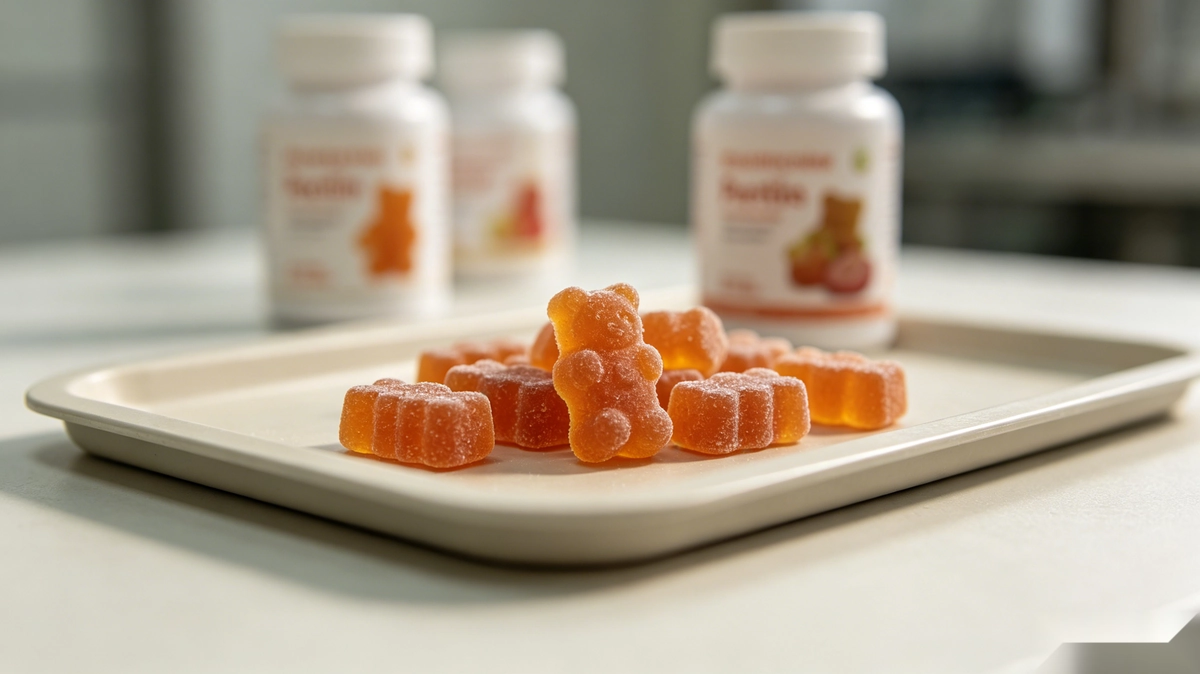
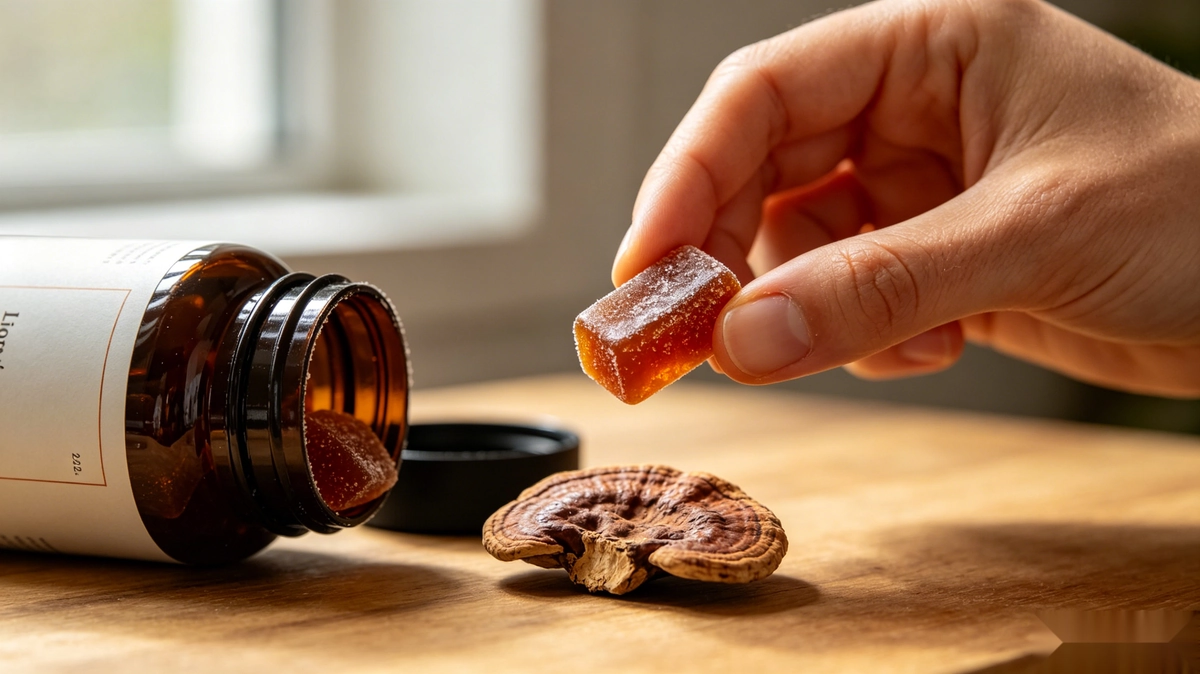
When brand owners come to us about a women’s probiotic supplement, the conversation almost always circles back to the same questions. Gummies or capsules? What CFU number can I actually put on the label? And those phrases about pH balance and feminine health—can I even say that?
A women’s probiotic supplement has more moving parts than it first appears. This isn’t a market trends report. It’s a collection of things we end up discussing with brands week after week—the stuff that’s easy to overlook and expensive to fix later.
Figure Out the Positioning First
It’s not that strains don’t matter. They do. But when a women’s probiotic supplement hits our desk, the first thing we try to pin down is what it actually wants to be. Daily digestive comfort? Feminine microbiome support? Or a general women’s wellness daily?

These three directions lead to different formulation decisions.
- Daily digestive comfort—keep the formula clean. Classic strains, minimal extras. The consumer just wants to feel less bloated and more regular.
- Feminine balance—cranberry is a common partner here. But adding cranberry means dealing with acidity, taste, and moisture sensitivity. And then there’s the label. What you can claim on a feminine product is trickier than a gut health product.
- General women’s daily—this often ends up in gummy format. The real work here is stability. Keeping probiotics alive in a gummy through shelf life is a whole different challenge.
Nail the positioning, and the rest flows. Skip this step, and you’ll keep changing directions halfway through.
Gummies or Capsules? Lock It in Early
Plenty of brands get stuck on this one. Our take is simple: neither is better. One is just a better fit for your brand.
If you’re leaning toward gummies
Gummies get great consumer acceptance. But on the production floor, you’re dealing with a water-based system that goes through heating. Probiotics don’t love heat. We typically work with more heat-tolerant strains, or we evaluate a post-addition process—mixing the probiotic powder in after the gummy mass cools.
We once had a cranberry gummy run where the acidity threw off the pectin set. Slower release from the molds, line speed dropped. These are the things you want to catch at lab scale, not during pilot.
We’ve done our share of women’s probiotic gummies where we went through four rounds of small-batch trials just to balance the cranberry tartness with the pectin system. When it comes to the manufacturing side—strain selection, process flow, stability verification—we’ve got a detailed walkthrough of probiotic gummies manufacturing that breaks the whole thing down.
If capsules make more sense
Capsules are friendlier to live probiotics. For a high-CFU formula with a clinical feel, I’ll usually suggest going this route. Gelatin or HPMC, that’s a cost and clean-label conversation.
If you end up going the capsule route, the precision involved in capsule supplement manufacturing—from fill weight control to environmental conditions on the line—can make or break a high-potency probiotic.
A quick way to think about it
- Young, lifestyle-driven brand, daily-use feel → gummies
- High CFU, professional or practitioner channel → capsules
- Not sure → run samples of both, check stability data, then decide
Strains, CFU, and Staying Alive on Shelf

“I want 50 billion”
That’s how a lot of conversations start. The question we ask back: do you want 50 billion at the time of manufacture, or 50 billion at the end of shelf life? The overage between those two points can be 30 to 50 percent. That math hits your unit cost directly. We always nail this down early.
For general background on strain selection and probiotic safety, the NIH probiotics fact sheet is a reference we point brands to—it covers strain-specific evidence and safety considerations without the marketing fluff.
Why probiotic gummies keep the R&D team up at night
It’s not that you can’t make them work. You can. But temperature, water activity, and acidic flavor systems all gang up on the bacteria. Spore-formers handle it better. Lactobacillus and Bifidobacterium need a lot more bench work. We run small-batch trials looking at everything—even the sweetener-to-acid ratio can shift CFU retention.
Stability data tells the truth
Accelerated stability can look great and I’ll still sleep better once 24-month real-time data is in. That’s just how it is when you’ve been doing this a while. You learn to leave some margin. Brands benefit from that caution.
Ingredients You’ll Often See Paired with Probiotics
- Cranberry—more hygroscopic than most people realize. Powder sachets especially need the right barrier packaging, or you’ll find clumps by month three.
- Prebiotics like inulin or FOS—easy to overdo in gummies. Too much and you get a chalky mouthfeel or hazy appearance.
- Vitamin C—adds acidity, shifts water activity in a gummy. The whole system needs rebalancing.
- Collagen or biotin—a “beauty plus gut” concept can work, but don’t let the formula get crowded. When everything is a hero ingredient, the product loses focus.
- Botanicals like hibiscus or elderberry—check the regulations in your target market early. We’ve seen brands finish formulation only to discover the ingredient isn’t cleared where they want to sell.
In gummy supplement manufacturing, when you add prebiotics or vitamin C into a gummy, water activity and release behavior both shift. We flag these interactions early so there aren’t surprises at pilot scale.
Formulas work better when every ingredient earns its place, both technically and commercially.
What You Can Say on the Label
This is where women’s probiotic projects hit the most expensive wall.
“pH balance,” “feminine health,” “vaginal support”—these phrases land differently depending on whether your market is the U.S., Europe, Southeast Asia, or the Middle East. With something like vaginal probiotic capsules, the label copy needs extra attention. A phrase that clears in one country can trigger a rejection in another.
For U.S. market projects, it’s worth reviewing the FDA structure/function claims guidance before green-lighting any label copy. The key distinction is between “supports” language and anything that sounds like a disease claim.
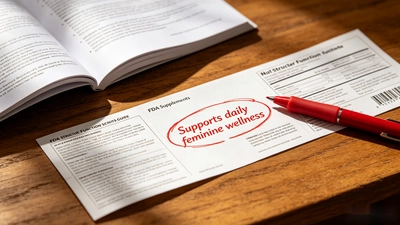
We’ve watched a brand print thousands of bottles only to have a distributor reject them over the claim wording. Now our habit is to flag this early: get your compliance team to review the label, the website copy, and the Supplement Facts panel together. Some safer phrasing directions:
- Supports daily feminine wellness
- Helps maintain digestive balance
- A daily probiotic for women’s wellness routines
This is shared experience, not legal advice. Every market needs its own compliance review.
Packaging Is Part of Your Stability Strategy
Plenty of brands finalize the formula first and think about the bottle later. That order is backwards.
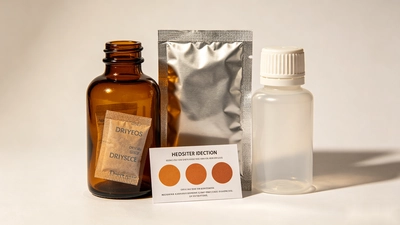
The moisture barrier of your packaging, whether you include a desiccant, the seal integrity—all of this directly affects how much that stability data actually means. Same probiotic capsule, stored in a standard HDPE bottle versus a PET bottle with desiccant, can show noticeably different CFU curves under accelerated conditions. Numbers you can calculate ahead of time.
Before You Request a Quote
If I were on the brand side reaching out to a manufacturer, here’s what I’d have ready:
- Target market(s)—U.S., EU, Southeast Asia, Middle East, each has different requirements
- Dosage form—gummies, capsules, powder sachets, liquid drops
- Formula direction—daily digestion, feminine microbiome, general women’s wellness
- Rough CFU target—a range is fine, we’ll refine it together
- Any companion ingredients you want included
- Packaging preferences
- Certifications needed—GMP, organic, halal, etc.
- MOQ and timeline expectations
The clearer this list, the faster you’ll get a realistic quote and a workable timeline.
Private Label or Custom Formulation? Don’t Overcomplicate It
- Need to test the market quickly → private label. Existing formulas, faster turnaround.
- Want something exclusive → custom formulation. Just build in time for bench work and stability—two or three rounds of iteration is normal.
Whether you go the private label or custom route, our private label and custom manufacturing services page lays out the full process so you know what to expect from start to finish.
If This Project Lands In Our Hands
The topics above are exactly what we work through with brands on a daily basis. Whether your idea is fully formed or still coming together, we’re happy to talk it through. Jiabei Health runs production lines for gummies, capsules, and powders. Formula discussion, sample development, stability testing, documentation, and export logistics—it’s all built in.
Questions We Get Asked
What is a women’s probiotic supplement for?
Daily digestion, feminine microbiome support, or general women’s wellness—it depends entirely on the formula direction.
Are gummies as good as capsules?
As a daily supplement format, they work. The real question is whether the strain selection, manufacturing process, and stability verification have been done right.
Can you combine probiotics and cranberry?
Yes. But flavor, color, stability, and claim compliance all need to be thought through together. It’s not a simple blend.
What CFU should I go with?
There’s no magic number. The CFU that holds steady at the end of shelf life is the one that counts. Work backwards from your dose form and shelf-life target.
How long does the whole process take?
Private label typically 4-8 weeks. Full custom formulation usually 8-16 weeks, depending on complexity and stability testing.
Can you do private label women’s probiotic gummies?
Yes. From formula discussion, sampling, and flavor confirmation through to packaging and export documents, we handle it.
A women’s probiotic supplement might look straightforward on a sales sheet, but the details connect in ways that aren’t obvious at first. If you’re exploring this direction, don’t wait until you have everything figured out. A conversation early on usually clears up more than weeks of research alone.