Indonesia’s halal requirements can quietly shape a supplement project long before anyone orders a single batch. For private label brands and importers, the real question isn’t whether a factory can show a halal certificate—it’s whether that certificate, along with the formula, raw material documents, capsule shell details, flavor system, COA, and export paperwork, can actually support the product’s intended route to market. This becomes especially practical when you’re dealing with gummies, capsules, softgels, powders, tablets, or liquid drops that are headed for Indonesia or similar halal-sensitive channels.
What Does Halal Certification Indonesia Mean for Supplement Buyers?
When a supplement brand starts looking at Indonesia, the conversation almost always opens with “Is your factory halal certified?” That’s a fair question, but for the Indonesian market, it’s also an incomplete one.
Indonesia runs its own halal product assurance system through BPJPH (Badan Penyelenggara Jaminan Produk Halal). A certificate issued in another country doesn’t automatically clear the path. Foreign certificates often need to go through a registration or recognition step under BPJPH, and the product category you claim on paper needs to match what’s actually being produced.

Beyond the paperwork, there’s a timeline that buyers should keep on their radar. Indonesia is moving toward mandatory halal certification on a phased schedule. For traditional medicines and food supplements, the enforcement date is set for October 17, 2026, as detailed in the government’s halal product assurance requirements. That gives brands a planning window, but it also means that formula reviews, supplier document collection, and registration steps can’t be crammed into the final months without real risk.
For a supplement OEM project, halal certification Indonesia isn’t a single checkmark. It’s a compliance review that pulls together the formula, the ingredient chain, the manufacturer’s certificate scope, and the local importer’s registration pathway. Miss one link, and you’re looking at delays that get more expensive the closer you are to a launch date.
BPJPH, Foreign Halal Certificates, and Supplement Projects
BPJPH is the authority that oversees halal product assurance in Indonesia—covering certification, foreign certificate registration, and supervision. For a supplement buyer working with an overseas factory, the practical takeaway is that an existing halal certificate might need to be registered or recognized through BPJPH before the product can enter Indonesia.
This is where the phrase “the factory has a halal certificate” starts to need more detail. You have to ask whether that certificate’s issuing body is accepted by BPJPH for the product category you’re dealing with, and whether the certificate scope actually names the dosage form you’re manufacturing. A certificate that says “food products” doesn’t automatically cover a softgel supplement.
The factory side also needs to step up. An OEM partner preparing a project for Indonesia should be ready to supply full ingredient documentation, formula breakdowns, COA for both raw materials and finished product, and production records that can feed into the buyer’s local registration file. Without those, the importer has nothing to submit, and the certificate alone won’t carry the project.
For a wider look at halal supplement manufacturing beyond just the Indonesian context, you can also read our halal supplement manufacturer guide for OEM and private label brands.
Why Supplements Need a More Careful Halal Review Than Standard Foods
Standard food products often revolve around a handful of bulk ingredients. Supplements sit in a trickier space, mixing active compounds, standardized extracts, excipients, capsule shells, flavor systems, and processing aids—many of which carry halal risks that never appear on the final label.
In our experience, the word “natural” doesn’t equal halal-compliant. A plant extract might have been processed with ethanol. A softgel’s glycerin might trace back to animal fat. A capsule shell might use gelatin from an undocumented source. None of this is visible on the finished product, but each piece will surface during a document review.
When we screen a formula for an Indonesia-bound project, these are some of the points we check—and the kind of supplier documentation that helps resolve them:
- Extraction solvents for botanicals—ethanol or isopropyl alcohol use needs a solvent declaration. If the supplier can’t confirm that the final extract meets halal solvent guidelines, we flag it for a possible substitute.
- Gelatin capsule shells—bovine or porcine? Even for bovine gelatin, a halal certificate from the capsule supplier and a source declaration are non-negotiable. When there’s any doubt, HPMC vegetable capsules are the cleaner path, and we can switch the shell early in development.
- Softgel gelatin and glycerin—the glycerin source is one of the most frequent trouble spots. If the softgel manufacturer cannot supply a plant-based glycerin certificate or a halal-compliant declaration, the entire softgel format may need to be re-evaluated.
- Animal-derived collagen—clearly not acceptable for halal markets unless it comes from a certified halal slaughter process with full documentation. Plant-based or synthetic alternatives are worth discussing at the formula stage.
- Flavor carriers—oil-soluble flavors sometimes use animal-derived carriers. Requesting a flavor house’s halal statement and carrier breakdown early avoids surprises after sampling.
- Colorants—carmine is insect-derived and typically avoided. Other colorants may use processing aids that require checking. A supplier specification sheet with origin notes usually answers this.
- Magnesium stearate—can be plant-derived or animal-derived. A plant-source declaration from the supplier, backed by a halal certificate if available, is standard practice to keep the option open.
- Probiotic culture media—some strains are grown on dairy media, others on animal-derived peptones. The probiotic supplier’s technical data sheet should clarify this.
- Enzymes—origin and processing aids matter. Asking for a declaration of microbial, plant, or animal origin is the first filter.
- Glazing oil for gummies—often overlooked, but it can pull a project out of compliance if the source isn’t documented. We typically request a halal certificate and an ingredient breakdown from the coating supplier.
The aim isn’t to make supplements sound risky. It’s to make the point that the real assurance work happens during the formula review, before production commitments are made.
Which Supplement Formats Have Higher Halal Risk?
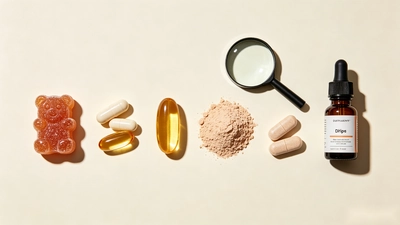
Different dosage forms concentrate the risk in different places. In practice, the formats that lean most heavily on hidden processing aids or encapsulation materials tend to need the closest document trail.
| Format | Main Halal Risk | What Buyers Should Check |
|---|---|---|
| Gummies | Gelatin, glazing oil, flavor carrier, colorants | Pectin base, halal flavor documents, coating source, supplier declarations. A pectin gummy removes the gelatin risk but the coating and flavor still need paper support. See our gummy supplement manufacturing page for base material options. |
| Capsules | Gelatin shell, HPMC shell, capsule colorants | Capsule shell material, shell supplier certificate, colorant documents. HPMC capsules are typically the more straightforward halal choice, but the certificate still needs to cover the actual capsule used. Visit our capsule supplement manufacturing overview for shell selection details. |
| Softgels | Gelatin, glycerin, fish oil source | Gelatin origin, glycerin source (plant vs. animal), oil specification, COA. If glycerin documentation is weak, the entire softgel format becomes a compliance question mark. |
| Powders | Protein source, enzymes, probiotics media, flavors | Ingredient origin, carrier, allergen statement, halal declaration. A protein powder that blends multiple sources needs a supplier document for each one. More on powder projects in our powder supplement manufacturing guide. |
| Tablets | Coating, lubricant, excipients, flavor | Magnesium stearate source, coating material, colorant source. Even the film coating can contain animal-derived stearates that need checking. |
| Liquid Drops | Ethanol, glycerin, botanical extraction solvent | Solvent declaration, preservative system, halal-compliant carrier. A “solvent-free” claim doesn’t automatically clear the path; the extraction method still needs documentation. |
Documents Buyers Should Request Before Production
If you’re a brand owner or procurement team building a supplement for Indonesia, there’s a set of documents that makes sense to gather before the first production run, not after. Reversing the order almost always creates a compliance scramble.

In our practice, the document pack we prepare for a client with Indonesia in the market plan typically includes:
- Halal certificate copy (factory-level)
- Certificate scope—confirm it mentions the right product category and dosage forms
- Factory name and address on the certificate, matching the actual production site
- Certificate validity date
- Formula sheet with an ingredient breakdown
- Ingredient specifications and halal declarations from each raw material supplier
- COA for raw materials and finished product
- Allergen statement
- GMO statement if the market requires one
- Raw material origin information
- Packaging artwork reviewed for halal claims
- Certificate of Free Sale
- Certificate of Origin
- Batch production records (for larger orders)
- Export document support
A supplement COA isn’t a substitute for a halal certificate, but it helps confirm batch quality, ingredient identity, microbiological results, heavy metals, and other specifications before shipment. When the importer puts together a dossier, having a clean COA that lines up with the formula sheet makes the whole submission smoother.
How to Verify a Halal Certificate Before Choosing a Supplier
We’ve seen too many cases where a certificate problem only surfaces after a purchase order is placed. A few early checks can prevent that:
- Check the issuing body. Is it recognized by BPJPH for your product category? The BPJPH halal certification page explains the local framework.
- Confirm the certificate belongs to the actual production site. If the address points to a trading office while production happens elsewhere, you have a documentation gap that BPJPH registration is unlikely to accept.
- Match the company name and factory address against what’s on the manufacturing contract and the finished product label.
- Verify the validity period. Beyond expiration, check if the certificate was issued under a transitional scheme that may carry limitations.
- Review the product category or production scope. “Food” doesn’t automatically equal dietary supplements, gummies, or softgels.
- Check that the scope explicitly mentions the dosage form you’re planning to produce.
- Ask for ingredient-level halal documents. A factory-level certificate isn’t enough when multiple high-risk raw materials are in the formula.
- Confirm whether the importer needs additional registration steps through BPJPH. This is where the foreign halal certificate registration pathway becomes relevant.
- Verify halal logo usage rights for your product’s packaging in the target market.
- Ask how the factory handles formula changes after the initial document review. Any uncommunicated change can invalidate earlier compliance work.
Common Red Flags in Indonesia Halal Certification Projects
Certain patterns tend to signal problems later. We’ve learned to recognize them early, and buyers benefit from doing the same:
- A supplier shows only a halal logo but won’t share the full certificate.
- The certificate address doesn’t match the actual production site.
- The certificate scope mentions “food” or “beverage” generically, while your product is a dietary supplement, softgel, or gummy.
- The formula uses gelatin with an unclear or undocumented source.
- The factory says “natural ingredients are halal” without any supplier declarations or COA to back it.
- Flavor, coating oil, capsule shell, or glycerin suppliers cannot produce their own halal documents.
- The supplier can’t provide a COA for raw materials or finished product.
- Packaging artwork already carries a halal logo or claim before the certification pathway is confirmed.
- The formula was changed post-review without notifying the client.
- The supplier promises Indonesia market access without discussing the importer route, product category registration, or BPJPH document requirements.
How Jiabei Health Reviews a Formula for Indonesia Halal Supplement Projects
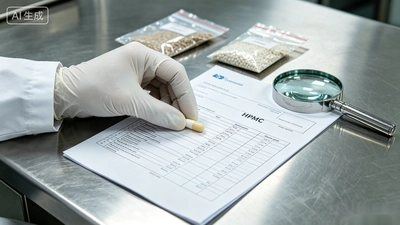
When a client brings us a supplement concept aimed at Indonesia, the review starts before any sample is made. Here’s the sequence we follow:
1. Formula screening
We go ingredient by ingredient, flagging anything that will need documentary support: gelatin source, glycerin, animal-derived ingredients, ethanol-based extracts, flavor carriers, colorants, capsule shell material, and coatings. If a red flag ingredient appears early, we discuss alternatives right then.
2. Dosage form review
Not every formula translates well into every format. We check whether the concept fits better as a gummy, capsule, powder, softgel, tablet, or liquid drop, balancing stability requirements against the halal documentation load each format demands.
3. Supplier document check
For each key ingredient, we verify whether the supplier can provide a COA, specification sheet, halal declaration, and origin information. If a gap comes up, the client knows before development money is spent, not after.
4. Sample development
Once ingredient documentation lines up, we produce lab samples, adjusting the base material, taste, texture, color, and processing method so the sample reflects what’s actually producible in a halal-compliant batch.
5. Production and batch documents
Ahead of mass production, we prepare COA, production specifications, export documents, and whatever extra support documents the buyer’s importer will need for local registration.
6. Packaging review
Before printing, we review the label, claims, halal references, and market wording. This step alone has saved clients from reprinting packaging that accidentally made a claim the documentation couldn’t support yet.
BPJPH vs KETETAPAN HALAL: What Buyers Should Know
BPJPH is the central halal product assurance body for certification, foreign certificate registration, and supervision. Separately, some buyers encounter a document called KETETAPAN HALAL in specific registration or compliance contexts.
These two are not interchangeable. A KETETAPAN HALAL serves a different role from a BPJPH certificate, and treating them as equals can cause confusion during the documentation phase. The practical habit remains the same: verify what the document covers, who issued it, which product or facility it applies to, and whether it fits your market route.
We’ve covered that document context in more detail in a separate article on KETETAPAN HALAL certification.
When Should a Supplement Brand Start the Halal Review?
The straightforward answer: before you lock the formula.
More specifically:
- Before sampling, if Indonesia or another halal-sensitive market is in the plan
- Before choosing gelatin, capsule shells, flavors, or coating materials
- Before printing packaging that includes any halal claim
- Before placing a large production order that assumes market readiness
- Before making halal commitments to distributors or retailers
Waiting until the product is fully developed and then checking whether it’s halal-compliant is the most expensive sequence. Reformulation after sampling—or worse, after production—can add weeks and unnecessary cost. The best moment to check the halal document chain is when the base materials are still open for discussion. Once the packaging is designed and the formula is frozen, changing direction becomes a much heavier lift.
Halal Certification Indonesia FAQ for Supplement Buyers
Do I need to halal-certify my supplement if I’m only exporting to Indonesia, not manufacturing there?
Yes, if your product falls under the categories that Indonesia mandates for halal certification. For food supplements and traditional medicines, the enforcement date is October 17, 2026. Even if your factory is overseas, the product still needs a halal certificate that BPJPH recognizes—either through direct certification or foreign certificate registration. Talk to your importer early about which pathway applies to your product category.
How do I check if my supplier’s halal certificate will actually work for Indonesia?
Start with the issuing body. Check whether BPJPH accepts certificates from that organization for your product type. Then look at the certificate scope: does it mention supplements, or just “food”? Does it name the dosage form you’re producing? Finally, confirm the factory address on the certificate matches the actual production site. A mismatch here can stop the registration process. For more detail, the BPJPH halal certification page shows what the local system expects.
Can I still sell supplements in Indonesia before the 2026 deadline without halal certification?
Possibly, depending on the product category and current transitional rules. But relying on the grace period is a narrow strategy. Once the October 2026 deadline hits, non-compliant products will face restrictions. If you’re developing a new supplement now, building halal compliance into the formula from day one avoids having to reformulate and re-register under time pressure later.
What makes a gummy supplement halal or not halal?
It comes down to the gelling agent, the coating, and the flavor system. A gummy made with bovine or porcine gelatin is the first thing to flag. Pectin-based gummies avoid the gelatin issue, but the glazing oil, flavor carriers, and colorants still need their own halal declarations. A fruit flavor and a bright color don’t tell you anything about the ingredient sources underneath.
How can I tell if a capsule supplement is halal?
Look at the shell first. HPMC vegetable capsules are generally the more straightforward halal route, as long as the capsule supplier provides a halal certificate. Gelatin capsules are workable too, but the gelatin source and slaughter method need to be documented—not just a blanket statement from the capsule manufacturer. If the supplier hesitates to share the gelatin origin, switch to HPMC or find another supplier.
What’s the risk with softgels and halal certification?
The risk is concentrated in two places: the gelatin and the glycerin. Both can come from animal sources, and glycerin in particular is often sourced without clear traceability. If your softgel manufacturer can’t produce a plant-based glycerin certificate and a halal gelatin declaration, the softgel format becomes difficult to justify. Some brands choose to pivot to a two-piece hard capsule or a liquid format just to remove this uncertainty.
What documents do I actually need from a supplement factory before production starts?
Ask for the halal certificate copy, certificate scope, ingredient specifications with halal declarations, COA for raw materials and finished product, the formula sheet, raw material origin records, Certificate of Free Sale, Certificate of Origin, and a packaging artwork review. The key document bundle is the ingredient-level halal declarations—without those, the factory-level certificate doesn’t carry the weight you need. A supplement COA adds another layer of batch-specific verification.
My factory says they’re halal-certified but won’t show me the full certificate. Is that a dealbreaker?
It’s a red flag, and a serious one. A halal logo on a website proves nothing. The full certificate shows the issuing body, the scope, the validity dates, and the production address. If a factory won’t share it, there’s usually a reason—either the certificate doesn’t cover what they claim, or the details don’t match the operation they’re proposing for your project.
Can Jiabei Health handle a halal supplement project that’s headed for Indonesia?
We can. The practical side includes formula screening for halal risk points, dosage form recommendations, ingredient document collection, sample development, private label packaging, COA preparation, and export document support. What we’ve learned from running these projects is that the document conversation works best when it starts before the formula is frozen—not after. That’s when you still have room to swap a problematic ingredient or adjust the dosage form without adding weeks to the timeline.