In today’s competitive nutraceutical industry, distributors face one major challenge: how to select products that not only meet consumer expectations but also comply with international regulatory requirements. Kosher certified supplements have quickly become one of the most trusted categories in global distribution channels.
Kosher certification, rooted in Jewish dietary laws, now extends far beyond religious boundaries. For distributors, the certification is not just about meeting the needs of Jewish consumers—it is about enhancing credibility, opening new markets, and establishing a stronger competitive edge.
This article explores in depth why distributors choose Kosher certified supplements, highlighting compliance, consumer trust, OEM/ODM opportunities, and long-term business value.
1. Understanding Kosher Certification in Supplements
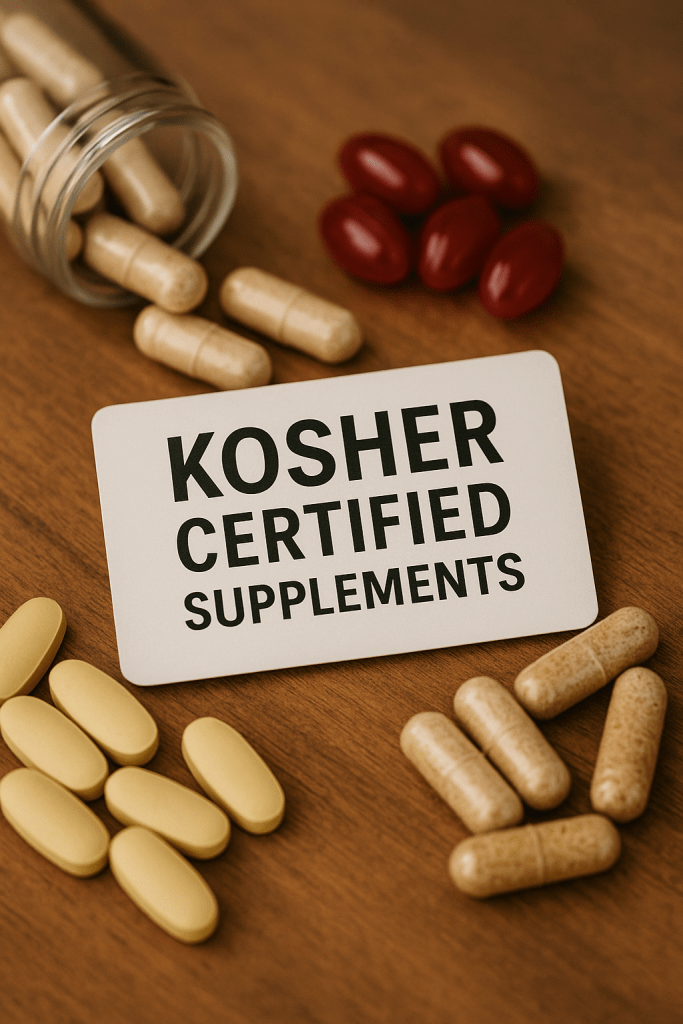
Before diving into the business side, it’s important to understand what Kosher certification in supplements actually means:
- Definition: Kosher certification is a process that verifies dietary supplements meet Jewish dietary law standards.
- Scope: It applies not only to raw materials but also to manufacturing processes, equipment, and handling methods.
- Global Recognition: Kosher certification is recognized in North America, Europe, the Middle East, and many parts of Asia.
- Common Labels: OU Kosher, Star-K, OK Kosher, KOF-K are some of the most trusted marks globally.
For distributors, these recognizable labels act as a seal of trust for end consumers.
2. Market Demand and Consumer Trust
Consumer behavior has shifted dramatically. Today’s buyers look for labels that represent transparency, purity, and ethical standards. Kosher certification ticks all of these boxes.
Why distributors prefer Kosher certified supplements:
- Trusted by consumers worldwide: Even non-Jewish customers often associate Kosher with “cleaner, safer, and higher quality” products.
- Growing health-conscious demographics: Millennials and Gen Z are driving demand for certified supplements, including Kosher, Halal, Non-GMO, and Organic.
- Expanding markets: From North America to Southeast Asia, Kosher-certified products see better shelf visibility and customer acceptance.
A distributor offering Kosher certified gummies, capsules, or powders is more likely to secure repeat orders compared to uncertified alternatives.
3. Compliance and International Market Access
For distributors, one of the biggest challenges is compliance with different regional regulations. Kosher certification helps reduce these hurdles:
- USA & Canada: Major retail chains often prefer or even require Kosher-certified products.
- Europe: Kosher supplements align well with EU food safety and consumer standards.
- Middle East: While Halal dominates, Kosher certification is respected and often recognized as a parallel compliance standard.
- Asia-Pacific: In countries like Singapore and South Korea, Kosher certification strengthens brand positioning among health-conscious consumers.
Kosher certification also complements other international certifications such as:
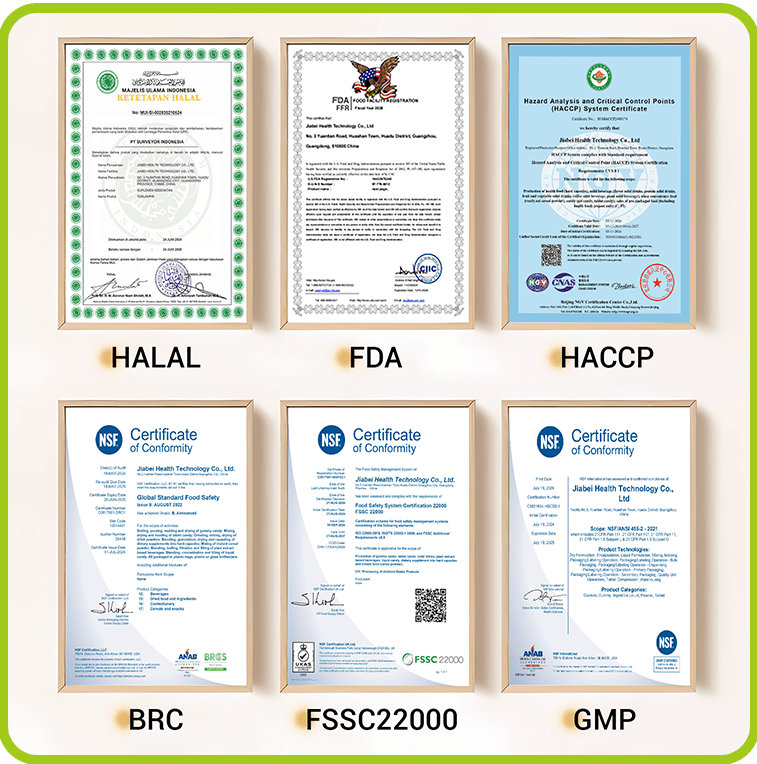
- GMP (Good Manufacturing Practice)
- FSSC 22000 (Food Safety)
- BRCGS (Global Food Safety Standard)
- Halal Certification (for Muslim-majority markets)
- HACCP (Hazard Analysis and Critical Control Points)
For distributors, this layered compliance framework simplifies cross-border trade and reduces the risk of shipment rejections.
4. Business Advantages for Distributors
Choosing Kosher certified supplements offers several strategic advantages:
- Enhanced credibility: Products with Kosher certification stand out as trustworthy and premium.
- Access to wider retail opportunities: From Amazon listings to supermarket chains, Kosher-labeled products are easier to place.
- Reduced legal risks: Certification ensures compliance and protects distributors from regulatory penalties.
- Higher margins: Consumers are willing to pay more for supplements with certifications.
Simply put: Kosher certification transforms supplements into a business-ready product for distributors.
5. High-Demand Product Categories with Kosher Certification
Certain supplement categories particularly benefit from Kosher certification. Distributors often prioritize:
- Gummies: Functional gummies (Vitamin D3, Mushroom Gummies, Collagen alternatives) with Kosher certification perform strongly in the market.
- Capsules: Herbal extracts, liver support capsules, and probiotic blends.
- Powders: Protein powders, superfood blends, and metabolic support products.
- Liquids: Drops and tinctures (e.g., Vitamin D3 drops, Mullein leaf extract, Graviola extract).
These dosage forms align with consumer convenience and compliance standards, making them highly attractive for B2B procurement.
6.Case in Point: Raspberry Magnesium Gummies with Kosher Certification
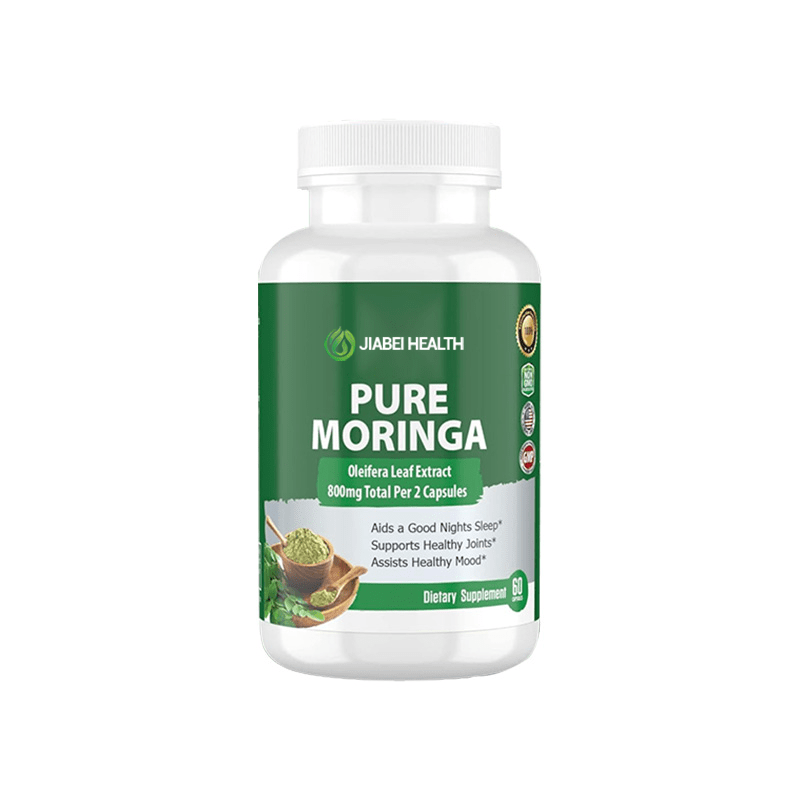
Among the high-demand Kosher certified supplement categories, gummies stand out for their consumer appeal. A practical example is the Raspberry Magnesium Gummies for Relaxation, Sleep & Focus.
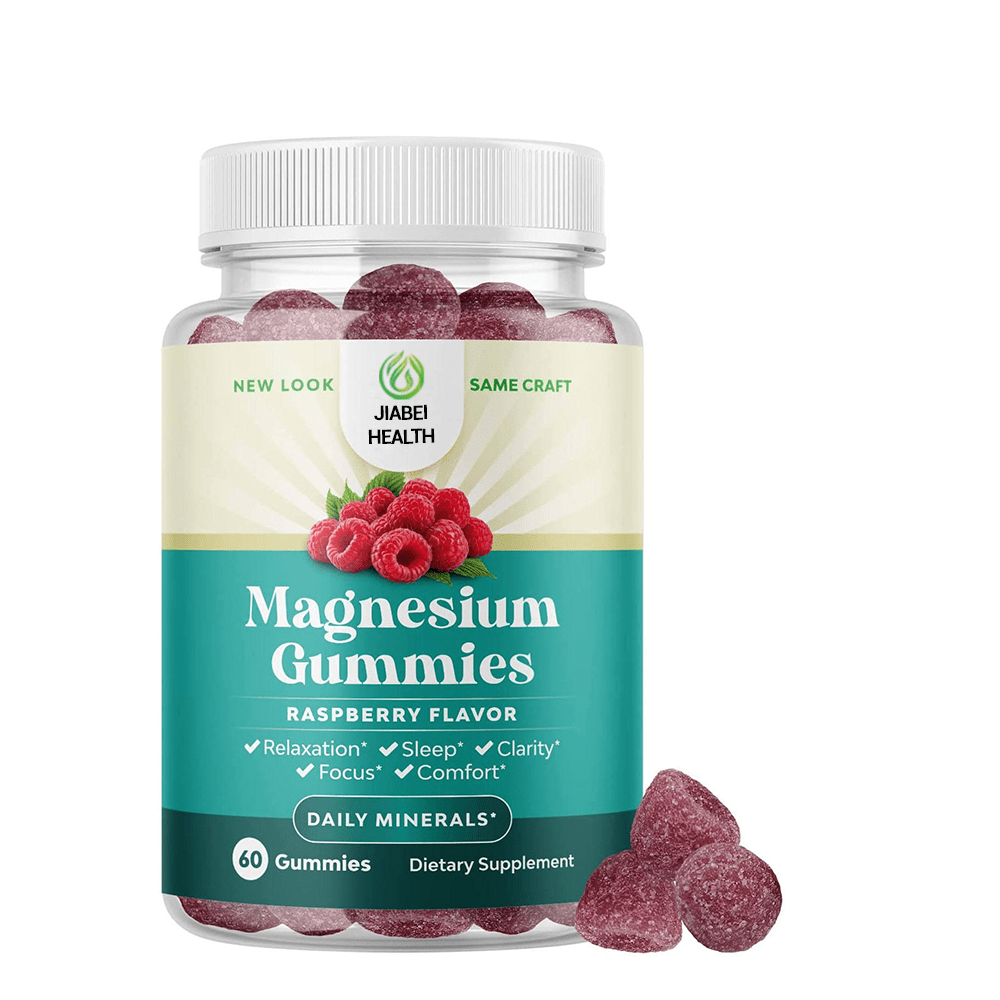
Magnesium is widely valued for its ability to support muscle relaxation, improve sleep quality, and enhance cognitive focus. By combining these benefits with a fruity raspberry flavor, this gummy format appeals to both wellness-conscious millennials and older consumers seeking gentle, effective sleep support.
For distributors, the Kosher certification of this product adds an extra layer of trust, ensuring broader retail acceptance in international markets, from North America to the Middle East.
| Feature | Kosher Certified Raspberry Magnesium Gummies | Regular Gummies Without Certification |
|---|---|---|
| Certification | Kosher certified, meeting global compliance | No certification, limited compliance |
| Consumer Trust | High trust, clean-label positioning | Lower trust, uncertain quality claims |
| Market Access | Accepted in USA, EU, and Middle Eastern retail | Restricted access in certain regions |
| Functionality | Supports relaxation, sleep, and focus | Limited functional claims |
| Private Label Potential | OEM & private label ready with Kosher badge | Less attractive for premium branding |
7. Case Study: Distributor Preference in Action
Consider a distributor targeting North America and the Middle East:
- Without Kosher certification: Limited access to supermarkets, online restrictions, reduced trust.
- With Kosher certification: Products gain entry to specialty stores, secure a broader retail footprint, and strengthen competitive positioning.
This demonstrates why distributors increasingly prefer to source from Kosher certified OEM/ODM supplement manufacturers.
8. OEM/ODM and Private Label Opportunities
Distributors often seek more than ready-made supplements—they want private label and OEM/ODM solutions. Kosher certification makes this process smoother:
- Custom branding: Distributors can launch their own label with Kosher certification displayed prominently.
- Packaging support: Manufacturers provide compliant labels that meet Kosher and international standards.
- Fast turnaround: Standard orders delivered in 15 days, with emergency orders available faster.
- Global logistics: Certificates (FDA registration number, Certificate of Origin, Free Sales Certificate) are included with Kosher compliance.
This combination allows distributors to scale quickly and differentiate their portfolio.
9. Key Considerations for Distributors
When sourcing Kosher certified supplements, distributors should evaluate:
- Certification authenticity: Request valid Kosher certificates and verify their issuing body.
- Factory compliance: Look for GMP, BRC, HACCP, FSSC 22000 certifications in addition to Kosher.
- Batch-level documentation: Ensure every batch includes a Certificate of Analysis (COA).
- Flexible logistics: OEM manufacturers who offer DDP global shipping simplify distribution.
By partnering with a reliable Kosher-certified OEM supplement manufacturer, distributors minimize risks and maximize ROI.
10. Future Outlook for Kosher Certified Supplements
The future looks bright for Kosher certified supplements. Several trends reinforce their importance:
- Clean label demand: Consumers increasingly seek transparent and ethically certified products.
- Plant-based movement: Many Kosher-certified supplements align with vegan and vegetarian lifestyles.
- Cross-certification: Supplements carrying both Kosher and Halal appeal to wider global markets.
- E-commerce growth: Online platforms favor certified products due to consumer trust.
For distributors, investing in Kosher certified supplements is not just a compliance decision—it’s a growth strategy.
Conclusion
Distributors choose Kosher certified supplements because they deliver:
- Consumer trust through recognized, ethical certification.
- Compliance and market access across multiple regions.
- OEM/ODM private label opportunities with reliable documentation and logistics.
In an increasingly competitive nutraceutical market, Kosher certification has evolved from a religious requirement into a global business advantage. For distributors, it is the key to building credibility, expanding reach, and driving long-term success.
Kosher certification supports specific market and distributor requirements but functions as part of a broader compliance structure rather than a standalone quality system. To understand how Kosher fits alongside other certifications, see our supplement manufacturer certifications overview.
FAQ – Kosher Certified Supplements
Q1: What does Kosher certification mean for dietary supplements?
Kosher certification ensures that supplements meet Jewish dietary law standards. It covers ingredients, manufacturing processes, and handling, signaling purity and quality.
Q2: Why is Kosher certification important for distributors?
It builds consumer trust, provides access to international markets, and helps distributors place products in major retail and e-commerce channels.
Q3:Can a supplement be both Halal and Kosher certified?
Yes. Many supplements carry dual certifications, allowing distributors to reach both Jewish and Muslim consumers with one product line.
Q4:How can distributors verify Kosher certification?
Distributors should ask for valid Kosher certificates, confirm the issuing body, and check that the certification is up to date with annual renewals.
Q5: Which supplement categories benefit most from Kosher certification?
Gummies, capsules, powders, and liquid extracts see the strongest demand. These formats with Kosher certification gain wider retail acceptance and higher consumer trust.