If you’ve ever searched for a chlorophyll supplement for body odor, chances are you’ve already tried the basics.
Regular showers. Strong deodorants. Careful hygiene.
Yet the odor keeps coming back.
For many people, the frustration isn’t about cleanliness — it’s about the feeling that the smell is coming from inside the body, not just from sweat on the skin. That’s why chlorophyll is often described online as an internal deodorant supplement.

But does chlorophyll actually help with body odor, or is it only useful in very specific situations?
To answer that properly, the first step is understanding what kind of body odor you’re dealing with.
Body Odor Is Not One Problem: Identify Your Odor Type First
Not all body odor has the same cause, and that matters.
Chlorophyll is only relevant to certain types of odor, not all of them.
Body Odor Types and Relevance to Chlorophyll
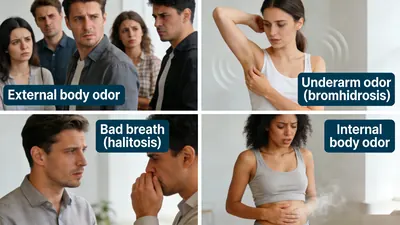
| Odor Type | Primary Source | Typical Characteristics | Is Chlorophyll Relevant? |
|---|---|---|---|
| External body odor | Sweat + skin bacteria | Improves after showering, worsens with heat | Unlikely |
| Underarm odor (bromhidrosis) | Apocrine sweat glands | Localized, often genetic | Not a primary approach |
| Bad breath (halitosis) | Oral cavity / upper GI | Tongue coating, dental issues | Only indirectly |
| Internal body odor | Metabolism & digestion | “From inside,” food-related | Primary focus |
This article focuses on internal body odor, which is why people often search phrases like:
- body odor coming from inside
- persistent body odor even after shower
- chlorophyll for internal body odor
If your concern fits this pattern, chlorophyll may be worth understanding further.
Where Internal Body Odor Comes From
Internal body odor isn’t a diagnosis — it’s a pattern.
It usually involves one or more of the following processes happening inside the body.
1. Odor-Causing Metabolic Byproducts
Some of the strongest human odors are caused by sulfur-containing compounds produced during normal metabolism, and volatile sulfur compounds are known contributors to body odor.These compounds can circulate and exit the body through breath or perspiration, creating a smell that deodorants alone can’t fully mask.
This is one reason people often ask:
“Why do I smell even with deodorant?”
2. Food-Related Odor Precursors
Certain foods and dietary patterns are more likely to generate odor-related compounds during breakdown. When odor intensity clearly changes after meals, it suggests the issue may be internal rather than surface-level.
3. Accumulation Over Time
When odor-related byproducts linger longer in the body, their effects can become more noticeable. This helps explain why internal body odor often feels persistent rather than situational.
Why Chlorophyll Is Often Called an “Internal Deodorant”
What Chlorophyll Is and Where It Comes From
Chlorophyll is a naturally occurring pigment found in green plants and is essential for photosynthesis. It exists widely in nature — in leafy greens such as alfalfa, parsley, and spinach.

In supplements, chlorophyll is not consumed as whole plants. In commercial supplements, chlorophyll is typically extracted from plant sources such as alfalfa or other leafy greens, then stabilized to ensure consistent dosage and shelf stability.It is extracted and processed into forms suitable for digestion. Two forms are commonly discussed:
- Chlorophyll (natural form)
- Chlorophyllin (a more stable derivative often used in supplements)
Chlorophyll has long been discussed as an “internal deodorant,” and its derivative chlorophyllin has been studied for its deodorizing properties in clinical and laboratory settings.
Molecular-Level Mechanisms Being Discussed
Chlorophyll is linked to odor control due to several proposed mechanisms, often discussed in research and reviews:
- Interaction with odor-related compounds
Its large ring-shaped molecular structure may allow interaction with certain odor precursors during digestion. - Metal-centered binding potential
Magnesium (in chlorophyll) or copper (in chlorophyllin) may interact with sulfur- or nitrogen-containing molecules that contribute to odor. - Digestive-stage relevance
These interactions, if they occur, are thought to happen before odor compounds enter circulation — not at the sweat gland level.
This distinction matters.
It explains why chlorophyll is more often associated with internal body odor, not classic underarm odor.
Different Chlorophyll Supplement Forms and How They Compare
Choosing a chlorophyll supplement isn’t just about strength.
It’s about how the form fits daily use, which affects consistency and results.
Chlorophyll Supplement Forms Compared

| Form | Primary Interaction Stage | User Experience | Common Use Case |
|---|---|---|---|
| Liquid chlorophyll | Early digestive phase | Strong taste, flexible dosing | Short-term trials |
| Capsules / tablets | Later digestive phase | Neutral taste, routine-friendly | Structured daily use |
| Chlorophyll gummies | Habit & compliance level | Palatable, easy to maintain | Long-term observation |
This is why searches such as liquid chlorophyll for body odor and chlorophyll gummies for body odor often reflect different user needs. Some people prefer a more palatable format for long-term consistency.
For issues that require time to evaluate, consistency often matters more than dosage intensity.
Who May Want to Try Chlorophyll — and Who Probably Doesn’t Need It
More Likely to Consider Chlorophyll
- Body odor that doesn’t go away after showering
- Odor that changes with diet or daily habits
- A “systemic” smell rather than one specific area
- Interest in internal deodorant supplements
Less Likely to Benefit
- Strong genetic underarm odor
- Odor clearly linked to oral hygiene alone
- Temporary sweat-related odor from activity
This distinction helps set realistic expectations and avoids unnecessary frustration.
What to Expect (and What Not to Expect)
Chlorophyll supplements are not medications.
- They do not work instantly
- Results, if any, tend to appear gradually
- Individual responses vary widely
- They are not substitutes for medical care
Many people exploring does chlorophyll help body odor are really looking for clarity, not guarantees — and that’s the right mindset.
Frequently Asked Questions
Does chlorophyll really reduce body odor?
Some people report improvement when odor appears internal. Evidence is limited and not universal.
How long does chlorophyll take to work for body odor?
If changes occur, they are usually noticed over weeks rather than days.
Is chlorophyll safe to take daily?
Most supplements are intended for daily use, but individual tolerance varies.
What is the best chlorophyll supplement for body odor?
There is no single “best” option. Form, tolerance, and consistency matter more than labels.
Final Thoughts
Body odor is not always about hygiene — and it’s rarely a simple issue.
Chlorophyll supplements are not a cure, but for people dealing with internal body odor, they are sometimes explored as a supportive option rather than a masking solution.
The most important step is understanding why the odor may be happening, and whether chlorophyll fits that specific situation.