Yerba mate is widely used as a natural caffeine ingredient in both traditional beverages and modern nutraceutical products. As demand grows for plant-based energy ingredients, many supplement brands are evaluating yerba mate caffeine as an alternative to synthetic caffeine or coffee-derived stimulants.
Unlike isolated caffeine powders, yerba mate contains a broader range of plant compounds including polyphenols and other xanthines. These compounds influence how the stimulant effect is perceived, which is why yerba mate is often described as producing smoother and more sustained energy compared with standard caffeine sources.
For companies developing functional beverages or energy supplements, understanding the caffeine profile of yerba mate is an important step when designing balanced formulations and determining appropriate serving sizes. Many brands developing botanical energy formulas work with a professional supplement OEM manufacturer to evaluate ingredient compatibility, caffeine levels, and production scalability.
At the same time, sourcing consistency and bulk supply planning are also critical factors, especially for brands preparing for large-scale production.
Does Yerba Mate Contain Caffeine?
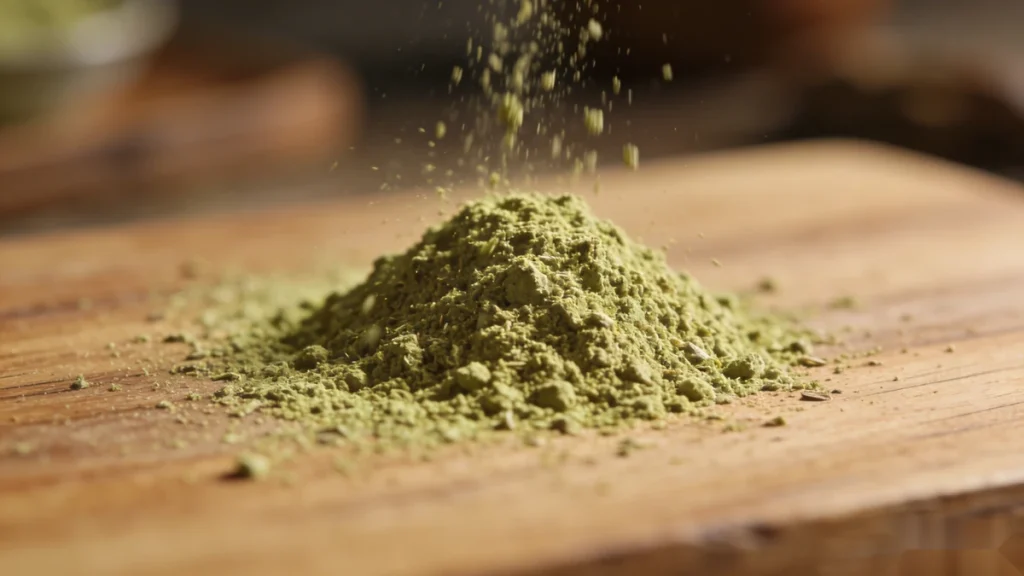
Yes. Yerba mate naturally contains caffeine derived from the leaves of Ilex paraguariensis, a plant native to South America. Traditionally, the dried leaves are brewed into a beverage, but in the nutraceutical industry the ingredient is commonly processed into powders or extracts.
Caffeine content in yerba mate can vary depending on several factors:
- plant origin and growing conditions
- harvesting season
- drying and processing method
- extraction concentration
In general, yerba mate provides a moderate caffeine level compared with other common natural stimulants. This balanced caffeine profile is one reason the ingredient is widely used in functional beverage powders and botanical energy supplements.
How Much Caffeine Is in Yerba Mate?
The caffeine content of yerba mate depends on the form of the ingredient and the preparation method. However, typical values fall within a consistent range that product developers can use when designing formulations.
| Ingredient | Typical Caffeine Content | Characteristics |
|---|---|---|
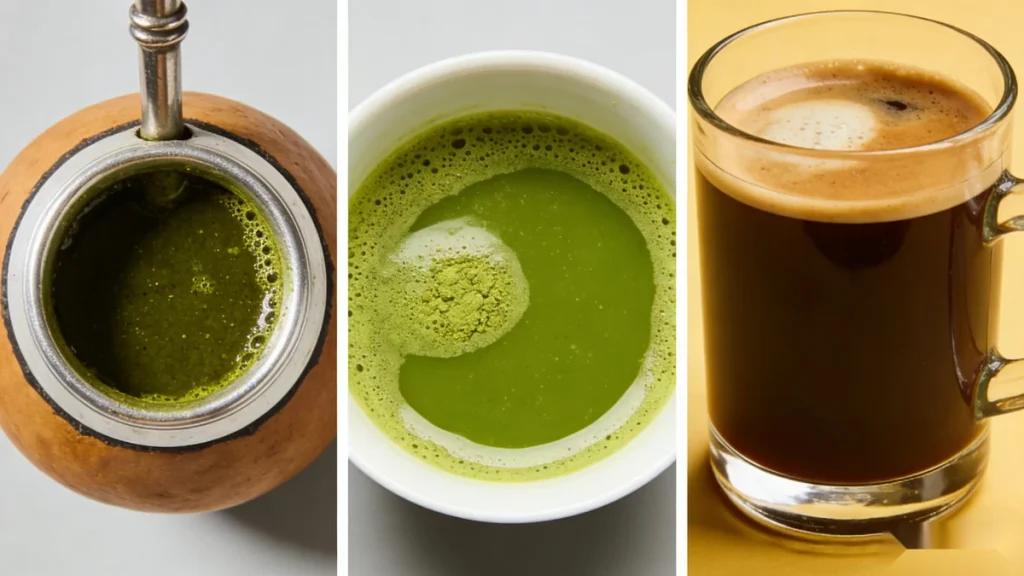
| Yerba Mate | 70–90 mg per serving | Smooth and sustained stimulation |
| Matcha | 40–70 mg per serving | Balanced energy due to L-theanine |
| Coffee | 90–120 mg per serving | Fast and strong stimulation |
From a formulation perspective, yerba mate sits between matcha and coffee in terms of caffeine intensity. It delivers noticeable stimulation while avoiding the stronger spike associated with high-dose coffee caffeine.
For product developers, it is often helpful to compare yerba mate with other natural caffeine sources when deciding positioning, flavor profile, and target consumer experience.
Yerba Mate Caffeine vs Coffee
Coffee is generally the strongest of the three ingredients in terms of caffeine concentration. However, the experience of stimulation can differ significantly.
Coffee tends to deliver a rapid caffeine spike, which can lead to quick energy onset followed by a faster decline in some consumers. Yerba mate is often reported to produce a steadier energy profile, which many formulators attribute to the combination of caffeine with other naturally occurring compounds in the plant.
Because of this characteristic, yerba mate is frequently used in products designed for:
- sustained energy support
- functional beverage powders
- daily productivity supplements
This makes it particularly useful in formulations targeting long-lasting energy rather than short bursts of stimulation.
Yerba Mate Caffeine vs Matcha
Matcha contains slightly less caffeine than yerba mate but is well known for its L-theanine content. L-theanine is an amino acid associated with calm focus and reduced jitteriness.
In supplement and beverage formulations, the two ingredients are often positioned differently.
Matcha is commonly used in antioxidant beverages and focus-oriented supplements.
Yerba mate, on the other hand, is more frequently used in energy drink powders and stimulant-based functional beverages due to its higher caffeine content.
Some modern formulations combine both ingredients to create balanced energy profiles that support both alertness and mental clarity.
Why Yerba Mate Is Popular in Energy Supplements
In the nutraceutical industry, yerba mate has become a versatile botanical caffeine ingredient used across multiple product categories.
Common applications include:
- energy drink powders
- capsule supplements
- adaptogenic beverage blends
- cognitive performance formulas
One of the main reasons for its popularity is formulation compatibility. Yerba mate blends well with other functional ingredients such as:
- mushroom extracts
- adaptogens
- amino acids like L-theanine
- prebiotic fibers
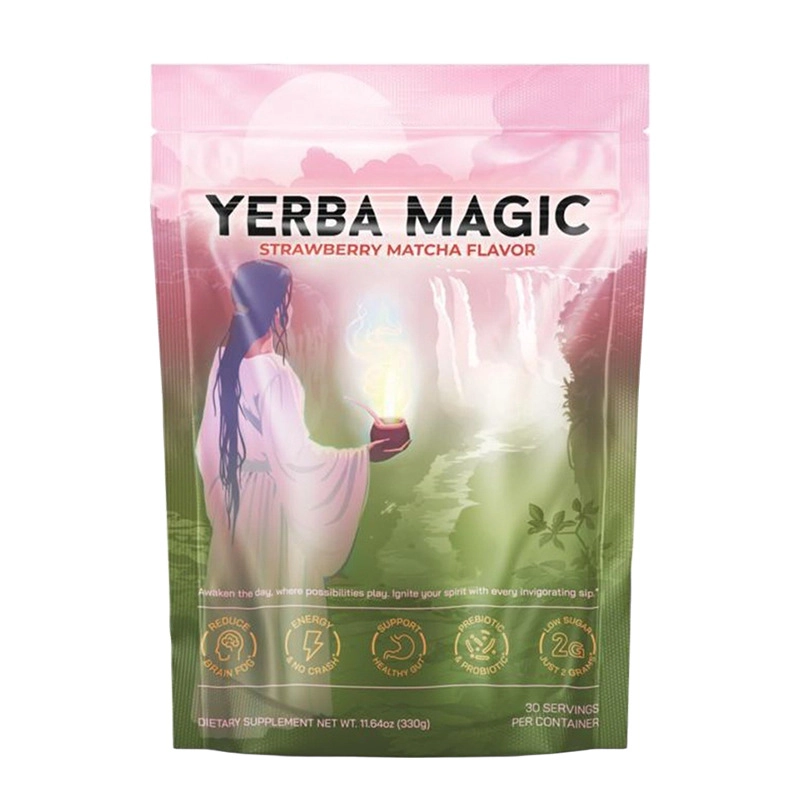
For example, formulations such as yerba mate mushroom energy drink powders combine botanical caffeine sources with ingredients like lion’s mane mushroom, probiotics, and L-theanine to create balanced energy supplements designed for modern wellness markets.
Ingredient Quality and Manufacturing Considerations
When botanical caffeine ingredients are used in nutraceutical products, manufacturers typically evaluate several quality parameters before selecting suppliers.
These include:
- raw material origin and traceability
- caffeine standardization levels
- microbial testing
- heavy metal analysis
Batch-level testing is essential to maintain consistent caffeine content across production runs. Buyers and supplement brands often review supplement manufacturer certifications to ensure production facilities meet international safety and quality standards.
For reference, regulatory authorities such as the U.S. Food and Drug Administration provide guidance on caffeine use in food and beverage products, including considerations related to safe consumption levels.
Conclusion
Yerba mate caffeine offers a balanced alternative among natural stimulant ingredients. Compared with coffee, it typically delivers smoother stimulation, while providing higher caffeine levels than matcha.
For supplement brands and functional beverage developers, this combination of moderate caffeine strength and formulation flexibility makes yerba mate a practical ingredient for energy drink powders, capsules, and botanical energy blends.
Understanding the caffeine profile of yerba mate allows product developers to design formulations that deliver consistent energy while maintaining a clean-label positioning.
FAQ
Does yerba mate have caffeine?
Yes. Yerba mate naturally contains caffeine derived from the leaves of the Ilex paraguariensis plant.
How much caffeine is in yerba mate?
A typical serving of yerba mate contains approximately 70–90 mg of caffeine, although exact levels vary depending on preparation method and ingredient concentration.
Is yerba mate stronger than coffee?
Coffee usually contains more caffeine than yerba mate, but many people experience yerba mate as providing smoother and longer-lasting energy.
Why is yerba mate used in energy supplements?
Yerba mate provides natural caffeine and blends well with other nutraceutical ingredients such as adaptogens, mushroom extracts, and amino acids. This makes it suitable for energy drink powders and functional beverage formulations.