A lot of gummy products look good at first glance. The colors are bright, the shapes are clean, and the sample tastes pleasant enough on the first bite. But brand owners usually learn the real difference later.
A good-looking gummy is not always a good manufacturing project.
What matters in the long run is whether a factory can turn an idea into a product that stays consistent from batch to batch, holds its shape in real production, keeps a pleasant texture after packaging, and still performs well once it leaves the facility. That is where choosing the right vitamin gummy manufacturer becomes much more important than simply comparing prices or reacting to a sample.
If you are building a new gummy line or expanding an existing one, it helps to look beyond sales language and ask a more practical question: what actually makes a gummy manufacturer reliable?
A quick look at real vitamin gummy production
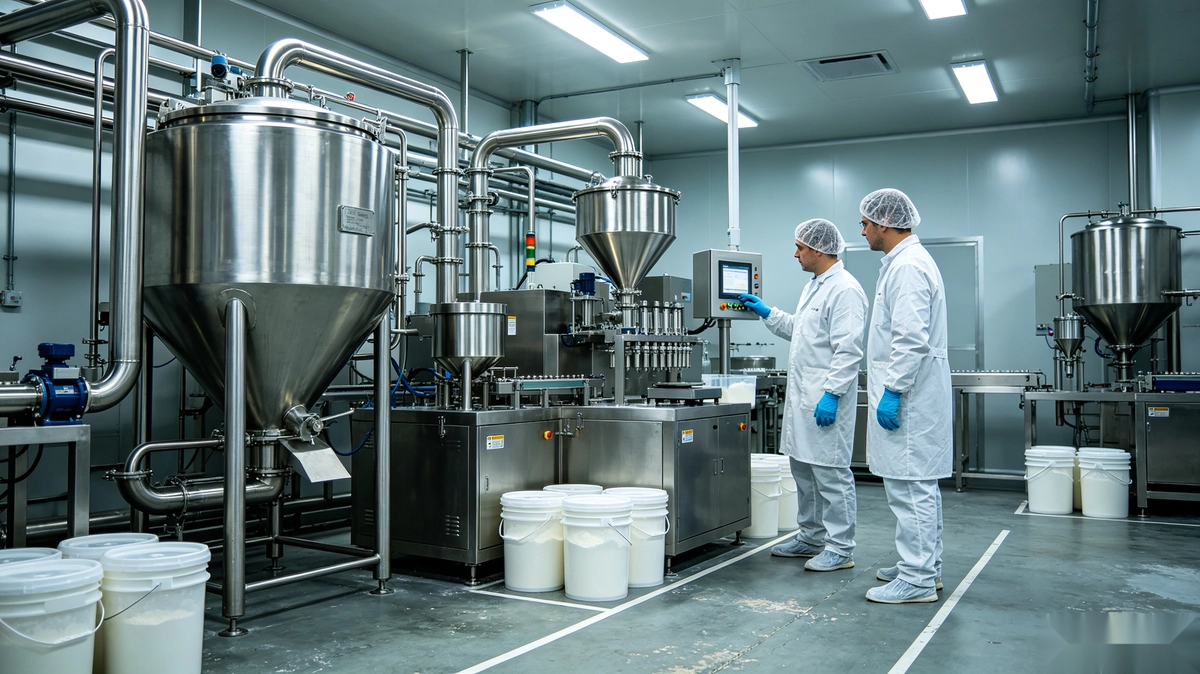
This short clip shows part of a real gummy production stage. A video like this is useful because it gives a first impression of how smoothly a line runs and how controlled the process feels. At the same time, no short clip tells the full story. The real test is whether that same process can support repeatable quality, practical customization, and stable scale-up over time.
A good-looking gummy is not the same as a good manufacturing project
This is one of the most common misunderstandings in gummy development.
A sample can look excellent in a meeting room and still become difficult in commercial production. A gummy may seem soft and enjoyable when freshly made, then turn sticky after filling. A shape may look attractive in a mold, then lose its edges after drying, packing, or shipping. A flavor may work in a small pilot batch, then show bitterness or aftertaste when the formula is pushed toward larger production.
That is why experienced buyers do not stop at appearance. They look at whether a concept is workable, not just presentable.
A reliable vitamin gummy manufacturer should be able to tell the difference.
What makes a vitamin gummy manufacturer genuinely reliable
Texture that still works in real production
When people say a gummy has a “good texture,” they often mean only one thing: it tastes nice to chew. A factory sees it differently.
Texture is not just about softness. It is also about whether the gummy is too sticky, too elastic, too dense, too wet, too dry, or inconsistent between batches. These are not minor details. They affect filling efficiency, bottle appearance, shelf performance, and customer experience.
Good texture comes from more than one decision. It is shaped by the gelling system, sweetener balance, moisture control, active ingredients, drying conditions, and the way the formula behaves once it moves beyond the lab. That is why a reliable factory does not simply promise a nice chew. It works to make sure that texture still feels right when the product is made again and again at production scale.
Shapes that are made for manufacturing, not just for presentation
Shape is often treated like a branding choice, but it is also a manufacturing decision.
Some shapes look great in concept drawings or early samples, yet become harder to control in real production. Fine edges may not release as cleanly as expected. Certain molds may slow down depositing. Some shapes are more likely to deform after drying, and others may not hold up well once they are packed into bottles and shipped.
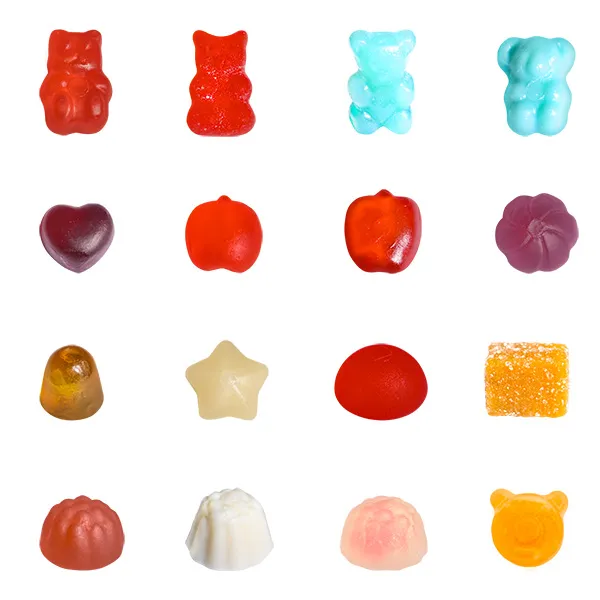
A good manufacturer looks at shape with two questions in mind: does it look right, and can it stay right during normal production?
That matters more than many brands realize. A shape that works only in a perfect sample is not a strong commercial choice. A shape that looks good and remains consistent through molding, drying, packing, and transport is much more valuable.
Customization that still makes sense at scale
Customization sounds simple until a project gets serious.
On paper, many ideas seem easy: adjust the dosage, change the flavor, switch the sweetener system, move from gelatin to pectin, pick a new shape, create a more premium bottle, or push the formula toward a cleaner label. In practice, every one of those changes can affect texture, taste, processing behavior, and production stability.
That is where a seasoned vitamin gummy manufacturer adds real value. The job is not only to say yes to customization. The job is to understand which custom directions are commercially workable and which ones need adjustment before they create problems later.
A strong partner should be able to discuss trade-offs honestly. If a certain dosage makes the gummy too large, if a flavor will not cover the ingredient aftertaste well enough, or if a chosen format will be difficult to keep consistent at scale, the factory should be comfortable saying so early.
That kind of feedback saves time. It also leads to better products.
Samples that reflect real production potential
Many buyers focus heavily on samples, and that makes sense. Samples are often the first moment when an idea becomes tangible.
Still, it is important to remember that a sample is only useful if it reflects what can realistically be produced later. A very polished sample means little if the same formula becomes unstable in larger runs. A quick sample turnaround is not especially valuable if the final production behaves differently in texture, color, flavor, or fill weight.
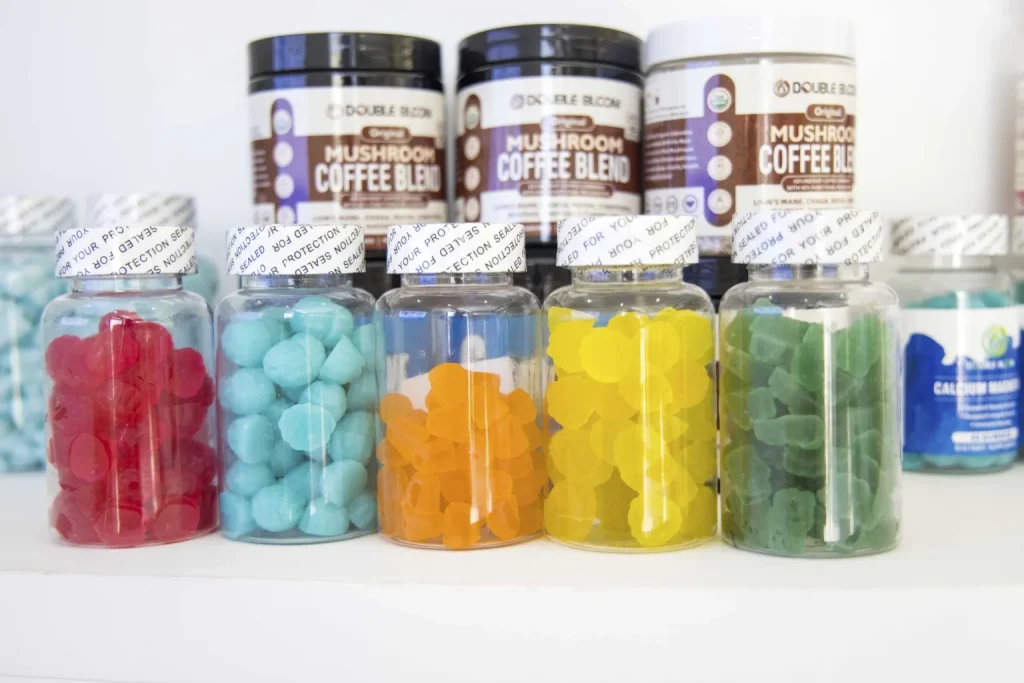
A good sample should not just impress. It should give a fair preview of where the project can go.
Reliable manufacturers understand this. They do not treat samples as isolated showpieces. They treat them as the beginning of a scalable product.
Packaging and shipping are part of product quality
Many gummy issues do not begin in the kettle. They show up later.
A formula may look fine during production but become sticky after bottling. A gummy may keep its shape in the plant and then deform during transport. A bottle may look premium but not provide the best fit for that specific product. Headspace, sealing, moisture control, bottle size, and shipping conditions all matter more than buyers sometimes expect.
That is why packaging should never be treated as an afterthought.
A reliable manufacturer looks beyond the gummy itself. It considers how the product will sit in a bottle, how it will move through packing, how it will behave in storage, and how it may change during shipping. This is especially important for brands selling into multiple climates or export markets.
What brands notice first vs what experienced factories care about more
| What brands notice first | What experienced factories care about more |
|---|---|
| Color and shape | Formula stability in production |
| Pleasant first-bite taste | Batch-to-batch texture consistency |
| Fast sample turnaround | Whether the sample can scale realistically |
| More customization options | Whether customization is workable at commercial volume |
| Attractive bottle design | Packaging fit, filling performance, and shipping behavior |
Questions worth asking before choosing a vitamin gummy manufacturer
Before moving too far into design or price discussions, it helps to ask a few practical questions.
Can this formula stay stable beyond the sample stage?
Will the requested shape still work well in regular production?
How does the factory manage texture consistency from batch to batch?
Will the chosen bottle and packing format protect the gummies during storage and shipping?
Can the manufacturer support both product development and longer-term commercial runs?
The answers to these questions often reveal more than a polished product photo ever could.
Vitamin gummy projects are not all the same
One reason supplier comparison can be misleading is that not all vitamin gummy projects have the same priorities.
Some formulas lean toward beauty positioning, where taste, daily routine, and visual appeal may matter more. Some focus on immune support, where the ingredient blend and flavor masking become more important. Others are built around single-vitamin positioning, where dosage, serving logic, and market fit need closer attention.
That is why it helps to look at a few live examples rather than treating all gummies as one category. Brands exploring beauty-oriented formats can review Hair Vitamins with Biotin & Folic Acid. Those interested in immune-positioned formulas can compare Extra Strength Vitamin C Gummies. If you are looking at a more focused vitamin direction, Vitamin D3 Gummies offers another useful reference point.
These examples are helpful not because every project should look the same, but because they show how different vitamin gummy directions can call for different choices in positioning, formula balance, packaging, and customer expectation.
Why many brands review a gummy manufacturer page before requesting samples
A single product page can show one formula. It cannot show the full working range of a factory.
That is why serious buyers usually spend time on a broader gummy supplement manufacturer page before requesting samples. They want to see whether the factory can handle more than one product idea. They want to understand whether the team can support pectin and gelatin systems, custom formulation, packaging options, production workflow, and export-facing requirements.
This matters because the best manufacturing partner is not always the one with the flashiest sample. It is often the one with the clearest process and the strongest ability to support a project from development through packaging and repeat production.
If you want a broader view beyond a single product, the gummy supplement manufacturer page is the right place to continue.
Common mistakes brands make when evaluating gummy manufacturers
One common mistake is choosing based only on unit price. That may feel efficient at first, but gummy projects often become more expensive later when texture problems, packaging mismatches, or unstable scale-up start to appear.
Another mistake is judging the whole project by the sample alone. Samples matter, but they should not be mistaken for proof of production stability.
A third mistake is overlooking post-production performance. Gummies do not stop changing the moment they leave the mold. Packaging, storage, and shipping all influence what the customer finally receives.
Finally, many brands assume that every customization request is equally practical. In reality, some combinations of dosage, texture, shape, sweetener system, and packaging are much easier to execute well than others.
The better the manufacturer understands these limits, the more useful the partnership becomes.
Final thoughts
Choosing a vitamin gummy manufacturer is not only about finding someone who can make gummies. It is about finding a team that can turn an idea into a product that stays commercially workable over time.
That includes texture that holds up, shapes that remain consistent, customization that still makes sense at scale, samples that reflect real production potential, and packaging choices that support the product after it leaves the line.
In other words, a reliable gummy project is rarely built on one attractive sample. It is built on practical manufacturing judgment.
If you are comparing partners for your next gummy launch, it makes sense to review both product examples and broader factory capability before making a decision. That is where the difference between a pleasant sample and a dependable long-term supplier becomes much easier to see.
FAQ
What should a vitamin gummy manufacturer be able to customize?
A reliable manufacturer should be able to discuss more than flavor and color. Useful customization often includes dosage, active ingredient combinations, sweetener systems, texture direction, mold suitability, and packaging fit.
Why can a gummy sample feel different from mass production?
Because small-scale development and larger production do not always behave the same way. Texture, flavor balance, drying behavior, and handling can all shift when a formula moves into regular runs.
Is gummy texture mainly a flavor issue?
No. Flavor matters, but texture is shaped by much more than taste. Gelling systems, moisture control, active ingredients, drying conditions, and processing behavior all play a role.
Why does shape matter so much in gummy manufacturing?
Because shape affects more than appearance. It can influence mold release, production consistency, edge definition, drying stability, and how the gummy behaves once it is packed and shipped.
Why should packaging be part of the manufacturer evaluation?
Because packaging affects how gummies hold up after production. Bottle fit, sealing, storage conditions, and shipping performance all influence the final product experience.