Creatine HCL is a form of creatine in which the creatine molecule is bound to hydrochloride. In simple terms, it is a creatine variant designed to improve water solubility and make the powder easier to mix. Creatine itself helps the body regenerate ATP, the quick energy source used during short bursts of high-intensity exercise such as sprinting, lifting, and repeated explosive training.
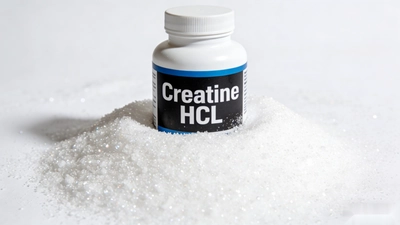
Because of its higher solubility, creatine HCL is often marketed as a cleaner, lighter, or more stomach-friendly option than traditional creatine monohydrate. That is why many gym users, athletes, and first-time creatine buyers search for terms like “what is creatine hcl” before deciding which form to use. However, while creatine HCL has gained attention in the supplement market, creatine monohydrate is still the most extensively studied form of creatine in sports nutrition research.
What Does Creatine HCL Mean?
The “HCL” in creatine HCL stands for hydrochloride. This means the creatine has been chemically combined with hydrochloride to improve its physical properties, especially solubility in water. Higher solubility does not automatically mean it is more effective for building muscle or improving performance, but it does help explain why many users say it mixes more easily and may feel gentler on the stomach.
Creatine in general supports the phosphocreatine system, which helps the body rapidly restore adenosine triphosphate, or ATP. ATP is the immediate fuel your muscles rely on during short, intense efforts. This is the core reason creatine supplements are widely used for strength training, repeated sprint work, and other high-output exercise.
How Does Creatine HCL Work?
Creatine HCL works through the same basic mechanism as other creatine forms. Once consumed, creatine helps increase the body’s creatine stores, especially in skeletal muscle. These stores support faster ATP regeneration during intense exercise, which can help with training output, repeated effort performance, and over time may support muscle growth when paired with proper training and nutrition.
The main difference often discussed with creatine HCL is not the core function, but the delivery profile. Because creatine HCL is more soluble than creatine monohydrate, brands often position it as easier to dissolve and potentially easier to tolerate for people who experience bloating or stomach discomfort with other forms. Still, current evidence does not clearly show that creatine HCL delivers better real-world performance results than monohydrate.
What Are the Claimed Benefits of Creatine HCL?
One reason creatine HCL has become popular is that it is often promoted with a few specific claims.
1. Better Water Solubility
This is the most consistent advantage associated with creatine HCL. Compared with creatine monohydrate, it dissolves more readily in water, which can improve the user experience and reduce gritty texture in finished products.
2. Smaller Serving Size
Some creatine HCL products recommend smaller servings than monohydrate. This is often presented as a convenience benefit. However, smaller labeled serving sizes do not by themselves prove stronger muscle saturation or better performance outcomes.
3. Potentially Better Digestive Tolerance for Some Users
Some users report less bloating or stomach heaviness with more soluble creatine forms. This is plausible from a formulation perspective, but the evidence base is still much stronger for creatine monohydrate overall than for HCL-specific superiority claims.
Is Creatine HCL Better Than Creatine Monohydrate?
This is the question most buyers really want answered.
The practical answer is: not clearly, based on current evidence.
Creatine monohydrate remains the benchmark because it is the most studied form for effectiveness, safety, and sports performance support, and this is one of the main reasons the creatine HCL vs monohydrate debate continues to matter for both consumers and brands.Major sports nutrition literature continues to support monohydrate as the reference standard.
Creatine HCL may offer formulation and user-experience advantages, especially in terms of solubility and potentially digestive comfort for some people. But there is not yet strong evidence showing that creatine HCL consistently outperforms monohydrate for strength gains, muscle mass, or exercise performance.
So if someone asks, “What is creatine HCL best for?” a fair answer is this: it may be a useful alternative for users who want a more soluble creatine format or who do not enjoy the texture or stomach feel of monohydrate. But if the goal is choosing the most validated option, monohydrate still leads.
Does Creatine HCL Cause Water Retention?
Creatine in general can increase intracellular water in muscle tissue. This is one reason some users notice early body weight changes after starting creatine. That effect is not necessarily negative; in many cases it reflects increased water content inside muscle cells rather than a problem. Reported side effects across creatine use can include nausea, diarrhea, stomach discomfort, and cramping in some users.
Creatine HCL is often promoted as causing less bloating, but stronger comparative evidence is still needed. It is more accurate to say that some users prefer it for subjective tolerance, rather than to claim it definitively avoids water retention altogether.
How Much Creatine HCL Should You Take?
Dosing recommendations vary by brand, and creatine HCL products are often positioned with lower daily serving sizes than monohydrate products. Since established sports nutrition guidance and long-term safety data are strongest for creatine monohydrate, users should be careful not to assume that every creatine HCL label reflects the same level of evidence. In practice, following the product label and checking total elemental creatine intake is important.
For general creatine use, research commonly supports daily intakes in the low gram range for monohydrate, with or without a loading phase, depending on the protocol. Loading is not always necessary.
Is Creatine HCL Safe?
Creatine as a category is generally considered safe for healthy adults when used appropriately, and this safety position is supported by major reviews and federal health resources.
That said, anyone with kidney disease, a medical condition, pregnancy, or medication concerns should speak with a qualified healthcare professional before use. It is also wise to choose products from manufacturers that provide clear labeling, quality documentation, and responsible dosage guidance. Mayo Clinic also notes that while creatine is widely used, individual suitability still matters.
Who Might Choose Creatine HCL?
Creatine HCL may be a practical option for:
- users who dislike the gritty texture of some monohydrate powders
- people who want a creatine that mixes more easily in water
- customers looking for a compact serving format
- brands developing premium sports nutrition formulas with a differentiated ingredient story
These are mainly positioning and formulation advantages. They do not automatically make creatine HCL more effective than monohydrate in performance terms.
Final Thoughts
So, what is creatine HCL?
Creatine HCL is a hydrochloride-bound form of creatine designed to improve solubility and user experience. It works through the same basic creatine pathway that helps support ATP regeneration and high-intensity exercise performance. Its biggest practical selling points are better mixability and a market perception of easier digestion.
But from a science-first perspective, creatine monohydrate still has the strongest research support for effectiveness and safety. That means creatine HCL is best understood as a useful alternative form, not a proven upgrade across the board. For brands, retailers, and buyers, the real decision often comes down to formulation strategy, positioning, user preference, and manufacturing goals rather than hype alone.