If you’ve been in the supplement space for more than a couple of years, you’ve probably noticed the same thing I have: buyers don’t ask for the same hydration formula they asked for back in 2020.
The requests have gotten a lot more specific.
They don’t just want “an electrolyte powder” anymore. Now it’s “a clean electrolyte powder.” One that looks better on the label, tastes decent enough to drink every day, and fits into how hydration products are being sold right now.
Sounds simple. But from a factory standpoint, that change touches a lot of things. Ingredients. Sweeteners. Flavor development. Packaging. Even how you position the product.
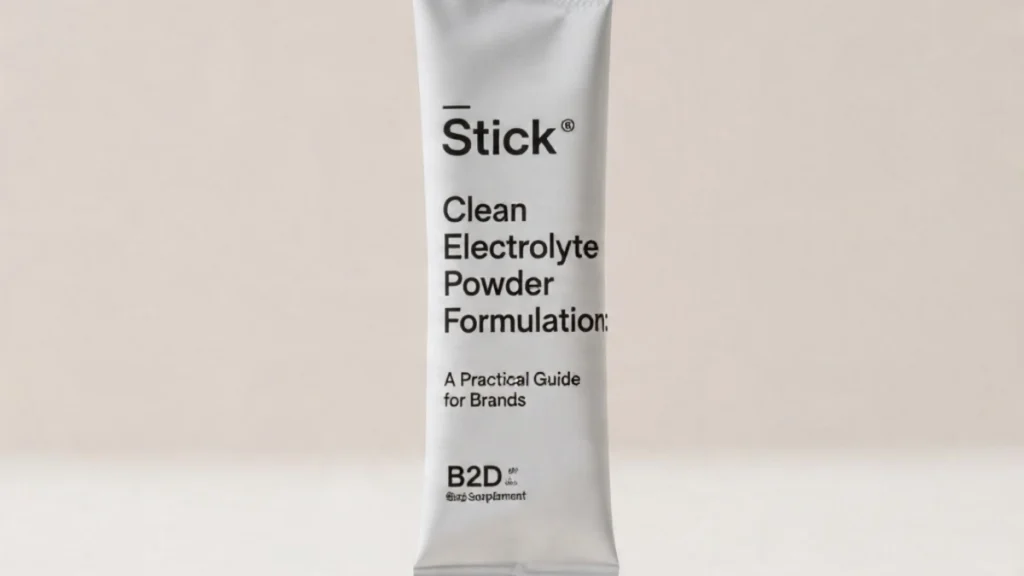
When a brand says they want a clean label electrolyte powder, what they usually mean is: something that feels current, actually works, and doesn’t look like a chemistry experiment.
That’s where the real work starts.
1. What do people actually mean by “clean electrolyte powder”?
Honestly? It’s not a strict technical term. More of a direction.
In real factory conversations, a clean electrolyte powder usually means a hydration powder supplement with:
- a shorter, simpler ingredient list
- fewer unnecessary fillers
- no artificial colors
- a smarter sweetener system
- a label that feels easier to trust
That doesn’t mean the formula has to be tiny. You can still add functional ingredients. The point is, every ingredient should have a reason.
A lot of older hydration powders were built to taste loud, look bright, and hit you with flavor first. The newer style is different. Brands want something cleaner on paper and cleaner in your mouth. That’s why clean electrolyte powder formulation comes up so often now in private label discussions.
2. Why are more brands asking for it now?
Because the hydration category moved.
A few years ago, electrolyte products were mostly sold with a heavy sports look. That still works for some brands, but not all of them. Now hydration is being sold into everyday situations:
- office workers
- travel
- gym bags
- hot weather
- daily wellness
- on‑the‑go routines
Once a product moves into those spaces, the formula usually has to change.
People don’t want a drink powder that feels too sugary, too artificial, or too aggressive when they’re using it every day. That’s why sugar free electrolyte powder and clean label electrolyte powder keep coming up in development calls.
From the brand side, the ask is usually pretty simple: keep it effective, but make it easier to sell. For brands looking to launch their own hydration line, working with an experienced OEM/ODM supplement manufacturer can help turn that ask into an actual product.
3. What actually goes into a clean electrolyte powder?
The base is usually straightforward.
Most formulas start with the core electrolytes:
- sodium
- potassium
- magnesium
- sometimes calcium
- sometimes chloride
After that, it depends on the product direction.For a deeper look at the roles of electrolytes in hydration, the NIH provides a solid overview.
Some brands want a very simple hydration powder supplement. Others want to add coconut water powder, vitamin C, or trace minerals. The mistake is thinking more ingredients automatically make a better product. That’s not how it works.
A cleaner formula usually performs better when the structure is clear.
Here’s a simple way many projects break down:
| Product Direction | Formula Focus |
|---|---|
| Daily hydration | balanced minerals, lighter taste |
| Sports hydration | higher sodium, faster hydration feel |
| Sugar free electrolyte powder | sweetener balance, cleaner finish |
| Premium wellness hydration | short label, smooth taste, clean positioning |
| Travel stick packs | easy mixing, convenient serving size |
The basic ingredients aren’t the hard part. Making them work together is. That’s where formulation experience matters. Jiabei’s powder supplement manufacturing page walks through the range of powder formats and functional blends available for private label projects.
4. Why electrolyte powder formulation is harder than it looks
Because minerals are not easy to work with.
On paper, electrolyte powder formulation can look very clean. In actual tasting, it can go wrong fast.
Here’s what usually happens:
- sodium can taste too sharp
- magnesium can turn bitter
- potassium can leave an aftertaste
- sweeteners can clash with the mineral system
- flavor can disappear once the electrolytes hit properly
That’s why a serious electrolyte powder manufacturer isn’t just mixing raw materials. The real work is balancing function, taste, sweetness, and label direction at the same time.
A formula might look great in a spec sheet and still fail in the cup. That part surprises a lot of buyers.
5. What makes an electrolyte powder feel “less clean”?
Usually it’s not one ingredient. It’s the overall impression.
A product starts to feel less clean when the formula looks crowded or when the drinking experience doesn’t match the label story.
Common problems:
- Too much added sugar – if the product is supposed to feel everyday‑friendly, high sugar works against that.
- Artificial colors – a lot of brands don’t want them anymore, especially in cleaner wellness lines.
- Too many fillers – if the ingredient list gets long without adding real value, the product loses clarity.
- Overbuilt flavor systems – some hydration powders taste louder than they need to. That works in some channels, but not in clean label positioning.
- Claims that don’t match the formula – big one. If the front label says “clean” but the formula feels old‑school, buyers notice.
A good clean electrolyte powder should feel consistent from the ingredient list to the final taste.
6. Is sugar free always the right choice for a clean formula?
No.
A lot of brands come in asking for sugar free electrolyte powder, and in many cases that’s the right move. But not every project improves just because you remove sugar.
The real question is whether the product still drinks well.
A sugar free formula needs to get several things right:
- sweetness level
- aftertaste
- mouthfeel
- flavor stability
- repeat drinkability
That’s where some projects fall apart. The brand wants a clean label, a strong electrolyte profile, and a sugar‑free claim, but the finished drink becomes too thin, too metallic, or too artificial on the finish.
That doesn’t mean sugar free is a bad direction. It just means it has to be executed properly.
A clean formula shouldn’t win only on paper. It should be something people actually want to finish.
For a real-world example of a sugar‑free formula done right, see Jiabei’s sugar‑free electrolyte stick packs product page.
7. Who is buying private label electrolyte powder these days?
A wider group than before.
Yes, sports brands still buy it. But now we also see interest from:
- wellness brands
- daily supplement brands
- travel‑focused product lines
- ecommerce hydration startups
- women’s wellness brands
- lifestyle private label brands
That shift matters because the formula brief changes depending on the end user.
A product for heavy training sessions is different from one for daily hydration at work. A product for wellness stores is different from one for sports retail. That’s why a good private label electrolyte powder project usually starts with positioning first, not ingredients first.
If a brand can’t explain where their product sits, the formula usually becomes too generic.
8. What brands should ask an electrolyte powder manufacturer
This is where buyers save themselves a lot of trouble.
Not every supplier that can blend powder can build a strong hydration product. Before choosing an electrolyte powder manufacturer, ask a few direct questions.
- Can you explain the formula logic clearly?
A manufacturer should tell you why mineral levels are set where they are, how the sweetener system works, and what trade‑offs come with different formula styles. - Can you support custom formulation?
Stock formulas are fine for some projects, but a better private label electrolyte powder usually needs some adjustment to fit the brand properly. - Can you provide documentation?
COA, specs, compliance documents, export support – for many buyers, this is not optional. - Can you handle different packaging formats?
Stick packs, pouches, jars, sachets – each brings different production details. - Can you help with taste work?
This matters more than most buyers expect. Hydration powders live or die on repeat use.
A decent supplier can make powder. A good one helps you avoid mistakes before launch. For a complete breakdown of how custom formulation, packaging, and compliance come together, Jiabei’s OEM and ODM services page covers the full process from concept to global delivery.
See how that works in practice. Below is a quick look inside our powder manufacturing facility — where custom electrolyte formulas go from blend to finished stick pack.
9. Which packaging format works best for clean electrolyte powder?
There’s no single answer, but here are common choices.
| Format | Best Use |
|---|---|
| Stick packs | travel, convenience, gym, premium single‑serve positioning |
| Sachets | trials, flexible single‑serve launches |
| Jars | daily use, home routines |
| Pouches | cost‑sensitive lines, refill style products |
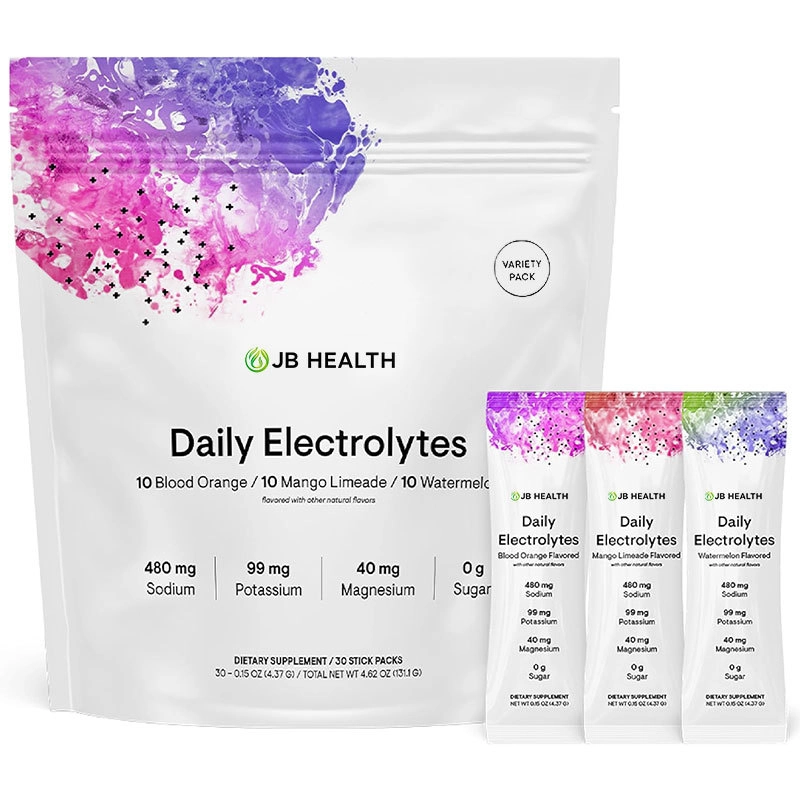
For many clean electrolyte powder projects, stick packs are attractive because they look neat, feel modern, and work well for daily use. But they’re not always the cheapest option, and they’re not always the best fit.
A jar can work very well for repeat daily use. A pouch may work better when shipping cost matters more. Match packaging to the real use case, not just what looks good in a mockup. Jiabei’s sugar‑free electrolyte stick packs page shows a complete example — from formula specs to packaging details.
10. Is clean electrolyte powder a good private label category?
Yes – if the positioning is real.
The category still has room. But a vague hydration product with a weak formula and generic branding isn’t going to go far. What works better is a product with a clear idea behind it.
Good directions often include:
- clean electrolyte powder for daily hydration
- sugar free electrolyte powder for modern wellness lines
- clean label electrolyte powder for premium supplement brands
- private label electrolyte powder in stick packs for travel and convenience
- hydration powder supplement for active lifestyle brands
The brands doing better in this space aren’t usually the ones shouting the loudest. They’re the ones building a product that makes sense from formula to packaging to market story. If you’re considering a private label hydration product, working with a dedicated OEM/ODM manufacturing partner can help you avoid the common pitfalls discussed earlier.
11. What usually goes wrong in these projects?
Quite a few things, honestly.
The most common problems we see:
- The brand asks for too many things at once – strong electrolytes, zero sugar, very low cost, perfect taste, fully clean label, fast turnaround. Sometimes trade‑offs are unavoidable.
- The formula is built for the claim, not the drinking experience – looks great on a sheet, disappoints in real use.
- Packaging is discussed too late – by the time it enters the conversation, it can already affect cost, filling, lead time, and flavor decisions.
- The positioning isn’t clear – if the product is supposed to serve everyone, it usually ends up feeling generic.
- The supplier is treated like a blender only – better results come when the manufacturer is part of the problem‑solving process early.
That’s why a good electrolyte powder manufacturer matters more than people think.
12. So what makes a strong clean electrolyte powder in the end?
It usually comes down to balance.
Not the longest ingredient list.
Not the loudest flavor.
Not the cheapest shortcut.
A strong product usually has:
- a clear formula purpose
- a clean and believable label
- a taste profile people can use repeatedly
- packaging that fits the product
- manufacturing support that actually solves problems
That’s what brands are really paying for.
A clean electrolyte powder isn’t just a hydration mix with a trendy name. Done right, it becomes a product that’s easier to position, easier to trust, and easier to build into a real supplement line.
That’s the difference between another powder on the shelf and a product that actually has a future.
13. Quick answers buyers usually ask
Is clean electrolyte powder only for athletes?
No. Many brands now position it for daily hydration, travel, office use, and general wellness.
Does clean mean sugar free?
Not always. Many clean products are sugar free, but they’re not the same thing.
Is it better to start with a stock formula or custom formula?
Depends on timing and budget, but custom work usually gives a better result for long‑term positioning.
What matters most in electrolyte powder formulation?
Balance. Mineral strength, sweetness, taste, and label direction all need to work together.
Is this a good private label product?

Yes, especially for brands that want a modern hydration product with a cleaner image. You can see an example of how this works in practice on Jiabei’s electrolyte hydration powder stick packs page.