Introduction
Ashwagandha extract has become one of the most sought-after ingredients in the global nutraceutical market. Known traditionally in Ayurvedic medicine as Withania somnifera, this adaptogenic herb is now widely used in dietary supplements targeting stress relief, sleep improvement, energy, and overall wellness. For supplement brands and private label businesses, understanding Ashwagandha extract is essential—not only in terms of its health benefits but also for sourcing, dosage, quality control, and regulatory requirements.
This article explores what makes Ashwagandha extract unique, how it is standardized, its health applications, and how brands can leverage OEM and ODM manufacturing to create competitive Ashwagandha-based products.
What Is Ashwagandha Extract?
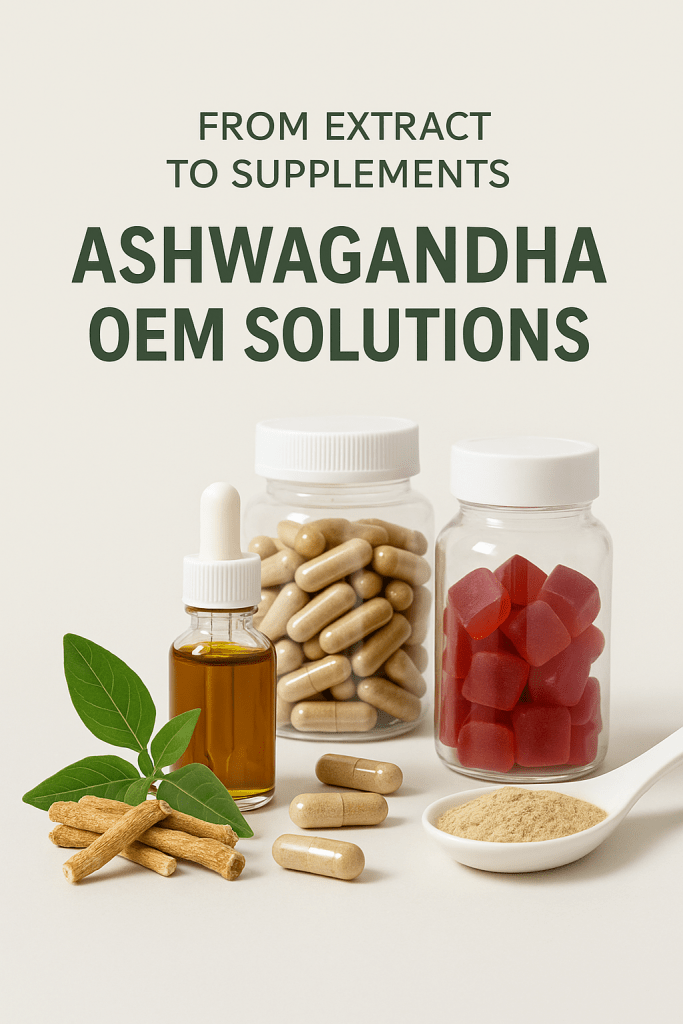
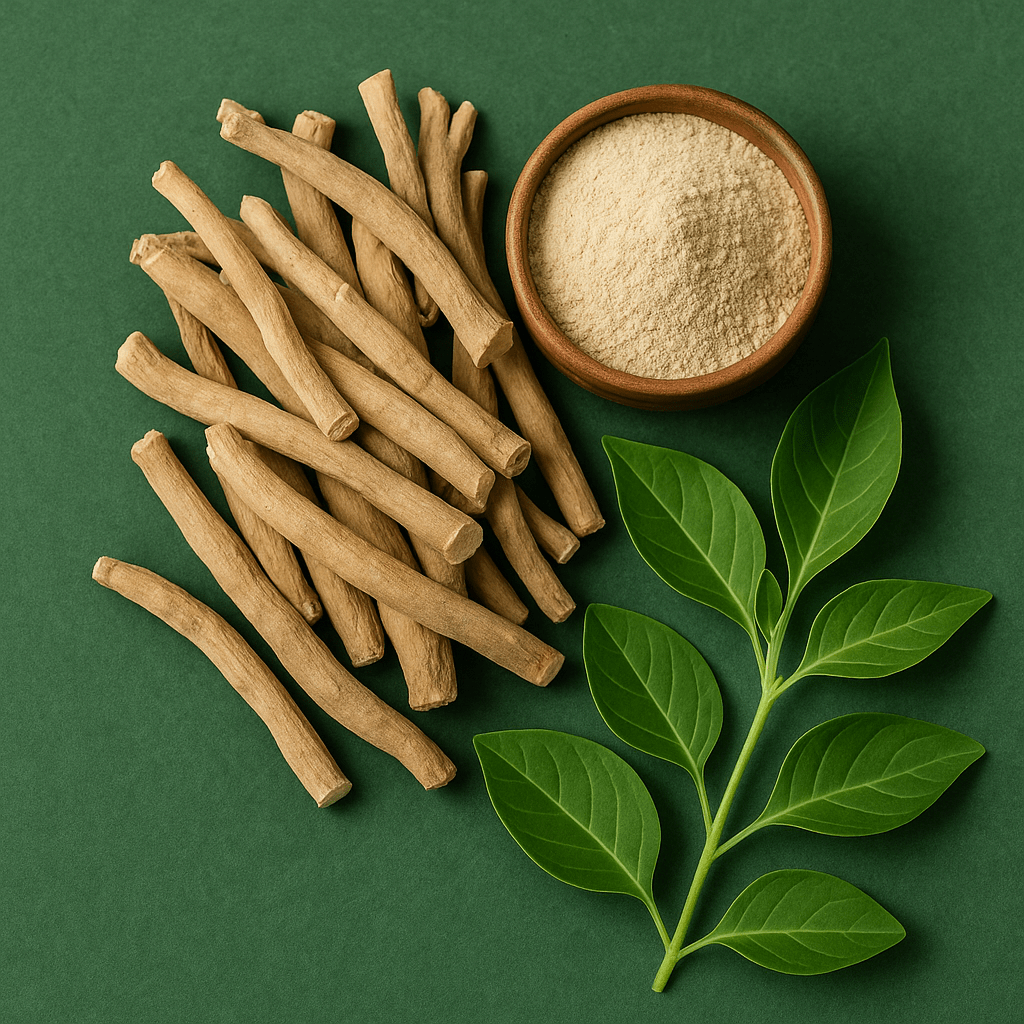
Ashwagandha extract is derived primarily from the roots of the plant, though leaf-based extracts are also used in some formulations. Unlike raw powders, extracts are concentrated and standardized to deliver consistent levels of active compounds, especially withanolides. This standardization makes extracts more reliable for supplement brands, ensuring both efficacy and safety.
- Root extracts are most common and are used in premium supplements.
- Leaf extracts contain higher withanolide levels but may alter taste and stability.
- Full-spectrum extracts aim to replicate the natural profile of the plant, preserving both active compounds and minor phytochemicals.
For manufacturers, choosing the right type of extract depends on the final dosage form, target market, and regulatory environment.
Active Compounds in Ashwagandha Extract
The effectiveness of Ashwagandha is linked to its bioactive compounds known as withanolides. These naturally occurring steroidal lactones are responsible for the herb’s adaptogenic and restorative effects.
- Withanolide concentration is a key measure of quality. Common standardized extracts are available at 2.5%, 5%, or even 10% withanolides.
- KSM-66 is a popular branded extract standardized for high potency while using only the root.
- Sensoril offers a higher withanolide content, often derived from both root and leaf.
Brands sourcing Ashwagandha must consider not just the concentration but also the stability, solubility, and market reputation of the extract they choose.
Health Benefits of Ashwagandha Extract
Ashwagandha extract is versatile, making it a valuable ingredient across multiple supplement categories:
- Stress and Anxiety Management
Studies show that Ashwagandha extract may help lower cortisol levels, providing relief from chronic stress and anxiety. - Improved Sleep Quality
Extracts are often used in formulations for better sleep, either standalone or combined with ingredients like magnesium or melatonin. - Energy and Endurance
In sports nutrition, Ashwagandha is known to reduce fatigue and enhance recovery, making it popular among athletes. - Cognitive Function
Regular use has been linked with improved focus, memory, and learning capacity, appealing to professionals and students alike. - Hormonal and Reproductive Health
Research indicates benefits for testosterone levels in men and hormonal balance in women, positioning Ashwagandha as a functional ingredient for gender-specific products.
Recommended Dosage of Ashwagandha Extract
The recommended dosage depends on the concentration of withanolides in the extract:
- General wellness: 300–500 mg per day of standardized extract.
- Stress and sleep support: 500–600 mg per day, often in divided doses.
- Sports performance: 600 mg or higher, depending on formulation.
For brands developing products, it is critical to align dosage with market regulations. For example, the U.S. and EU have different guidelines for labeling and health claims. OEM partners like Jiabei Health provide guidance to ensure compliance.
Ashwagandha Extract in Supplement Dosage Forms
Ashwagandha extract can be incorporated into a wide range of supplement types:
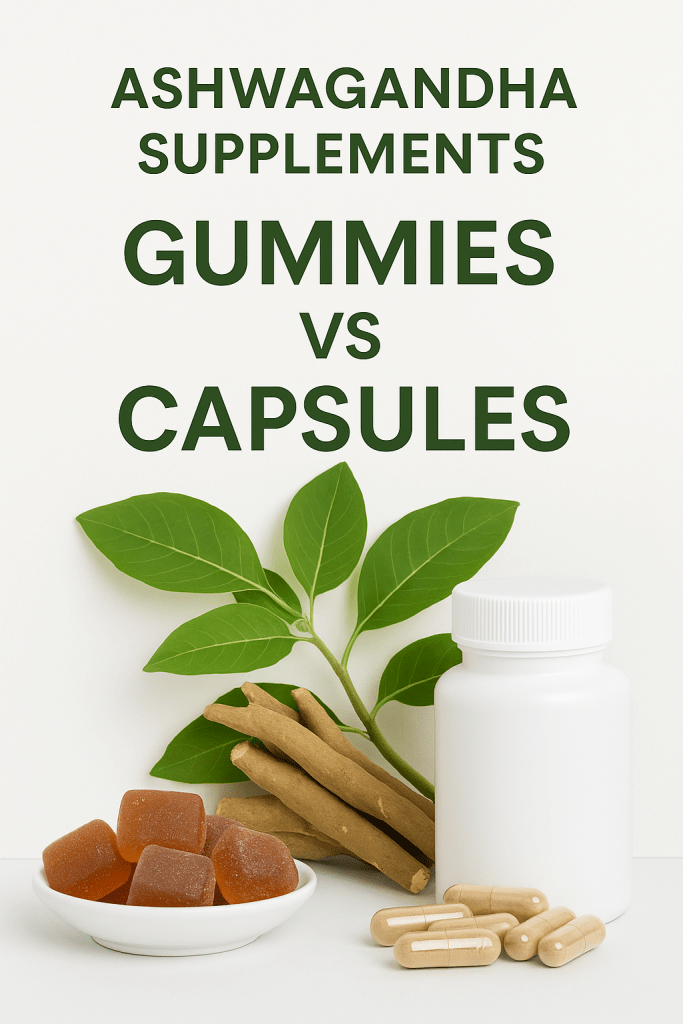
- Capsules – The most common format, allowing standardized dosage and stability.
- Tablets – Cost-effective for large-scale production.
- Powders – Suitable for sports nutrition and functional beverages.
- Liquid Drops – Fast absorption and flexible use.
- Gummies – Increasingly popular with younger consumers for convenience and taste.
For a deeper comparison of gummies and capsules, see our article Ashwagandha Gummies or Capsules – Choosing the Best Format for Your Supplement Brand. This detailed guide explores how consumer preference, cost, and logistics affect dosage form decisions.
Sourcing and Quality Standards for Ashwagandha Extract
For B2B buyers, sourcing decisions directly impact product quality and brand reputation. Key considerations include:
- Origin: India remains the largest and most reliable source, given its Ayurvedic heritage.
- Standardization: Ensure extracts are certified for withanolide content.
- Testing: Verify COA (Certificate of Analysis) with third-party labs for heavy metals, pesticides, and microbial safety.
- Certifications: GMP, FSSC22000, BRC, Halal, and Kosher are increasingly required by global retailers.
A reputable supplier should provide complete documentation, including certificates of origin and free sale.
OEM and Private Label Solutions with Jiabei Health
Jiabei Health offers OEM and ODM manufacturing for Ashwagandha-based supplements across multiple dosage forms. Our capabilities include:
- Custom Formulations – Combining Ashwagandha with magnesium, L-theanine, vitamin D3, or probiotics for synergistic benefits.
- Flexible Dosage Options – From gummies and capsules to powders and drops.
- Certification Support – GMP, Halal, Kosher, FSSC22000 compliance.
- Documentation – FDA registration numbers, certificate of free sale, certificate of origin.
- Reliable Logistics – Standard lead times of 15 days for capsules and 20–25 days for gummies, with global DDP shipping and customs support.
By partnering with Jiabei Health, brands gain not only high-quality supplements but also a reliable supply chain and full compliance support.
Global Market Trends for Ashwagandha Extract
The market for Ashwagandha extract is expanding across regions:
- North America – Strong demand for stress relief and sleep support products. Gummies and capsules dominate retail shelves.
- Europe – Emphasis on compliance, clean-label formulations, and standardized extracts.
- Asia – Traditional recognition combined with modern supplement applications.
- Middle East – Growing demand for Halal-certified Ashwagandha supplements.
The adaptability of Ashwagandha extract makes it a flexible ingredient that fits into global market trends.
FAQ About Ashwagandha Extract
Q1: What is the difference between Ashwagandha powder and standardized extract for supplements?
Ashwagandha powder is a raw form made by grinding the dried root, but its withanolide content is inconsistent. Standardized extracts are concentrated and tested to guarantee specific active levels, making them more reliable for supplement manufacturing and international markets.
Q2: What is the typical MOQ for private label Ashwagandha supplements?
At Jiabei Health, MOQ generally starts from 3,000 bottles for capsules and 5,000 bottles for gummies, depending on the formulation. Custom packaging, flavors, and higher withanolide extracts may require larger minimums.
Q3: How long does it take to manufacture Ashwagandha supplements?
Standard production lead times are 15 days for capsules and 20–25 days for gummies. Urgent orders can be expedited with advance notice, and Jiabei Health also supports DDP shipping for smooth delivery.
Q4: Can Ashwagandha extract products be Halal or Kosher certified?
Yes. We provide Halal- and Kosher-compliant formulations using vegetarian capsules or pectin-based gummies. Certification documents are available for export markets including the Middle East and Europe.
Q5: Which dosage forms of Ashwagandha extract are most popular globally?
Gummies: Strong demand in the U.S. and Western Europe due to lifestyle appeal.
Capsules: Still dominant in Asia and traditional supplement markets.
Powders and drink mixes: Growing in sports nutrition and wellness categories.
Conclusion
Ashwagandha extract is more than a traditional herb—it is a scientifically supported, globally demanded ingredient. For supplement brands, success depends on choosing standardized extracts, understanding proper dosage, and selecting the right dosage form.
With Jiabei Health as your OEM and ODM partner, your brand can confidently bring high-quality Ashwagandha extract supplements to market—whether in gummies, capsules, powders, or custom blends. Backed by international certifications and reliable logistics, we help supplement companies capture the growing demand for this powerful adaptogen worldwide.