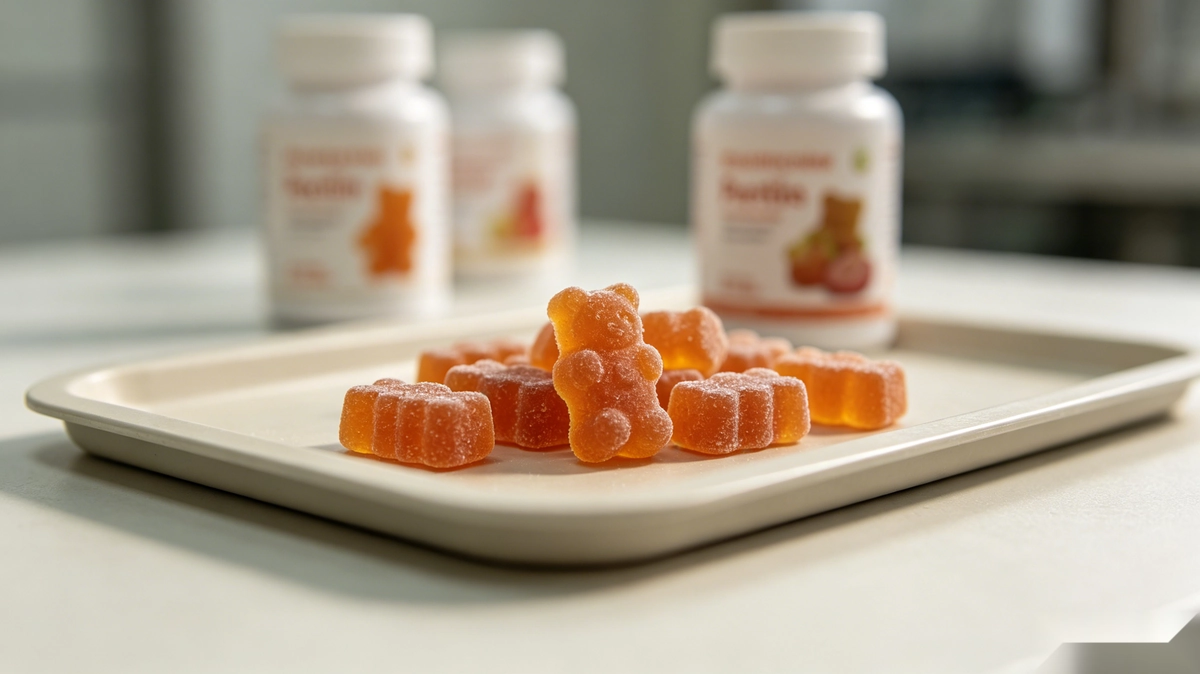
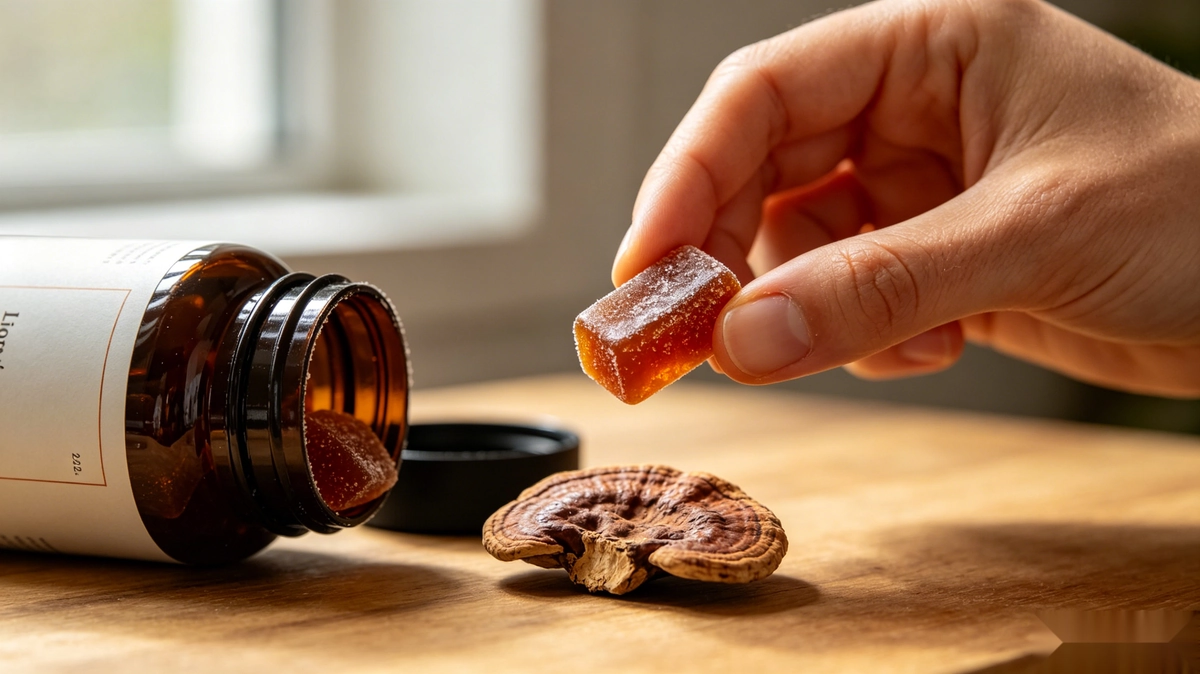
Should this be a beauty gummy, a collagen powder, or a drink mix? Should the formula feel clean and clinical, or soft and lifestyle-driven? And can the final product taste good enough for someone to use every day?
These are the questions that come up before a beauty supplement project becomes a quote. In this category, the product has to do two jobs at once: work as a supplement and feel like part of a beauty routine. Taste, color, texture, packaging, and label style all shape that first impression.

The 10 questions below can help brands think through the product before moving into sampling and production.
1. What Are Beauty Supplements?
Beauty supplements are products people take for beauty-related routines, not just for basic nutrition.
That is the first thing brands should understand. A customer buying collagen powder, beauty gummies, biotin capsules, or hyaluronic acid drinks is usually not only reading the Supplement Facts panel. They are also judging whether the product feels clean, pleasant, and worth adding to a daily routine.
Most beauty supplements are built around ideas such as collagen support, skin hydration, hair, skin and nails nutrition, antioxidant beauty, glow support, or daily beauty wellness. Common formats include powders, gummies, capsules, liquid drinks, jelly sticks, tablets, softgels, and drops.
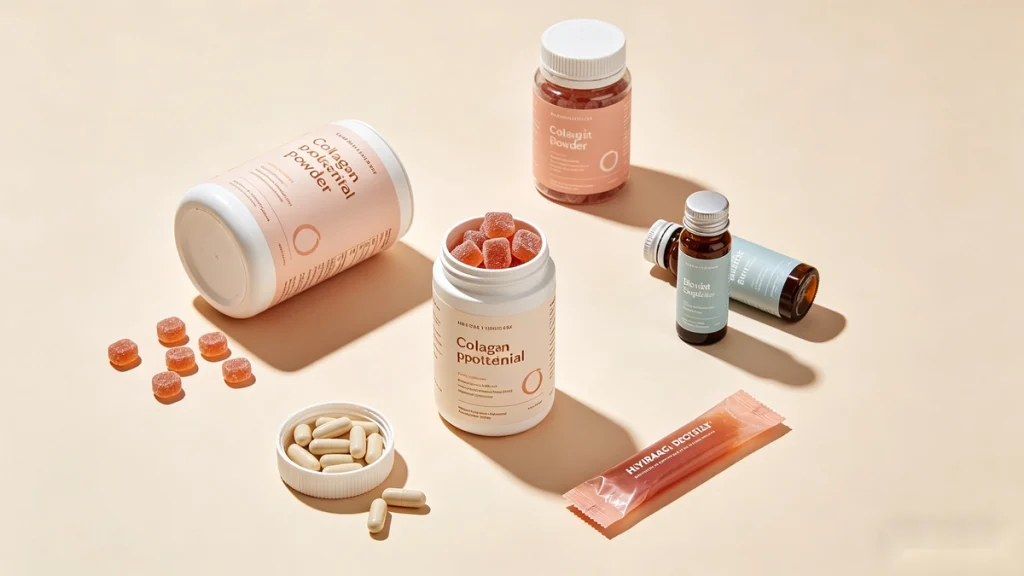
But the category is not defined by ingredients alone.
A collagen powder that tastes too heavy will be hard to use every morning. A beauty gummy with a dull color or poor chew will not feel premium. A liquid beauty product with visible sediment may raise questions even when the formula looks attractive on the label.
Beauty supplements need to look, taste, and feel like something the customer wants to repeat. That is what makes this category different from a standard supplement line.
2. Why Are Beauty Supplements Different? Taste, Packaging, and Brand Experience
Beauty supplements live closer to the beauty shelf than many brands expect.
The product still needs a reasonable formula and stable production, but the buying decision is often shaped by details that regular supplements can sometimes ignore: flavor, smell, color, texture, bottle shape, label style, and the feeling of the daily ritual.
A capsule can feel clean and minimal. A gummy can feel friendly and easy. A collagen powder can feel like a morning beauty drink. A jelly stick can feel like a portable beauty snack. These are not just dosage forms. They are product experiences.
This is why beauty supplement development should not start with a long ingredient list. It should start with the kind of product the brand wants to create.
Is it clinical and simple? Soft and lifestyle-driven? Premium and giftable? Easy and playful? The answer affects the formula, flavor, packaging, label design, and even the format itself.
For private label brands, this is where the opportunity is. Small choices in taste, color, packaging, serving style, and product story can make the product feel different even when the ingredient category is familiar.
3. Which Beauty Supplement Formats Are Commonly Used?
Beauty supplements can be made in several formats, but the format should not be chosen only because it looks popular. The better question is: which format makes the beauty concept easier for the customer to understand and use every day?
A collagen formula, a biotin formula, and an antioxidant beauty formula may all belong to the same beauty supplement category, but they do not always fit the same dosage form.
| Format | Best For | What to Check | Beauty-Specific Note |
|---|---|---|---|
| Gummies | Beauty gummies, hair skin and nails, vitamin blends | Taste, texture, sugar system, pectin or gelatin base | Texture and color should still feel pleasant even with added collagen, biotin, or botanical extracts. |
| Powders | Collagen powder, beauty drink mix, hydration beauty | Solubility, flavor, sweetness, serving size | Flavor masking is important, especially for marine collagen or strong botanical ingredients. |
| Capsules | Biotin, antioxidants, herbal beauty formulas | Dosage, capsule size, vegan capsule option | A clean capsule format works well when the ingredient taste is difficult to manage. |
| Liquids / Drops | Beauty liquids, herbal drops, liquid wellness formulas | Taste, base liquid, sediment, bottle compatibility | Color, clarity, and bottle presentation matter more than many buyers expect. |
| Jelly Sticks | Collagen jelly, beauty snacks, portable formats | Texture, filling, packaging MOQ | Visual clarity, fruit color, and smooth texture are important for beauty snack positioning. |
| Softgels | Oil-based beauty ingredients | Ingredient compatibility and MOQ | Suitable for certain oil-based beauty ingredients, but not every project fits this format. |
Gummies are often a good fit for daily beauty habits because they are easy to understand, easy to use, and friendly for repeat purchase. But they are not the best choice for every formula. If the active ingredients are too bitter, too dark, or too high in dosage, the gummy may lose the taste and texture that make it attractive in the first place.
Powders are usually more practical when the formula needs a larger serving size. This is why collagen powder, beauty drink mixes, and hydration beauty products are commonly made in powder form. The main challenge is not only adding the ingredients, but also making the drink taste clean, dissolve well, and feel light enough for daily use.
Capsules are useful when the brand wants a simple, clean, and functional product. They are also easier for ingredients with strong taste, such as certain botanical extracts or antioxidant compounds. The trade-off is that capsule size and serving count need to be checked early.
Liquids, jelly sticks, and softgels can create a more premium beauty image, but they also need more attention to stability, filling, packaging, and shelf appearance. These formats can work well when the brand wants a stronger beauty lifestyle feeling, not just a standard supplement look.
If the product direction is gummy-based, brands can review our gummy supplement manufacturing page for more details on formula, flavor, texture, shape, and private label packaging. For collagen powder, beauty drink mix, or stick pack projects, our powder supplement manufacturing page is more relevant.
4. Which Ingredients Are Commonly Used in Beauty Supplements?
Beauty supplement ingredients should not be chosen only because they are popular. A good formula needs ingredients that fit the product story, the dosage form, the taste profile, and the packaging plan.
Collagen and Skin Hydration Concepts
Collagen peptides are often used in beauty powders, drinks, gummies, and jelly sticks. A format such as collagen gummies can work well when the brand wants a daily beauty product that feels easier to use than powder. Hyaluronic acid is commonly selected for skin hydration positioning, while vitamin C is often paired with collagen formulas. Ceramides may also be used in skin-focused supplement concepts.
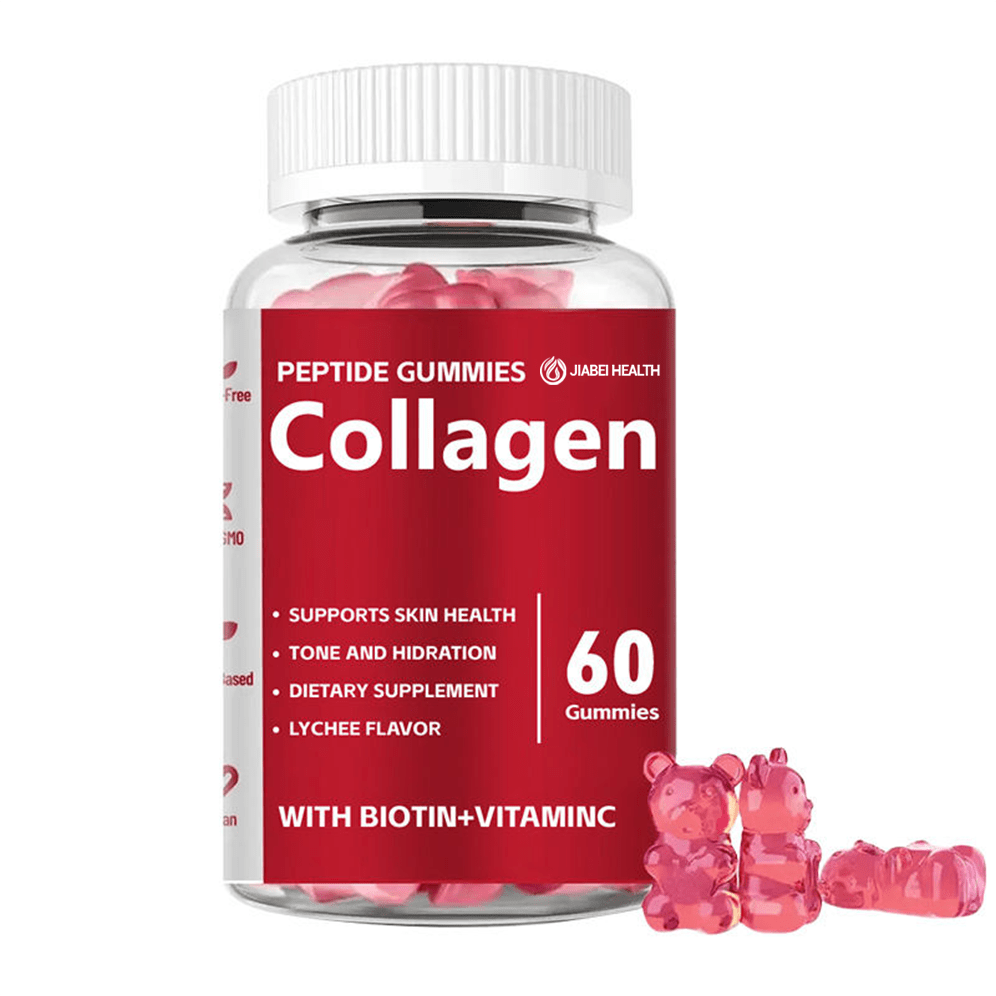
These ingredients are often used in products positioned around collagen beauty, skin hydration, and beauty-from-within routines.
Hair, Skin, and Nails Concepts
Biotin is widely used in hair, skin and nails supplement formulas. Zinc, selenium, and B vitamins are also common in this category. These ingredients are often used in gummies, capsules, tablets, and beauty blends.
A format such as hair skin nail gummies can make this concept easier to understand for daily-use beauty positioning. Brands still need to check dosage, taste, texture, label clarity, and packaging style before production.

Antioxidant Beauty Concepts
Grape seed extract, CoQ10, astaxanthin, green tea extract, and selected botanical extracts are often used in antioxidant beauty positioning.
These ingredients may look attractive on the label, but they can bring formulation challenges. Some botanical extracts have bitterness, strong color, or stability concerns. The dosage form should be chosen carefully.
Glow and Beauty Drink Concepts
Beauty drink concepts may include vitamin C, hyaluronic acid, electrolytes, fruit powder blends, collagen peptides, or selected plant extracts.
For drink mixes and liquid beauty products, flavor and appearance are especially important. A formula may look good technically, but if the drink tastes too strong or looks unstable, the product experience will suffer.
Ingredients should not be selected separately from the dosage form. High-dose collagen usually needs more space, so powder is often more practical. Bitter botanical extracts may work better in capsules. Lower-dose daily beauty formulas may fit gummies better. The ingredient plan should guide the format, not the other way around.
5. Collagen Powder, Gummies, Capsules, or Liquids? How to Choose the Right Format for Your Beauty Brand
The format should follow the ingredient strategy, not the other way around. A brand may like the idea of beauty gummies, but if the formula needs a high collagen serving size, powder or jelly sticks may be more realistic.
| Brand Goal | More Suitable Format | Reason |
|---|---|---|
| High collagen dosage | Powder | Easier to carry a larger serving size |
| Easy daily beauty product | Gummies | Better taste and user compliance |
| Clean formula positioning | Capsules | Simple format with fewer flavor issues |
| Premium beauty drink concept | Liquid / oral liquid | Strong lifestyle and visual appeal |
| Portable beauty snack | Jelly stick | Convenient and social-media friendly |
If the formula needs a high collagen dosage, powder is usually more practical. It gives more room for active ingredients and works well with jars, pouches, or stick packs.
If the brand wants a fun, approachable product, gummies may be easier to market. They work well for beauty vitamins, hair skin and nails formulas, and simple daily wellness concepts.
If the ingredients taste bitter or the brand wants a cleaner format, capsules may be better. They avoid many flavor problems and can fit premium minimalist branding.
If the product is positioned as a beauty routine or premium lifestyle item, liquids or jelly sticks may be attractive. But these formats need more attention to packaging, stability, filling, and shelf appearance.
The best format is not always the most popular one. It is the one that fits the formula and the brand.
6. Formulation Challenges in Beauty Supplements: Taste, Stability, and Ingredient Limits
A beauty supplement formula should not only look attractive on the label. It should taste acceptable, stay stable, fit the chosen dosage form, and work with the selected packaging.
This is where many projects become more complicated than expected.
Marine collagen may have a noticeable taste. Some botanical extracts are bitter or earthy. Certain antioxidant ingredients may bring strong color. Powder products may have solubility issues. Liquid formulas may have sediment, color changes, or flavor changes over time.
Gummies also have limits. A gummy cannot carry unlimited active ingredients while still keeping good texture and taste. If the dosage is too high, the gummy may become too large, too soft, too sticky, or unpleasant to eat.
Common formulation challenges include:
- Fishy or heavy taste from collagen ingredients
- Bitterness from botanical extracts
- Limited active ingredient capacity in gummies
- Poor solubility in powder drink mixes
- Sediment in liquid products
- Color changes during storage
- Texture issues in jelly sticks or gummies
- Sweetener aftertaste in sugar-free formulas
- Stability issues with sensitive ingredients
- Packaging compatibility problems
This is why beauty supplement formulas should be reviewed before sampling. A strong concept is not enough. The formula has to survive real production, packaging, storage, and daily use.
These issues are better handled before sampling, not after the first batch has already been planned. It is better to adjust the formula before sampling than to fix avoidable problems after production starts.
7. How Does Packaging Affect Beauty Supplements?
In beauty supplements, packaging is not just a container. It is part of the product’s beauty promise.
A matte-finish jar, a gradient bottle, a clean stick pack, or a sleek gift box can influence whether a customer notices the product on a shelf or in a social media feed. This matters more in beauty supplements than in many other supplement categories.
Packaging affects how the product feels before the customer even tries it.
| Packaging Type | Suitable For | Notes |
|---|---|---|
| Bottle | Gummies, capsules, tablets | Fast and flexible for private label projects |
| Jar | Collagen powder, beauty powder | Good for premium shelf display |
| Stick pack | Collagen, electrolyte beauty, drink mix | Convenient but packaging planning is important |
| Pouch | Powder and refill concepts | Lower weight, different shelf style |
| Jelly stick | Beauty snack concepts | Strong lifestyle appeal, higher packaging requirements |
| Gift box | Premium beauty products | Good for retail but needs longer design time |
Standard bottles are usually practical for early-stage private label projects. Jars work well for collagen powders and beauty drink mixes. Stick packs are convenient and easy to carry, but they require careful planning for filling weight, outer box, and packaging MOQ.
Jelly sticks and gift boxes can look more premium, but they usually require more preparation time. Custom packaging may also affect lead time, cost, and MOQ.
For beauty supplements, packaging should be discussed early. A formula may be ready, but if the packaging is not confirmed, the project can still be delayed.
Good packaging should match the formula, sales channel, price point, brand image, and shipping plan.
8. What Documents Should Beauty Supplement Brands Prepare?
Document needs for beauty supplements are not dramatically different from other supplement categories, but there are a few areas where extra attention is useful.
The biggest one is the label. Beauty supplement labels often use carefully chosen claims and visual language that appeals to beauty-conscious consumers. That means brands should prepare clear label information early—and double-check that the wording works for the destination market. A label that sounds attractive in one country may need adjustment in another.
Below are the documents commonly requested during beauty supplement OEM and export projects:
- COA (Certificate of Analysis) – provides batch-level quality information for a specific product or delivery
- Product specification sheet – outlines ingredients, dosage, format, shelf life, and storage conditions
- Ingredient list and label information – needed for label design, import review, and shelf presentation
- Factory certifications – such as GMP, HACCP, BRCGS, FSSC 22000, BPJPH Halal, and KETETAPAN HALAL, depending on the project and document requirements
- Export documents – depending on the destination, these may include a Certificate of Free Sale, Certificate of Origin, packing list, commercial invoice, and customs-related documents
- Product images and packaging files – while not always listed among standard documents, beauty supplement buyers often request these earlier for brand and channel planning
A practical approach is to discuss document requirements in the first project conversation. If a product is heading to a market with strict label rules, it is better to review the ingredient list and claims before sampling begins. This way, the formula, label, and documents stay aligned—and the project schedule is not interrupted later by last-minute label changes.
9.What Should Brands Share Before Developing a Beauty Supplement?
Before asking for a quote, brands should share more than a product name. For beauty supplements, the factory needs to understand the product image, usage scene, format, ingredients, flavor direction, and packaging style.
Useful details include:
- Product concept: collagen beauty, hair skin and nails, glow support, beauty drink, or beauty gummy
- Desired format: powder, gummy, capsule, liquid, jelly stick, tablet, or softgel
- Main ingredients and target dosage
- Flavor direction: fruit, berry, citrus, creamy, herbal, or unflavored
- Texture expectation: chewy gummy, light drink, smooth jelly, clean capsule, or premium powder
- Packaging style: bottle, jar, stick pack, pouch, jelly stick, or gift box
- Reference product or visual style
- Destination market
- Estimated order quantity
- Required documents or label concerns
10. How to Evaluate a Manufacturer for Your Beauty Supplement Project
A beauty supplement project needs more than a production line. It needs formula review that considers taste, texture, and visual appearance. It needs packaging that looks right for the beauty aisle. And it needs documents that work for the destination market.
Jiabei Health works with brands on private label beauty supplements across multiple formats, including gummies, capsules, powders, liquids, tablets, and selected softgel projects. The support we provide usually covers:
- Reviewing whether a formula idea works better as a gummy, powder, capsule, liquid, or jelly stick
- Adjusting flavor, sweetness, color, and texture for beauty supplement expectations
- Planning packaging that matches the brand’s beauty positioning
- Preparing COA, product specifications, factory certifications, and export documents
- Coordinating production timelines so packaging and formula progress stay in sync
For gummy beauty products, we help with pectin or gelatin base selection, flavor, shape, color, bottle count, and private label label design. Our team works on gummy supplement manufacturing regularly, so texture and shelf stability are part of the standard review.
For collagen powders, beauty drink mixes, and stick pack projects, powder supplement manufacturing support includes solubility checks, flavor masking for marine or bovine collagen, filling weight, and packaging style selection.
For brands that want full-service private label development, our OEM and ODM supplement services connect formula, packaging, documentation, and export coordination in one plan.
If you are still at the concept stage, send us your product idea, main ingredients, target dosage, preferred format, packaging direction, destination market, and estimated quantity. If you are unsure which format fits best, we can help evaluate whether your concept is more suitable for gummies, powders, capsules, liquids, or another format.
FAQ
What are beauty supplements?
Beauty supplements are dietary supplement products usually positioned around skin hydration, collagen support, hair, skin and nails nutrition, antioxidant beauty, and beauty-from-within concepts.
What are common beauty supplement formats?
Common beauty supplement formats include gummies, powders, capsules, liquids, jelly sticks, oral liquids, tablets, and softgels. The right format depends on the formula, dosage, taste, packaging plan, and brand positioning.
What ingredients are used in beauty supplements?
Common ingredients include collagen peptides, hyaluronic acid, vitamin C, biotin, zinc, ceramides, CoQ10, grape seed extract, astaxanthin, and selected botanical extracts. The final formula should consider taste, stability, dosage, and market requirements.
Can beauty supplements be private label?
Yes. Beauty supplements can be developed for private label brands with custom formulas, flavors, dosage forms, packaging, labels, COA support, and export documents.
What should I prepare before developing beauty supplements?
Prepare the product format, main ingredients, target dosage, flavor preference, packaging idea, destination market, estimated quantity, reference product, and document requirements. These details help the manufacturer check formula feasibility, sampling, packaging, and production planning.