If you have ever tested a caffeine gummy that looked perfect on paper but failed in consumer trials, the reason is rarely the sweetener.
It is bitterness.
Understanding bitterness masking for caffeine gummies is not a flavor preference issue. It is a formulation and process challenge that determines whether a product survives scale-up or dies after the first sample round.
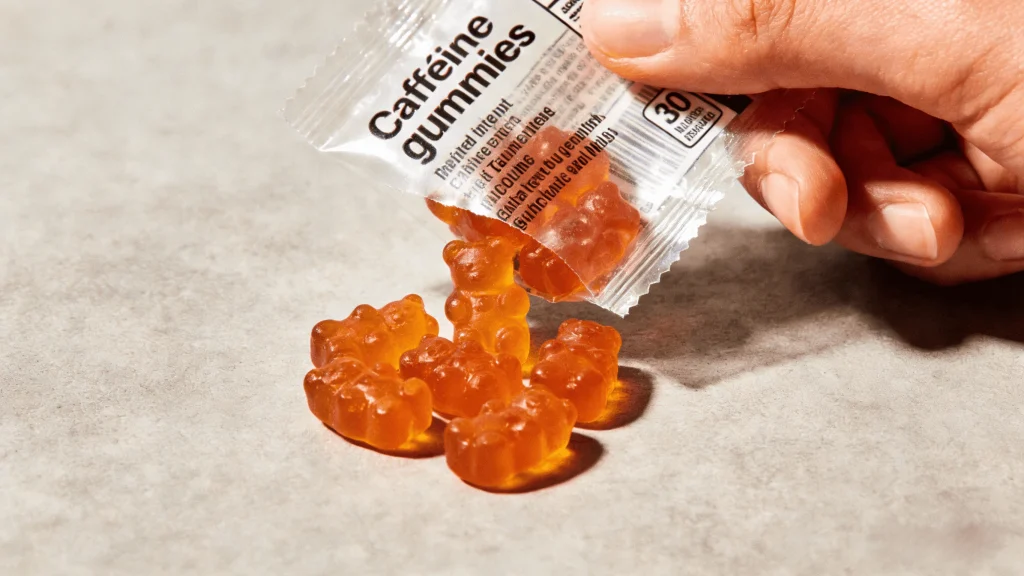
This article explains why caffeine bitterness is difficult to control, where most gummy projects break down, and how manufacturers approach masking without sacrificing stability or dosage accuracy.
Why Caffeine Tastes Bitter in Gummies (And Why Sugar Alone Doesn’t Fix It)
Caffeine bitterness is intrinsic.
Unlike botanical bitterness, caffeine interacts directly with taste receptors, producing a sharp, lingering profile that intensifies as dosage increases.
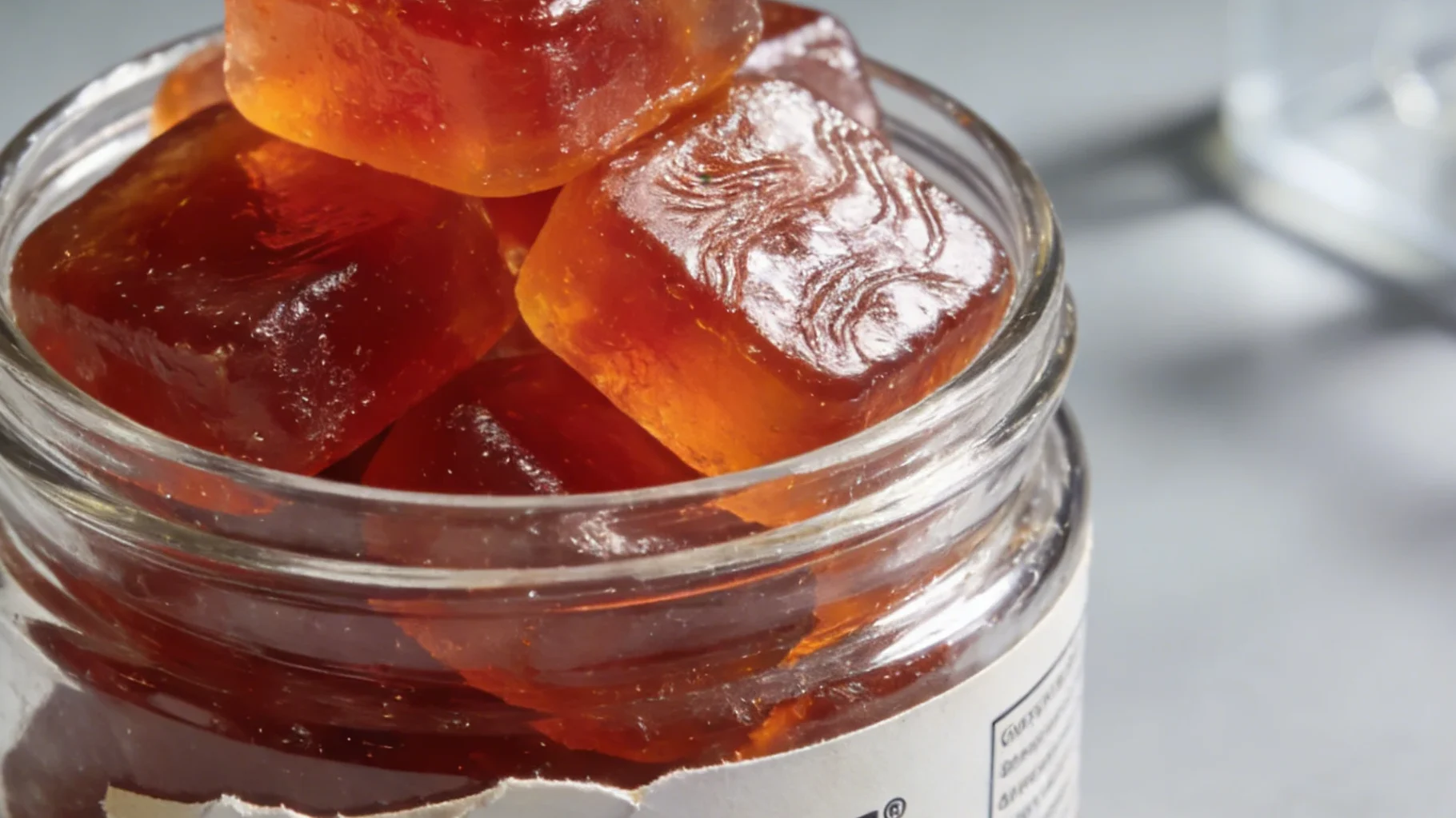
In gummy systems, bitterness is amplified by:
- Prolonged oral residence time
- Chewing and saliva exposure
- Heat-driven flavor volatility during processing
This is why simply increasing sweetness often fails.
At higher active levels, sugar masks sweetness temporarily but leaves a delayed bitter aftertaste.This challenge becomes even more pronounced as the maximum active load pectin gummies approaches its formulation limits.
Why Bitterness Problems Appear After Scale-Up
Many buyers encounter a familiar scenario:
“The lab sample tasted fine. Production didn’t.”
This happens because:
- Bench samples allow manual dispersion
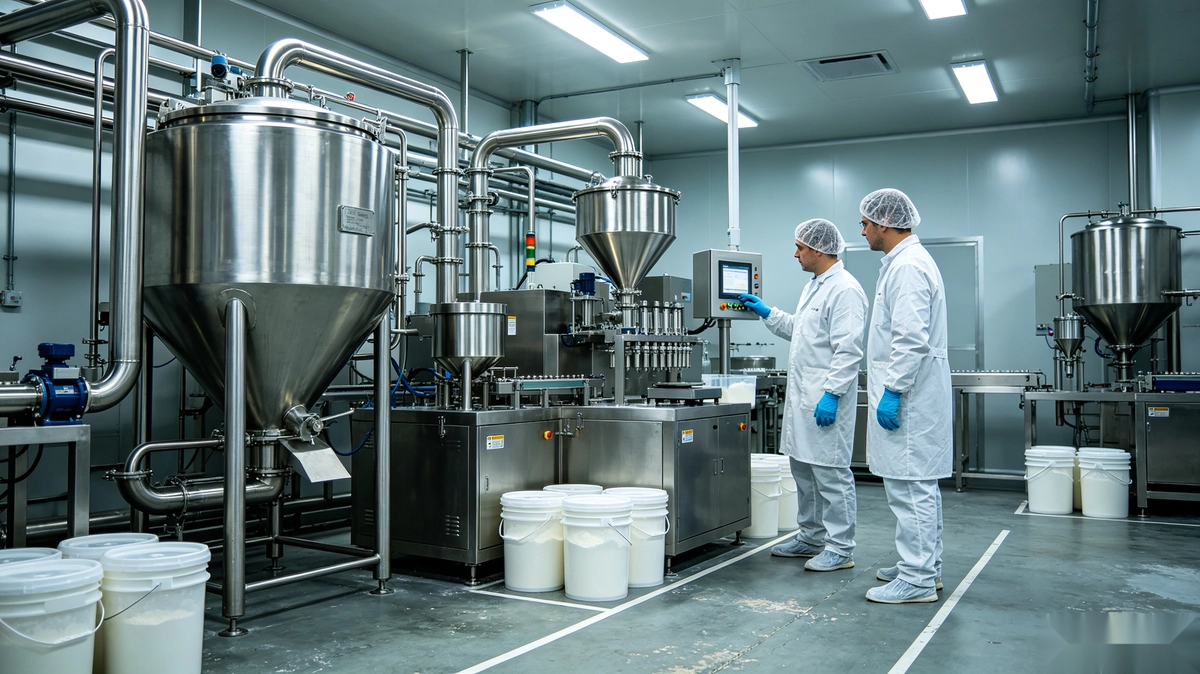
- Pilot runs introduce shear and heat exposure
- Full-scale depositing alters flavor release kinetics
Bitterness masking that works at small scale often collapses under production conditions.
This is a manufacturing problem, not a flavor house problem.
Encapsulation: What It Does (and What It Doesn’t)
Encapsulation is one of the most common approaches to caffeine bitterness control.
In gummy manufacturing, encapsulation may:
- Delay caffeine release during chewing
- Reduce immediate taste receptor interaction
- Improve initial flavor perception
However, encapsulation is not a universal solution.
Poorly selected encapsulation systems can:
- Break under heat
- Settle during depositing
- Create dosage inconsistency
This is why encapsulation must be evaluated alongside particle size, dispersion behavior, and process selection.
(Related internal link: maximum active load pectin gummies)
Flavor Layering vs Structural Masking
Manufacturers generally approach bitterness control in two ways:
Flavor Layering
- Sweetness balancing
- Acid modulation
- Top-note flavor enhancement
This improves first bite perception but rarely solves aftertaste at higher caffeine levels.
Structural Masking
- Encapsulation
- Controlled release matrices
- Process-driven dispersion control
Structural masking addresses bitterness at its source, but requires tighter manufacturing control.
Buyers should understand which strategy a manufacturer is using—and why.
Why High-Active Caffeine Gummies Are the Hardest to Mask
Bitterness increases non-linearly with dosage.
As caffeine levels rise:
- Flavor masking margin shrinks
- Encapsulation stress increases
- Texture and stability risks compound
This is why bitterness masking decisions cannot be separated from active load feasibility.
What Buyers Should Ask Before Approving a Caffeine Gummy Formula
A practical buyer checklist includes:
- Target mg caffeine per gummy vs per serving
- Masking strategy (flavor vs structural)
- Encapsulation behavior under heat
- Dispersion stability during depositing
- Finished product COA alignment
If a manufacturer cannot explain their masking approach clearly, scale-up risk increases.
How Bitterness Masking Ties Back to Manufacturing Systems
Equipment and process matter.
Inconsistent flow, temperature swings, or poor suspension control can expose bitterness even in well-designed formulas.
This is why buyers evaluating caffeine gummies often review:
- Depositing systems
- Mixing protocols
- Cleanability and cross-contamination controls
This is why buyers evaluating a GMP certified gummy manufacturer often review manufacturing systems alongside flavor strategy.
How Jiabei Health Approaches Caffeine Gummy Bitterness Control
Jiabei Health supports private label caffeine gummies through:
- Early bitterness risk assessment
- Active load optimization before masking
- Encapsulation and dispersion evaluation
- Process selection aligned with dosage consistency
- Stability and COA planning for finished products
Our focus is not to eliminate bitterness entirely, but to control it predictably at production scale.
Where Buyers Typically Go Next
Once bitterness control is validated, buyers usually focus on:
- MOQ feasibility
- Lead time from formula lock to first run
- Commercial rollout planning
These questions are addressed in the next stage of evaluation:
MOQ and Lead Time for Custom Gummy Manufacturing
FAQ
Why is bitterness masking for caffeine gummies difficult?
Caffeine interacts directly with taste receptors and its bitterness intensifies at higher doses, making simple sweetness adjustments ineffective.
Does encapsulation eliminate caffeine bitterness?
Encapsulation can reduce initial bitterness perception, but its effectiveness depends on heat stability, dispersion, and process conditions.
Why do caffeine gummies taste different after scale-up?
Scale-up introduces heat, shear, and flow changes that can alter flavor release and expose bitterness not detected in lab samples.
What should buyers ask manufacturers about bitterness control?
Buyers should ask about masking strategy, encapsulation behavior, dispersion stability, and how bitterness is managed during production.
Conversion CTA
If you are evaluating bitterness masking for caffeine gummies and want to avoid costly reformulation after sampling, an early feasibility discussion can clarify realistic options.
Addressing bitterness at the manufacturing stage saves time later.