Introduction
When brands plan a collagen supplement, one of the first real decisions is format. Some immediately lean toward gummies because they are easier to market, easier to take, and often more appealing to beauty-focused consumers. Others prefer powder because it can carry a higher serving size and gives more room for a formula built around collagen itself.
That is why the comparison between collagen gummies vs powder matters so much. This is not just a question of taste or convenience. It affects formulation flexibility, dosage expectations, packaging style, target audience, production complexity, and even how the finished product will be positioned in the market.
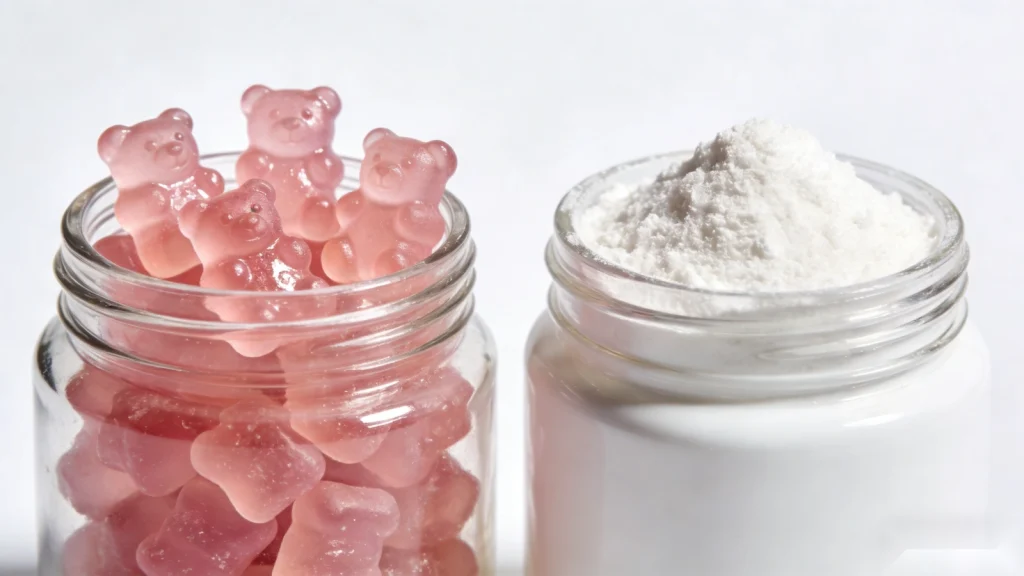
For private label brands, there is rarely a single right answer from the start. The better format depends on what the product needs to deliver, how the brand wants to position it, and what kind of daily experience the customer is actually likely to accept. A format that looks easy to market may become harder to formulate well. A format that looks stronger on paper may be less approachable in real use.
That is why this comparison matters. The real question is not whether collagen gummies or powder is universally better, but which format makes more sense for the product strategy behind the launch.
Why Brands Compare Collagen Gummies and Powder
Most consumers do not compare formats in technical language, but brands have to. The format changes far more than appearance.
A gummy product usually enters the market as a lifestyle supplement. It is easy to describe, easy to sample, and easier to package into a beauty or wellness story. It feels friendly and accessible. For many brands, that matters because the first sale often depends on presentation and ease of use.
A powder product is different. It usually attracts buyers who care more about serving size, ingredient transparency, and direct collagen intake per serving. Powder also gives formulators more room to work with higher dosages, broader ingredient systems, and clearer active positioning.
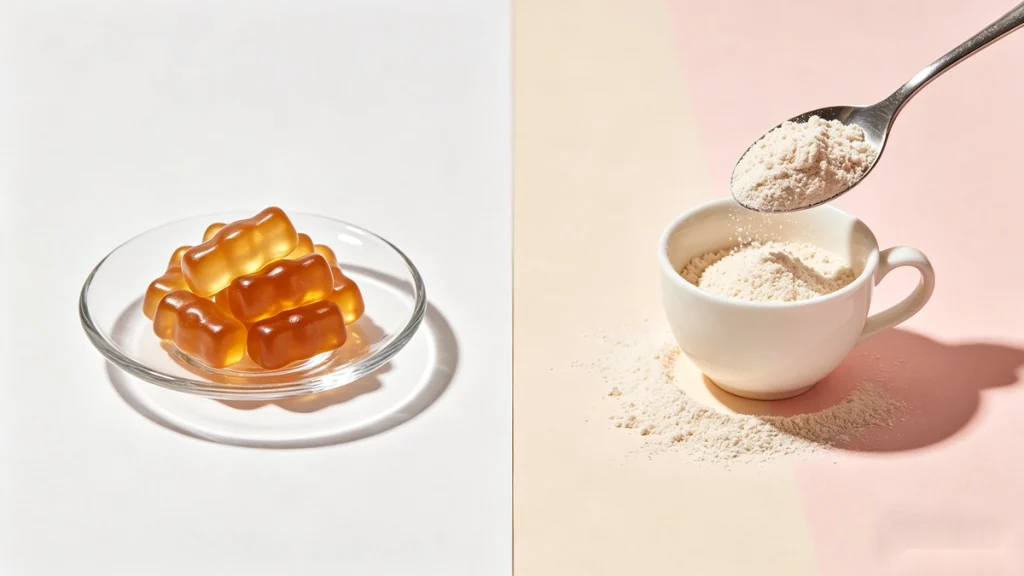
So when brands compare collagen gummies vs powder, they are usually not asking a simple product question. They are trying to work out which format fits the launch more cleanly.
In practice, the discussion usually comes down to a few practical points:
- which format fits the target customer more naturally
- which format can carry the intended collagen serving more comfortably
- which format matches the planned price point and packaging style
- which format is easier to position clearly in the market
- which format is more realistic to scale without compromising the concept
In other words, the real comparison is not just about preference. It is about product-market fit.
What Collagen Gummies Usually Offer
Collagen gummies are often chosen because they are easier to market as an everyday product. They are simple to take, have strong shelf appeal, and fit naturally into beauty, skin care, hair support, and daily wellness categories. For brands developing a beauty-focused concept, a product such as collagen gummies for skin, hair, and nail care is a good example of how this format can be positioned in a way that feels both functional and consumer-friendly.
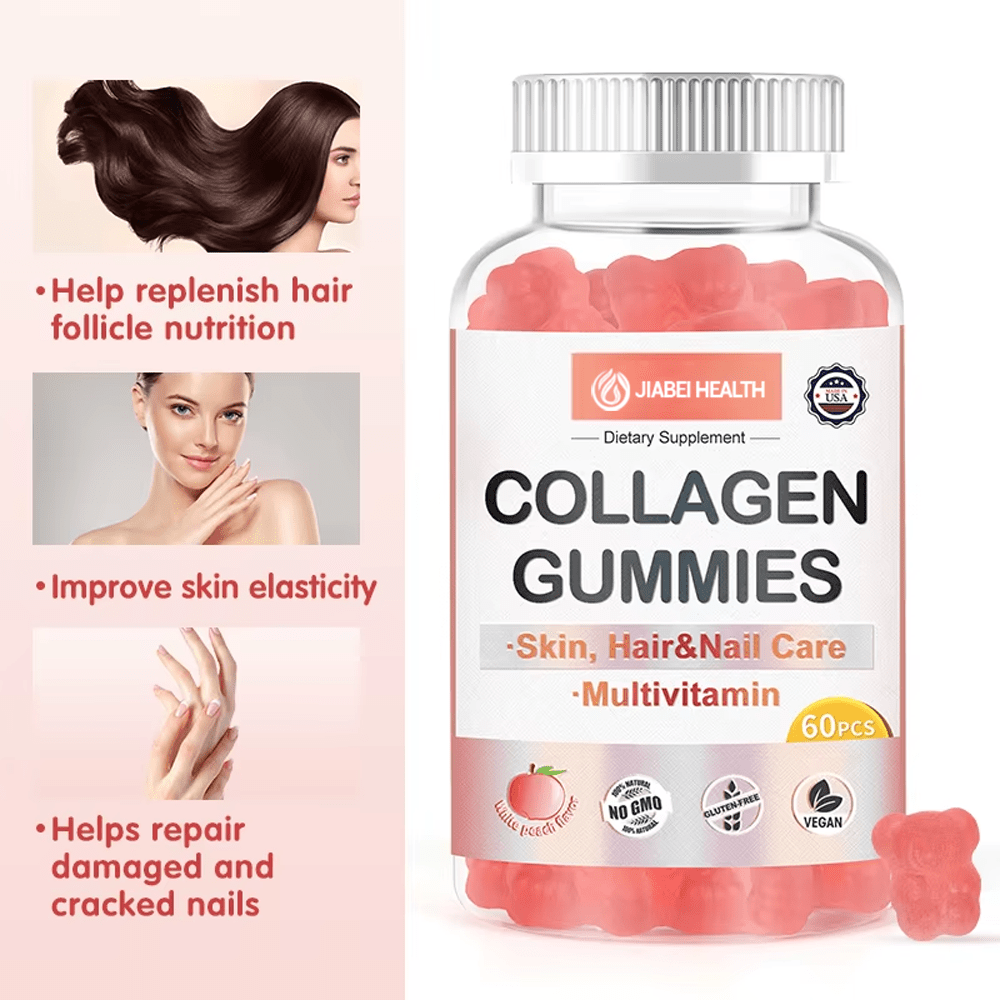
From a branding perspective, gummies have clear advantages. They are visual, enjoyable, and easier for many consumers to build into a daily routine than powders. They also work well for people who do not want to mix drinks or swallow capsules. For a brand that wants a more modern and approachable supplement, gummies often feel like the stronger retail format.
At the same time, gummies come with real formulation limits. A gummy is not simply collagen in a different shape. It is a delivery system shaped by texture, flavor, sweetening, moisture control, and gummy base stability. Once those factors enter the process, the formula usually has less room than many brands expect.
Typical strengths of collagen gummies include:
- easier daily use for mainstream consumers
- a more enjoyable taste experience
- stronger visual and social media appeal
- convenient portioning
- a strong fit for beauty-positioned products
Common limitations include:
- lower active load per serving compared with powder
- more pressure on flavor masking
- more complexity when multiple functional ingredients are added
- possible tension between taste goals and dosage expectations
- packaging cost considerations depending on bottle count and serving size
This is why collagen gummies usually work best when the product strategy is built around convenience, experience, and positioning rather than maximum collagen delivery alone.
What Collagen Powder Usually Offers
Collagen powder is often the preferred format when a brand wants to highlight collagen content more directly. It usually allows more room for meaningful serving sizes and makes it easier to build the product story around ingredient strength rather than format appeal alone. For brands developing a collagen-focused concept, multi collagen peptides powder is a good example of how this format can support a more direct and ingredient-led positioning strategy.

For many collagen products, powder is simply more flexible during formulation. It can support higher collagen input, and it is often easier to combine with additional functional ingredients when the product is designed to be mixed into a daily routine. That makes powder especially useful when the goal is to communicate substance, simplicity, or a more performance-oriented benefit profile.
Powder also gives brands more flexibility in packaging and presentation. Depending on the concept, it can be packed in jars, sachets, stick packs, or other formats that suit different price points, channels, and customer habits. This gives powder a wider range of positioning options than many brands initially expect.
Typical strengths of collagen powder include:
- higher serving potential
- clearer collagen-first positioning
- more room for formulation flexibility
- easier alignment with ingredient-led marketing
- a better fit for customers already used to drink mixes or scoop products
Common limitations include:
- lower convenience for some users
- the need to mix it into a daily routine
- taste and mouthfeel can still affect repeat purchase
- less impulse-friendly than gummies in some retail settings
- packaging experience depends heavily on execution
Powder is often the better choice when a brand wants collagen itself to remain the main value proposition, rather than relying on the format to do most of the marketing work.
Collagen Gummies vs Powder: Head-to-Head Comparison
Below is a practical comparison from a brand, product, and manufacturing perspective.
| Comparison Area | Collagen Gummies | Collagen Powder |
|---|---|---|
| Consumer experience | Easy, enjoyable, ready to eat | Requires mixing or blending into routine |
| Serving size flexibility | More limited | Usually much stronger |
| Flavor positioning | Strong retail appeal but needs careful masking | More room for higher actives, but taste still matters |
| Formula space | More restricted by gummy system | More flexible for collagen-forward formulas |
| Beauty/lifestyle branding | Strong fit | Moderate to strong depending on brand direction |
| Ingredient-first positioning | Weaker if very high dosage is needed | Stronger and easier to communicate |
| Packaging style | Bottle-friendly, giftable, shelf-attractive | Jar, pouch, sachet, stick pack options |
| Development complexity | Texture, stability, and flavor balancing are critical | Often simpler for higher active targets |
| Private label launch style | Good for mass-friendly beauty concepts | Good for performance and dosage-focused concepts |
This is where many brands realize that the format decision is not really about preference. It is about alignment. If the product goal is not matched to the format, the formula may become compromised before launch.
Dosage and Formulation Considerations
One of the most important differences between collagen gummies and powder is dosage practicality.
A brand may want to promote a collagen product aggressively, but the actual serving target has to fit the format. In gummies, that becomes challenging faster than many buyers expect. The more actives you try to fit into a pleasant, stable gummy, the more pressure you create on texture, flavor, and serving count. What looks simple on paper can become much less practical during development.
Powder usually gives more room for collagen-heavy concepts. It is often easier to build around higher serving expectations without forcing the product into an awkward number of gummies per day. This matters because consumers may love gummies in theory, but if the serving amount becomes too high or the taste becomes harder to manage, the experience can weaken.
This does not mean gummies are a poor format. It means they work better when the formula and positioning are designed around what gummies do well. Brands that succeed with collagen gummies usually understand that the format itself is part of the product value. Brands that succeed with powder usually understand that the product needs to justify a more ingredient-driven routine.
When planning a launch, brands should think carefully about:
- desired collagen content per serving
- additional actives in the formula
- number of units per daily serving
- flavor direction
- texture expectations
- label claims and market positioning
These decisions should happen early, not after packaging has already been discussed.
Taste, Convenience, and Repeat Purchase Potential
Taste and convenience matter more than many buyers admit. A collagen product can look good on paper and still struggle in the market if daily use feels inconvenient.
Gummies usually win on ease of use. They do not require a shaker, spoon, or routine adjustment. For many consumers, that alone makes them more attractive. This can support repeat purchase when the product is aimed at casual supplement users, beauty shoppers, or customers who want a simpler wellness habit.
Powder can still perform very well, but it tends to rely more on user behavior. The customer has to mix it, combine it with a drink, or incorporate it into an existing routine. For some audiences, that is normal. For others, it becomes friction.
This is why format choice should be connected to the real customer profile. If the brand is targeting a beauty-conscious consumer who wants a more enjoyable daily supplement, gummies may have a stronger pull. If the brand is targeting a customer who reads serving sizes carefully and expects a more concentrated collagen product, powder may feel more credible.
Convenience is not just about portability. It is about how easily the product fits into everyday behavior.
Packaging and Brand Positioning Differences
Packaging can quietly change the whole direction of the project.
Collagen gummies are usually packaged in bottles, and that often supports a polished, consumer-friendly look. The bottle itself becomes part of the brand experience. It can feel colorful, modern, and easy to place in a beauty or wellness lineup. This is one reason gummies perform well for visually driven retail categories.
Powder creates different packaging choices. A jar may suggest substance and value. A pouch may reduce packaging cost. A stick pack format can make the product feel more premium, portable, or travel-friendly. In other words, powder does not have one fixed identity. It can be positioned in multiple ways depending on market strategy.
This matters for private label brands because packaging is not just a final step. It affects cost, perception, storage, shipping, and merchandising. A collagen gummy in a bottle tells one story. A collagen powder in a pouch or jar tells another.
Before selecting format, brands should ask:
- Is the product meant to feel premium, playful, clinical, or lifestyle-driven?
- Will the packaging be sold online, in retail, or through distributors?
- Is the visual story as important as the ingredient story?
- Does the target market respond better to convenience or concentration?
The answers will often point clearly toward gummies or powder.
Collagen Gummies vs Powder: Which Format Is More Cost-Effective?
There is no fixed answer to which format is more cost-effective, because the answer changes with the product concept.
Gummies may look easier to sell, but they can become more demanding when serving count, flavor masking, bottle size, and texture consistency all have to work together. Powder may look simpler from a formula perspective, but packaging format, flavor system, and presentation can still shift the economics in important ways.
In practice, brands should not ask which format is cheaper in the abstract. A better question is which format creates the most workable balance between formula target, packaging plan, daily serving design, and market positioning. That is usually where the real cost discussion begins.
Which Format Works Better for Different Brand Goals
The answer usually depends on what the brand is trying to make easier.
If the priority is convenience, visual appeal, and a more approachable daily routine, gummies often make the stronger first impression. They are easier to sample, easier to present on social media, and often easier for first-time buyers to accept.
If the priority is collagen dosage, formulation room, and a more ingredient-led product story, powder is usually the better fit. It gives the brand more space to build the concept around what is in the formula, rather than relying on the format itself to carry the appeal.
This is why the same collagen idea can lead to two very different product directions. A beauty-focused line aimed at everyday use may work better as gummies. A more concentrated product aimed at experienced supplement users may make more sense as powder. Neither direction is automatically better. The better one is the one that matches the commercial goal without creating unnecessary compromises in formula, serving size, or user experience.
A simple way to look at it is this:
- choose gummies when ease of use, taste, and visual positioning are central to the launch
- choose powder when serving strength, formula flexibility, and ingredient-first communication matter more
What Private Label Brands Should Check Before Choosing a Format
Before choosing between collagen gummies and powder, private label brands need to look beyond what is trending. The right format should match the formula, the customer experience, and the commercial plan behind the launch.
Start with the role collagen is supposed to play in the product. If it is the main selling point, working with a powder supplement manufacturer usually gives you more room to build around dosage and ingredient clarity. If the product is designed more as a convenient beauty or daily wellness item, working with a gummy supplement manufacturer may make the concept easier to position and sell.
It is also important to review the formula before locking in the format. Many brands choose a format first because it looks easier to market, then realize later that the ingredient load, flavor system, or serving expectation does not fit as smoothly as expected. That usually creates compromises that could have been avoided earlier.
The user experience matters just as much. A gummy may feel more approachable, but the serving count still has to feel reasonable. A powder may allow more flexibility, but it also depends on flavor, mixability, and whether the customer is willing to build it into a daily routine. These small details often shape repeat purchase more than brands expect.
Cost planning should be part of the same conversation. Bottle count, fill style, packaging presentation, and serving format can all change the economics of the project. A strong private label concept is not only attractive in the market. It also needs to make sense in production and remain workable as volume grows. This is often the point where brands start looking more closely at their broader manufacturing plan instead of treating format as a standalone choice.
Can a Brand Offer Both Collagen Gummies and Powder?
Yes, and in some cases that is the strongest strategy.
A single format does not have to carry the entire collagen line. Some brands use gummies as the more approachable daily product and use powder as the higher-intensity or more ingredient-focused option. This allows the brand to serve different buying habits without forcing one format to do everything.
For example, gummies may work well as the entry product that attracts a broader audience. Powder may work better as the follow-up product for customers who want a stronger routine or a more concentrated collagen concept.
The key is to avoid copying the same positioning twice. If both formats are offered, each one should have a clear role inside the product line. Otherwise, the line may become repetitive rather than strategic.
Final Thoughts
When brands compare collagen gummies vs powder, they are usually trying to avoid a mismatch later in development. A format that looks attractive in the market still has to work in the formula, the serving design, and the customer’s daily routine.
Gummies often make more sense when the product depends on convenience, taste, and a more approachable retail experience. Powder usually makes more sense when the product depends on higher serving targets, more formulation room, and a clearer collagen-first message.
The strongest launches usually happen when the format supports the product idea from the beginning instead of forcing the team to compromise later. That is why the better choice is rarely the one that sounds best in theory. It is the one that fits the product strategy most naturally.
FAQ
Are collagen gummies better than powder?
Not necessarily. Gummies are often stronger for convenience, taste, and beauty-oriented positioning, while powder is usually stronger for higher serving sizes and more formulation flexibility. The better format depends on what the product is meant to achieve and how the brand wants it to be used.
Can collagen gummies and powder be sold in the same product line?
Yes. Many brands can benefit from offering both formats, as long as each product has a clear role and is positioned for a different use case or consumer preference.
Why do brands often choose gummies even when powder allows higher dosage?
Because dosage is only one part of the buying decision. Gummies are often easier to market, easier to sample, and easier for many customers to build into a daily habit. For some launches, that makes them commercially stronger even if powder allows a higher active load.
What should a brand check before choosing collagen gummies or powder?
A brand should review serving goals, formula complexity, target audience, flavor expectations, packaging direction, and the commercial role of the product before locking the format.
Is collagen powder easier to formulate than gummies?
In many cases, yes, especially when the product needs a stronger active profile. Gummies involve more constraints around taste, texture, and stability, which can narrow formulation space.