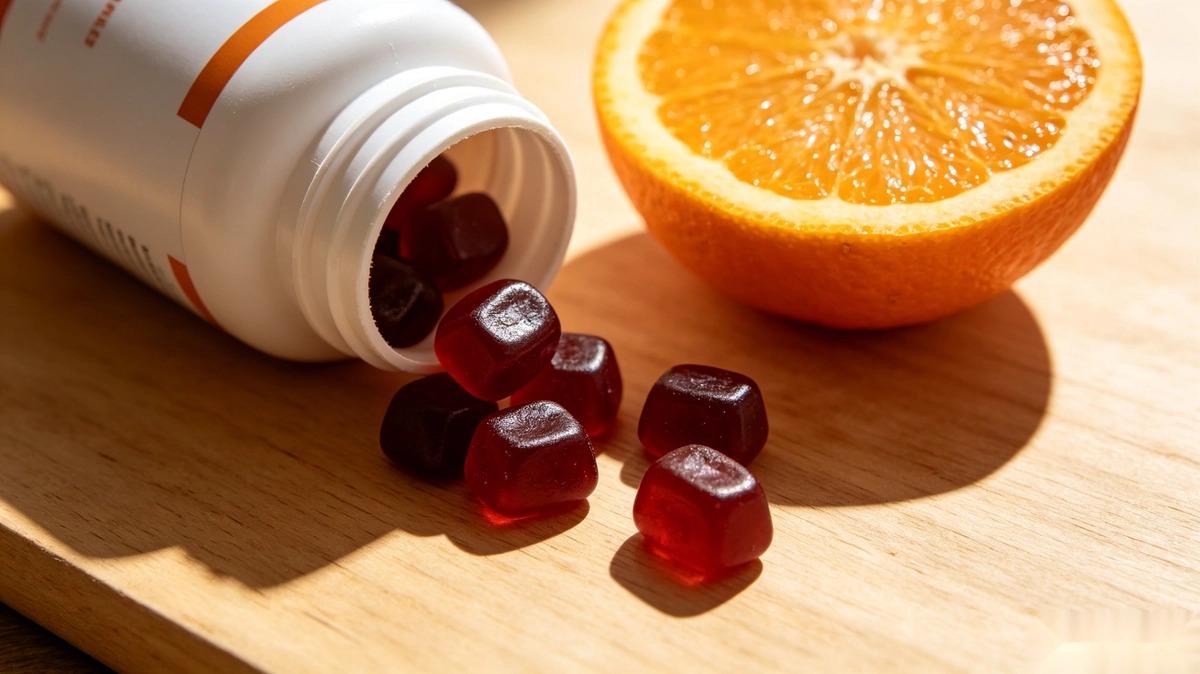
Electrolyte gummies look simple on a product page.
In production, they are not.
The idea is easy to understand: put sodium, potassium, magnesium, or other electrolytes into a gummy, make it taste good, and sell it as a convenient hydration supplement. For some brands, that can work very well.
But electrolyte gummies are not just electrolyte powder in a softer form. A gummy has less room for minerals. It has to taste pleasant. It cannot be too salty, too bitter, too sticky, or too soft. If the formula is pushed too far, the product can become hard to manufacture and even harder to sell.
That is why brands should ask one question before developing electrolyte gummies:
Are we building a convenience-focused hydration product, or are we trying to deliver a high-dose sports hydration formula?
Those are two different products.
What Are Electrolyte Gummies?
Electrolyte gummies are chewable supplements made with minerals such as sodium, potassium, magnesium, calcium, or chloride. These minerals are often discussed in relation to fluid and electrolyte balance, which is why they are commonly used in hydration-focused formulas.
Most electrolyte gummies are not designed to replace water, sports drinks, or oral rehydration products. They are usually made for lighter, everyday use cases: travel, warm weather, outdoor activities, light workouts, or daily wellness routines.
That positioning matters.
A gummy can be easy to carry and easy to take. But it does not provide water by itself. It also may not carry enough electrolytes for heavy sweating, endurance training, or high-sodium sports nutrition.
So the format can make sense, but only when the product promise is realistic.
The Hard Part Is Not Adding Electrolytes
Electrolytes can be added to gummies. That is not the main challenge.
The hard part is adding enough electrolytes while keeping the gummy pleasant to eat.
Sodium can taste salty. Magnesium can bring bitterness or a dry mineral note. Potassium can also affect taste depending on the source and dosage. Once the mineral level gets too high, flavor masking becomes difficult.
Texture is another issue. A gummy needs the right chew, moisture, and stability. If the formula carries too much mineral content, the final product may become less stable or less enjoyable. In hot weather or long-distance shipping, stickiness can also become a real problem.
This is where many early product ideas need adjustment.
A brand may start with a strong electrolyte target on paper, then discover during sampling that the gummy tastes too salty, the serving size is too large, or the sugar-free version has an aftertaste.
That does not mean electrolyte gummies are a bad idea. It means the format has to be respected.
Electrolyte Gummies vs Powder vs Stick Packs
The best format depends on what the customer needs the product to do.
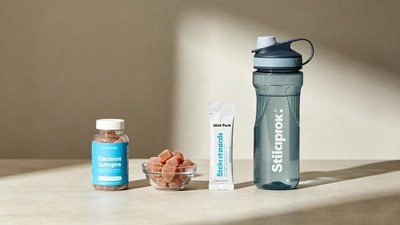
| Format | Best Fit | Strength | Limitation |
|---|---|---|---|
| Electrolyte gummies | Travel, daily wellness, light hydration | Easy to take, good consumer experience | Limited mineral loading |
| Electrolyte powder | Sports hydration, higher-dose formulas | More room for sodium and other minerals | Needs water and mixing |
| Stick packs | Gym, outdoor, travel, e-commerce bundles | Portable and easy to portion | Taste masking still matters |
| Ready-to-drink products | Immediate hydration | Provides water and electrolytes together | Heavier shipping and higher packaging cost |
| Tablets or chews | Compact sports use | Simple and portable | Texture and dosage limits |
If the goal is a convenient hydration supplement for everyday use, gummies can be a strong format.
If the goal is a higher-dose electrolyte formula, especially one with more sodium, powder or stick packs usually give formulators more space to work with. For those products, a powder supplement manufacturer may be a better starting point than a gummy line.
This is not about saying one format is better than another. It is about matching the format to the product.
Where Electrolyte Gummies Work Well
Electrolyte gummies work best when convenience is the main selling point.
They fit people who do not want to mix powder, carry a shaker, or drink a full bottle of flavored liquid. A bottle or pouch of gummies can sit in a gym bag, travel bag, office drawer, or outdoor backpack.
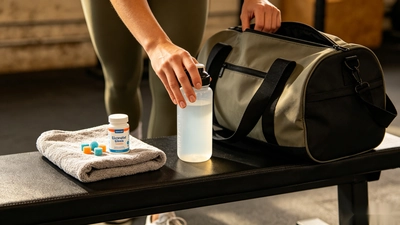
That makes them useful for:
light workouts
hot weather
travel days
hiking or camping
daily wellness routines
lifestyle sports brands
This is where the format feels natural.
The customer is not necessarily looking for the strongest electrolyte product on the market. They want something simple, portable, and easy to take.
For lifestyle wellness brands, that is the opportunity. Electrolyte gummies can sit next to vitamin gummies, energy gummies, beauty gummies, or sleep gummies as part of a broader daily supplement line.
But the claim still needs to stay honest. “Hydration support” is more reasonable than aggressive performance language. Brands should also be careful with wording around recovery, energy, performance, or electrolyte replacement. The FDA’s page on dietary supplement label claims is a useful reference when reviewing claim direction.
Where Gummies Are the Wrong Format
Gummies are not the best choice when the formula needs a heavy electrolyte load.
If the product is designed for endurance athletes, heavy sweating, or strong sports hydration positioning, gummies can become limiting very quickly. The serving size may need to increase. The taste may become harder to cover. The texture may suffer.
Sugar-free electrolyte gummies are even more difficult.
Sugar is not only there for sweetness. It also affects chew, body, moisture, and stability. Once sugar is reduced or removed, the formula needs a different sweetener and texture system. At the same time, the mineral taste still has to be covered.
That is why a sugar-free electrolyte gummy can be attractive on the label but challenging in sampling.
For brands that need a higher-dose, sugar-free hydration format, sugar-free electrolyte stick packs may be more flexible than gummies.
The same issue comes up with keto-focused formulas that combine BHB with sodium, potassium, or magnesium. Before locking in the dosage form, a keto supplement manufacturer should look at the total active load, serving size, and taste risk together.
A gummy is a good format when convenience matters most. It is not always the best format when mineral loading matters most.
What Brands Should Decide Before Sampling
Before asking a manufacturer for samples, brands should make a few decisions.
First, define the use case. Is the product for travel, daily wellness, light fitness, outdoor use, kids, or sports nutrition? A casual hydration gummy should not be built like a high-sodium sports product.
Second, decide the electrolyte direction. Sodium, potassium, magnesium, and calcium each affect taste and formulation differently. The target dose should be discussed early because it affects gummy size, flavor, texture, and cost.
Third, choose the gummy base. Pectin is usually preferred for vegan gummies. Gelatin gives a different chew. The right choice depends on market positioning, texture preference, and label requirements.
Fourth, decide the sugar level. Regular, low-sugar, and sugar-free gummies are not minor variations. They are different formulation projects.
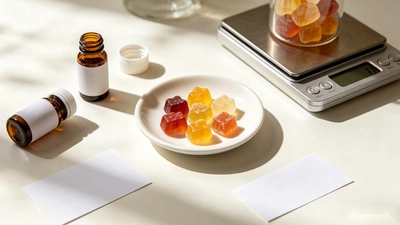
Flavor also deserves attention. Citrus, lemon-lime, orange, berry, watermelon, and tropical flavors often work better for electrolyte products because they pair more naturally with mineral notes.
Packaging should not be treated as an afterthought either. Electrolyte gummies may need moisture control, desiccants, suitable bottle or pouch materials, and stability checks for warm-weather shipping.
These details are not exciting, but they decide whether the final product feels professional.
How a Gummy Manufacturer Can Help
An experienced manufacturer should help brands test the product idea before bulk production.
That includes checking whether the target mineral dose is realistic, whether the taste can be covered, whether the gummy base fits the market, and whether the product can remain stable in storage and shipping.
Working with a gummy supplement manufacturer can help brands test mineral dosage, texture, flavor masking, sugar level, and packaging before moving into production.
This is especially important for electrolyte gummies because the problems are not always obvious in the concept stage.
A formula may look good on paper but taste too salty in the first sample. A sugar-free version may need more work on aftertaste. A gummy may need packaging changes to reduce stickiness. A serving size may need to be adjusted because the original mineral target was too ambitious.
These are normal development issues. The key is to catch them early.
Final Takeaway
Electrolyte gummies make sense when the product is built around convenience, taste, portability, and light hydration support.
They make less sense when the goal is high-dose electrolyte delivery or serious sports hydration.
For brands, the format decision should come before the formula decision. Do not start with “we want gummies” just because gummies are popular. Start with the customer use case.
If the customer needs something easy to carry and pleasant to take, electrolyte gummies can be worth developing.
If the customer needs a stronger mineral dose, powder or stick packs may be the better route.
FAQ
Do electrolyte gummies really work?
Electrolyte gummies can provide minerals such as sodium, potassium, magnesium, and calcium. Their usefulness depends on the dosage and use case. They are usually better for light hydration support than high-intensity electrolyte replacement.
Are electrolyte gummies better than powder?
Not always. Gummies are easier to take and more convenient. Powder usually works better when the product needs higher electrolyte loading or a stronger sports hydration position.
Can electrolyte gummies be sugar-free?
Yes, but sugar-free electrolyte gummies are harder to formulate. The formula has to manage sweetness, chew, texture, stability, and mineral taste at the same time.
What electrolytes are commonly used in gummies?
Common options include sodium, potassium, magnesium, calcium, and chloride sources. The right choice depends on dosage, taste, label goals, and the final gummy texture.
Are electrolyte gummies good for sports brands?
They can work for light fitness, gym, yoga, outdoor, and lifestyle sports products. For endurance sports or high-sodium hydration formulas, powders or stick packs are usually more practical.