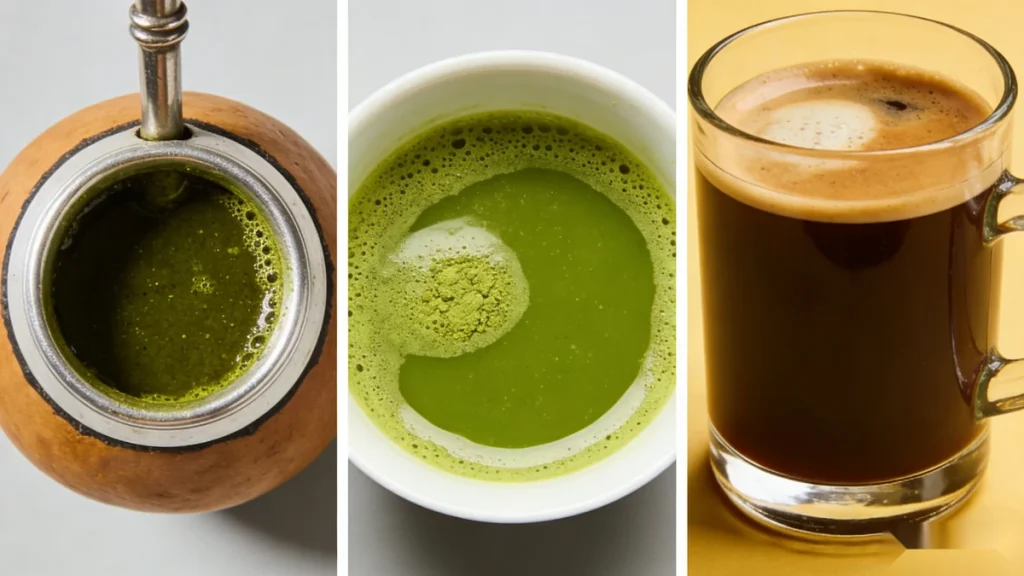
Natural caffeine ingredients are widely used in modern energy supplements and functional beverages. While coffee has long been the most recognized caffeine source, botanical ingredients such as yerba mate and matcha are increasingly used in nutraceutical formulations.
Each ingredient offers a different caffeine profile, flavor characteristic, and functional benefit. For supplement manufacturers and beverage brands, understanding the differences between yerba mate vs matcha vs coffee helps determine which ingredient is most suitable for specific product formulations.
In many cases, companies developing energy supplements work with a professional supplement OEM manufacturer para evaluar la compatibilidad de los ingredientes, los niveles de cafeína y la escalabilidad de la producción.
What Is Yerba Mate?
Yerba mate is derived from the plant Ilex paraguariensis, traditionally consumed as a brewed herbal beverage in South America. In recent years, it has become a popular ingredient in energy supplements due to its natural caffeine content and complex phytochemical profile.
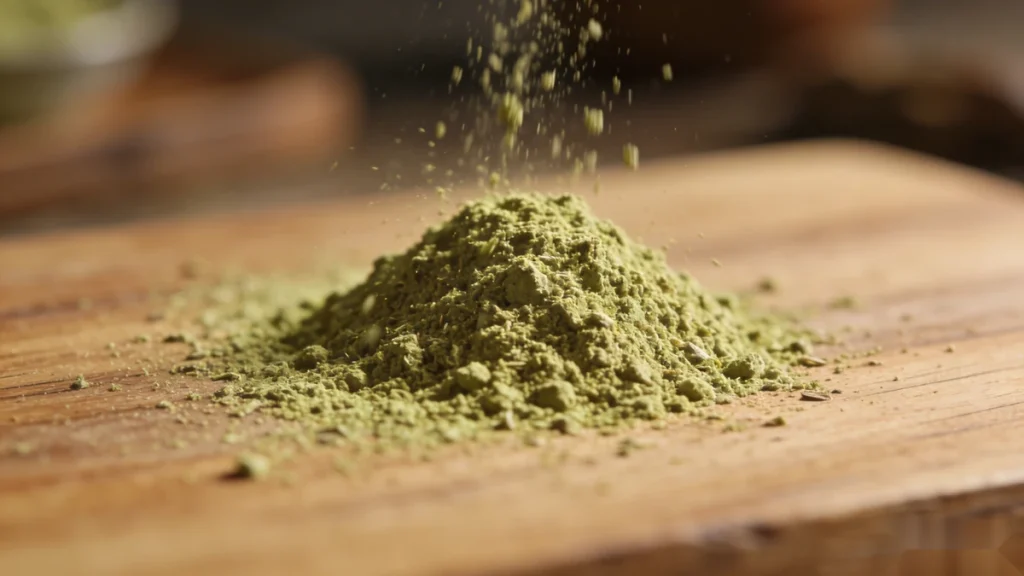
Compared with synthetic caffeine, yerba mate contains additional compounds such as polyphenols and theobromine, which may contribute to smoother energy effects.
In supplement manufacturing, yerba mate is commonly used in:
- polvos para bebidas energéticas
- suplementos en cápsulas
- functional beverage blends
- cognitive support formulas
Because of its versatility, many companies source yerba mate bulk ingredients when developing natural energy products. For larger projects, evaluating supplier reliability, raw material consistency, and long-term supply planning becomes an essential part of the development process.
What Is Matcha?
Matcha is a finely ground powder made from specially grown green tea leaves. Unlike regular green tea, matcha contains the entire leaf, which results in higher concentrations of antioxidants and amino acids such as L-theanine.
Matcha is widely used in:
- wellness beverage powders
- focus and productivity supplements
- antioxidant drink blends
The presence of L-theanine in matcha often produces a more balanced energy effect compared with coffee.
What Is Coffee?
Coffee remains one of the most common caffeine sources globally. Coffee beans contain naturally high caffeine levels and are widely used in beverages, supplements, and energy products.
In nutraceutical formulations, coffee-derived caffeine is typically used in:
- energy capsules
- suplementos de nutrición deportiva
- stimulant-based products
However, some brands prefer botanical alternatives such as yerba mate due to flavor flexibility and smoother stimulation.
Yerba Mate vs Matcha vs Coffee: Caffeine Content Comparison
One of the most important differences between these ingredients is caffeine concentration.
| Ingrediente | Typical Caffeine (per serving) | Características |
|---|---|---|
| Yerba mate | 70–90 mg | Smooth and sustained energy |
| Matcha | 40–70 mg | Balanced energy with L-theanine |
| Café | 90–120 mg | Strong and fast stimulation |
While these ranges provide a useful reference point, many product developers take a closer look at the typical caffeine profile of yerba mate when adjusting formulation strength and serving size.
Yerba mate often provides a middle ground between matcha and coffee. It delivers noticeable stimulation while maintaining a more balanced energy profile compared with high-dose coffee caffeine.
Energy Effects and Functional Differences
Beyond caffeine content, the overall energy experience differs between these ingredients.
Yerba mate
- Smooth energy release
- Often used in sustained energy formulas
- Compatible with adaptogens and mushroom extracts
Matcha
- Calm focus due to L-theanine
- Popular in wellness beverage powders
- Common in antioxidant drink blends
Café
- Fast stimulation
- Higher caffeine intensity
- Often used in sports performance products
These differences explain why supplement brands often choose different caffeine sources depending on the intended product category.
Which Ingredient Works Best for Energy Supplements?
For energy supplements and functional beverage powders, yerba mate has become an increasingly popular choice. It provides natural caffeine while blending well with other nutraceutical ingredients such as mushrooms, adaptogens, and amino acids.
Functional drink powders are one of the fastest-growing supplement formats in the industry. Yerba mate works particularly well in powdered beverage formulations because it disperses easily and delivers consistent caffeine levels.
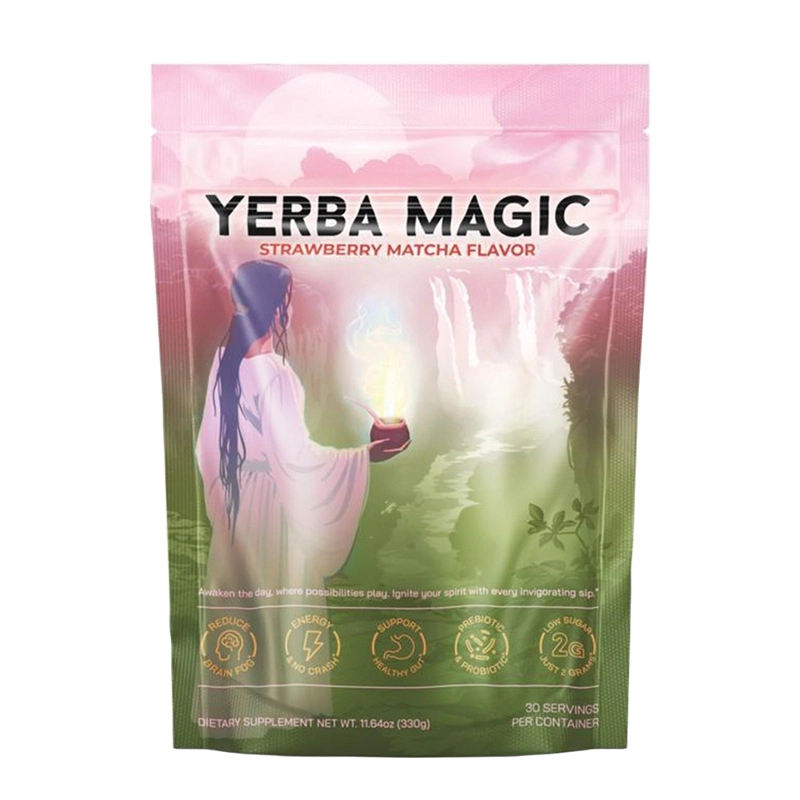
Common functional beverage products include:
- mushroom-based energy drink powders
- mezclas de bebidas adaptogénicas
- low-sugar functional drink mixes
Por ejemplo, formulaciones como yerba mate mushroom energy drink powder combinan fuentes botánicas de cafeína con ingredientes como el hongo melena de león, probióticos y L-teanina para crear suplementos energéticos equilibrados diseñados para los mercados actuales de bienestar.
How Manufacturers Use Yerba Mate in Supplement Formulations
In modern nutraceutical manufacturing, yerba mate is widely used as a natural caffeine ingredient in multiple product formats.
Entre ellos se encuentran:
- polvos para bebidas energéticas
- suplementos en cápsulas
- functional beverage concentrates
- adaptogenic drink blends
Companies developing these products typically evaluate ingredient quality, extract standardization, and manufacturing capabilities before scaling production.
Buyers also review certificaciones de los fabricantes de suplementos to ensure that ingredient suppliers meet international safety and quality standards.
Conclusión
The comparison of yerba mate vs matcha vs coffee highlights how different natural caffeine ingredients serve different purposes in supplement and beverage formulations.
Coffee provides the strongest stimulation, matcha offers a balanced focus effect, and yerba mate delivers a smooth middle ground suitable for modern energy products.
For nutraceutical brands and beverage companies, yerba mate has become a flexible ingredient that works well in drink powders, capsules, and functional beverage blends. Understanding these differences helps manufacturers choose the most appropriate caffeine source for their formulations and product positioning.
Preguntas frecuentes
Yerba Mate vs Matcha: Which Has More Caffeine?
Yerba mate generally contains more caffeine than matcha. A typical serving of yerba mate provides around 70–90 mg of caffeine, while matcha usually contains 40–70 mg depending on preparation and leaf quality.
¿La yerba mate es más fuerte que el café?
Coffee typically contains more caffeine than yerba mate. However, many consumers report that yerba mate provides a smoother and more sustained energy effect compared with coffee’s faster stimulation.
Why do supplement brands use yerba mate instead of coffee?
Many supplement manufacturers prefer yerba mate because it blends well with other functional ingredients such as adaptogens, mushroom extracts, and amino acids. It also provides a natural caffeine source suitable for energy drink powders and nutraceutical formulations.
Can yerba mate and matcha be used in energy supplements?
Yes. Both yerba mate and matcha are widely used in functional beverages and energy supplements. Yerba mate is commonly used for sustained energy formulas, while matcha is often used in focus or antioxidant drink blends.