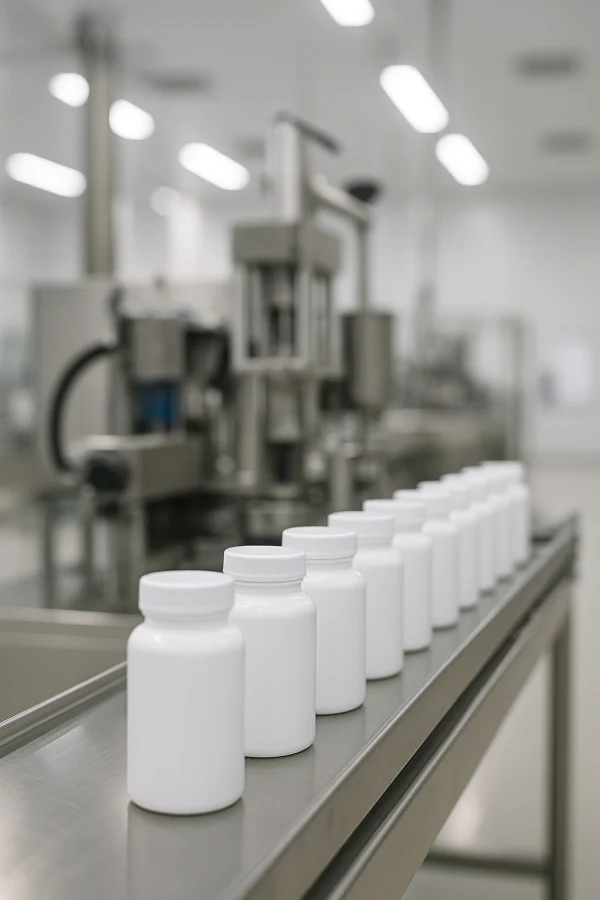
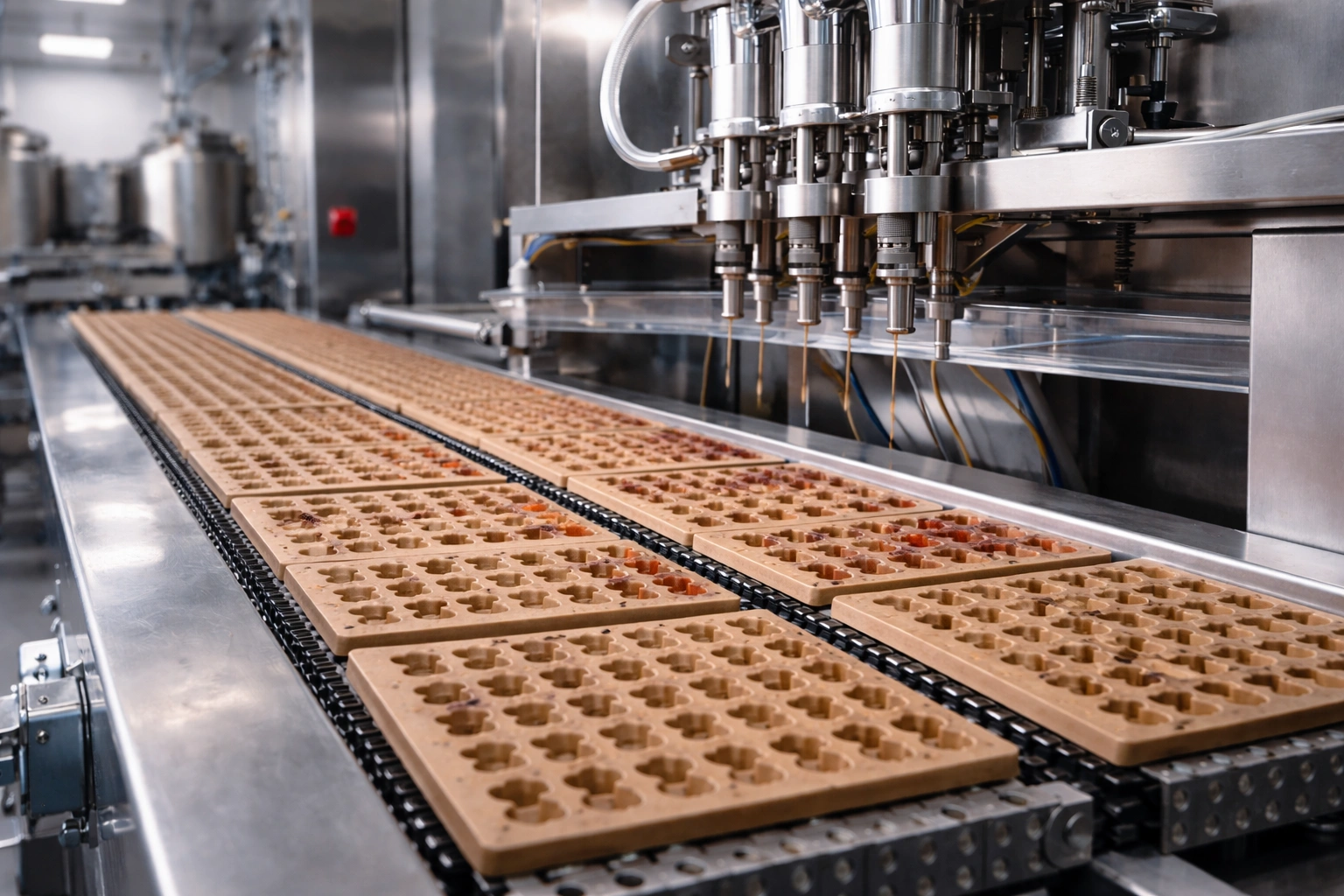
Why Functional Mushroom Gummies Matter for B2B Buyers
Functional mushroom gummies have moved beyond niche appeal to become a mainstream supplement trend. Brands and distributors are attracted by their ease of use, consumer appeal, and flexibility in formulation. Gummies blend the power of adaptogenic mushrooms with appealing formats that customers actually enjoy. For B2B buyers, these products represent a compelling blend of potent health positioning and commercial viability.
Market Growth and Sourcing Trends in Mushroom Gummies
The functional mushroom supplement category is growing rapidly, with multi-species blends—featuring Lion’s Mane, Reishi, Cordyceps, Turkey Tail, and Chaga—leading demand. Distributors are increasingly searching for phrases like “functional mushroom gummies OEM,” “private label mushroom supplements,” and “bulk lion’s mane extract supplier.” These keyword patterns guide product sourcing and partner selection in a competitive market.
Selecting Mushroom Ingredients that Resonate with Consumers and Buyers
- Lion’s Mane: Known for memory and focus support. B2B buyers look for fruiting body extracts with verified beta-glucan levels and COA documentation.
- Reishi & Turkey Tail: Immune-supportive mushrooms. Suppliers must provide triterpene or beta-glucan assays and clear sourcing transparency.
- Cordyceps: Associated with stamina and energy. Buyers ask for cordycepin content and heavy metal testing in COAs.
- Chaga, Shiitake, Maitake: Antioxidant and metabolic support mushrooms. Quality control and consistent extract strength are key for B2B acceptance.
The Rise of Gummies: Why They Outperform Capsules and Powders
Consumers favor gummies for flavor, convenience, and format novelty. They also offer packaging and branding advantages. For buyers, gummies open channels into lifestyle, beauty, and family wellness segments. However, mold stability, sugar alternatives, and active retention must be managed carefully by your OEM partner.
What B2B Buyers Need from an OEM Partner
- COA Transparency: Batch-specific certificates verifying heavy metals, microbiological safety, and active compounds.
- Certifications: GMP, HACCP, FSSC 22000, Halal, Kosher—these drive trust and access into regulated markets.
- Custom Formulations: Ability to tailor extract ratios, blends, sweetness, and base (e.g., pectin gummies, low-sugar options).
- Export-Ready Packaging: Multi-language labeling, nutrition panels, and claim compliance (US, EU, ASEAN guidelines).
MOQ, Pricing, and Lead Time Benchmarks
Typical OEM terms include:
- MOQ: 500 bottles for new formulations.
- Lead time: 15–30 days from formulation approval; expedited options (7–15 days) available for stock formulas.
- Pricing depends on extract dosage, mushroom blend complexity, and packaging choice.
Strategies for Private Label Branding
- “Brain + Immune Support” messaging—combine Lion’s Mane with Reishi or Turkey Tail.
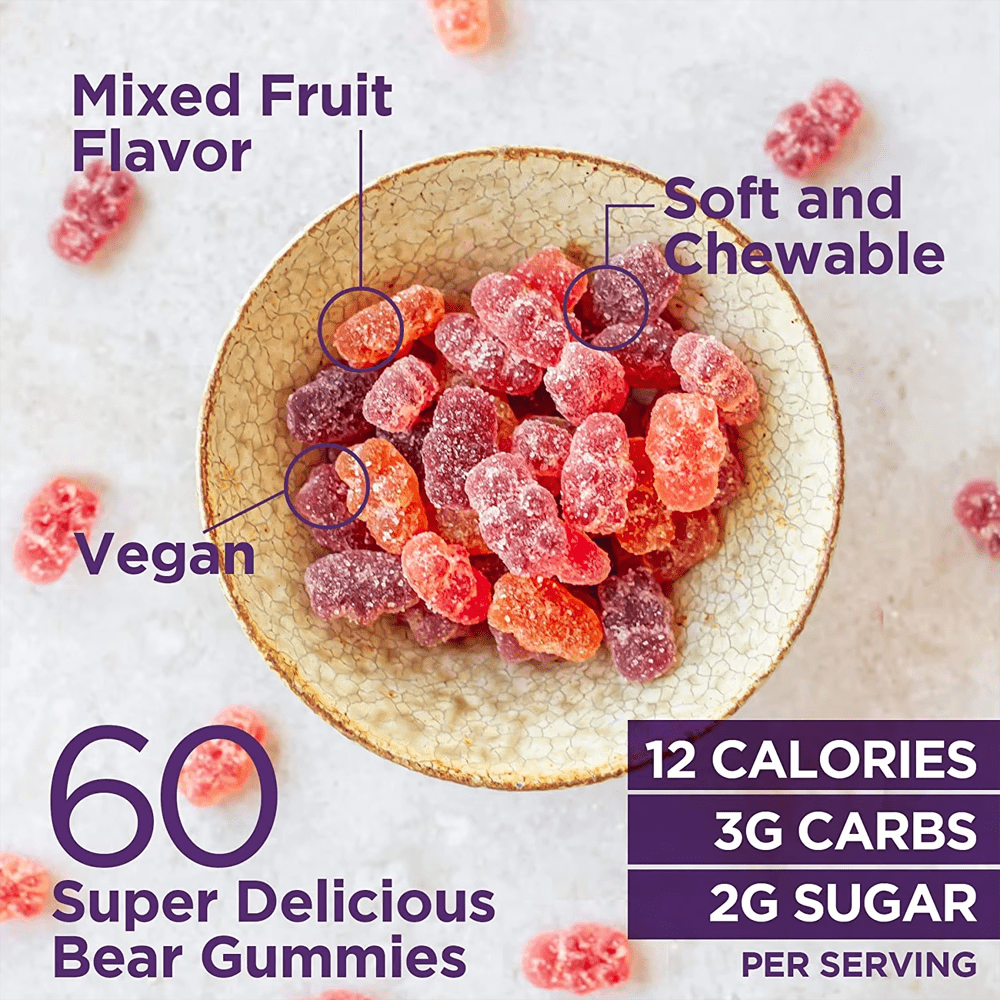
- Clean-label credentials—vegan, natural fruit flavor, plant-based gelling agents, low sugar.
- Transparency in marketing—include visual COA, photos of production lines, and certification badges.
Product Example for Inspiration
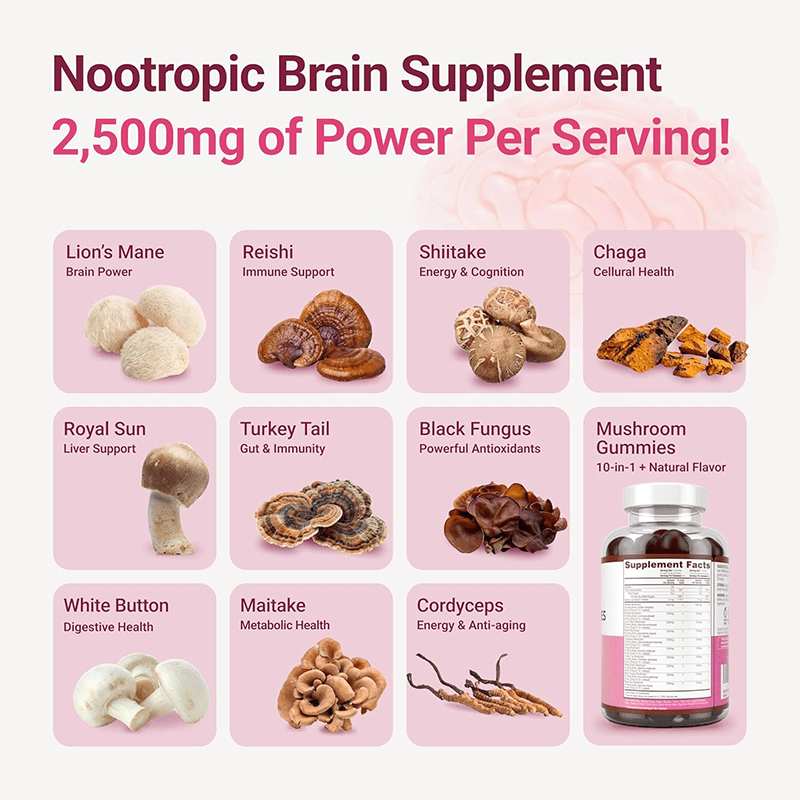
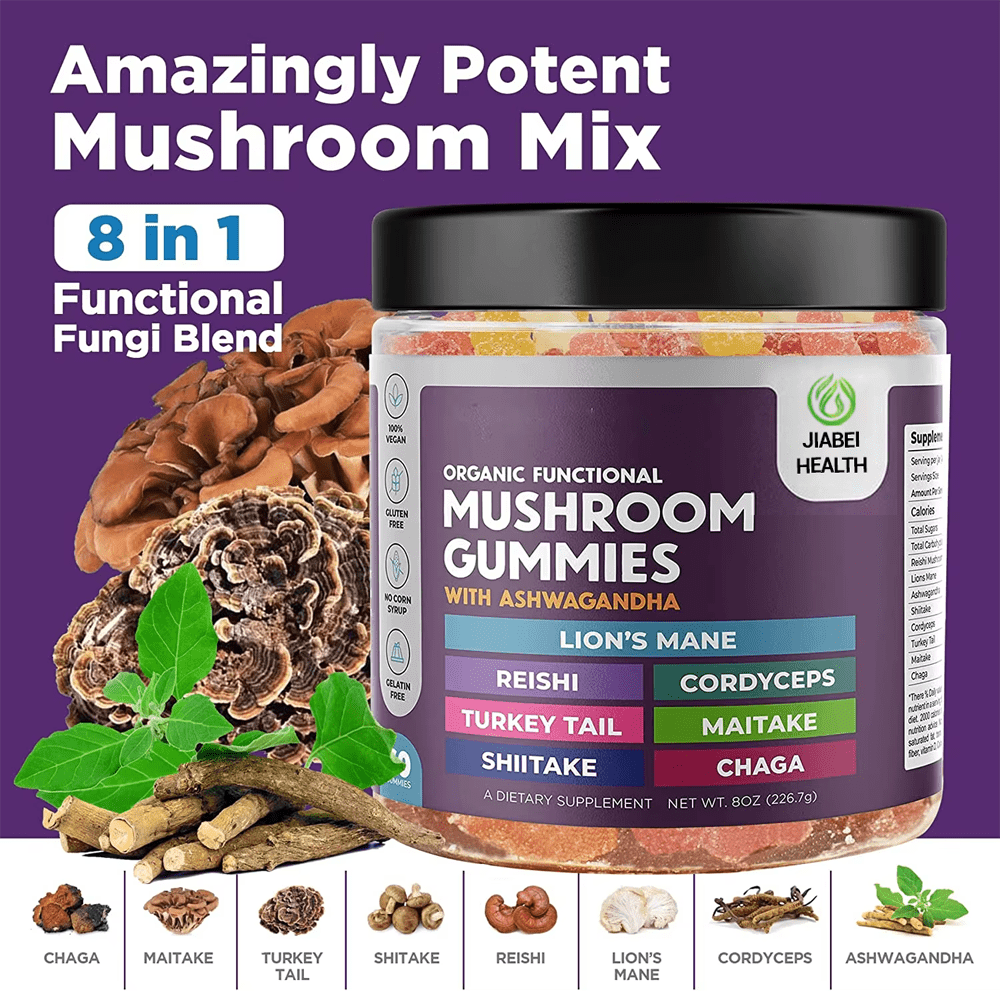
One example of a multi-mushroom private label formula is our 10-Mushroom Complex Gummies with Lion’s Mane. It illustrates how cognitive, immune, and antioxidant ingredients can be combined into a market-ready gummy.
Channels to Showcase Your Mushroom Gummies
- Trade shows such as Vitafoods Europe, SupplySide West, and Natural Products Expo.
- B2B platforms like Alibaba, Global Sources, and direct inquiries through manufacturer websites.
- SEO-focused content marketing—blogs, LinkedIn thought leadership, and targeted outreach to supplement brand buyers.
B2B Compliance Checklist for Mushroom Gummies
- Species authentication and extract ratio documentation.
- Batch COAs with active compounds, contaminants, and microbiological testing.
- GMP and food safety certifications.
- Label compliance with regional regulations.
- Export documentation and customs-ready paperwork.
Conclusion
Functional mushroom gummies are a high-growth opportunity that blends health benefits with consumer convenience. For brands entering or scaling in this category, selecting a manufacturing partner with rigorous quality control, transparency, and private label services is essential. By optimizing your product messaging, transparency, and distribution strategy, you can successfully tap into both retail and online demand in this thriving supplement niche.
FAQ
What types of mushrooms are typically used in functional mushroom gummies?
Common species include Lion’s Mane, Reishi, Cordyceps, Turkey Tail, Chaga, Maitake, Shiitake, Agaricus blazei, Tremella and Oyster. Each species targets different benefits such as cognition, immunity, antioxidant or metabolic support.
Can I create a custom mushroom gummy formula for my brand?
Yes. OEM/private label services typically allow customization of mushroom blends, extract ratios, dosage per serving, flavor, gummy base (pectin or gelatin), color and packaging options.
Are functional mushroom gummies suitable for vegan or plant-based consumers?
They can be. Ask for pectin-based gummies and verify all excipients and processing aids. Request full ingredient declarations and COAs to confirm vegan compliance.
What certifications should I expect from a reliable manufacturer?
Key certifications include GMP, HACCP or FSSC 22000 for food safety, plus optional Halal, Kosher, and Organic depending on target markets. Batch COAs are essential for each shipment.
How long does it take to produce private label mushroom gummies?
Typical lead times range from 4 to 8 weeks from formula sign-off to finished goods, depending on ingredient sourcing, packaging lead time, and regulatory checks. Stock formulas can shorten lead time to 2–3 weeks.
What is the minimum order quantity (MOQ) for mushroom gummy production?
MOQs vary by manufacturer and packaging. Common MOQs are between 1,000 and 5,000 units for custom formulations. Lower MOQs may be available for stock formulas or shared production runs.
Can functional mushroom gummies be exported internationally?
Yes. Export requires compliance with the destination country’s food supplement rules, correct labeling, and supporting documents such as COAs, Certificate of Origin and any required export permits or registrations.
Do functional mushroom gummies lose potency over time?
Potency can decline if exposed to heat, humidity or light. Proper formulation, moisture control, and sealed packaging typically preserve potency for 18–24 months. Always request stability data and shelf-life testing.
What is the difference between multi-mushroom complex gummies and single-mushroom gummies?
Multi-mushroom complexes provide broad-spectrum benefits by combining species for complementary effects, while single-mushroom gummies focus on a specific benefit (e.g., Lion’s Mane for cognition). Multi-species formulas require more validation for extract ratios and sensory balance.
How do I ensure my mushroom gummies comply with local supplement laws?
Work with a manufacturer experienced in your target market. Confirm allowable claims, required statements, nutrient panel formats, and any registration processes. Manufacturers should provide labeling support and regulatory guidance.