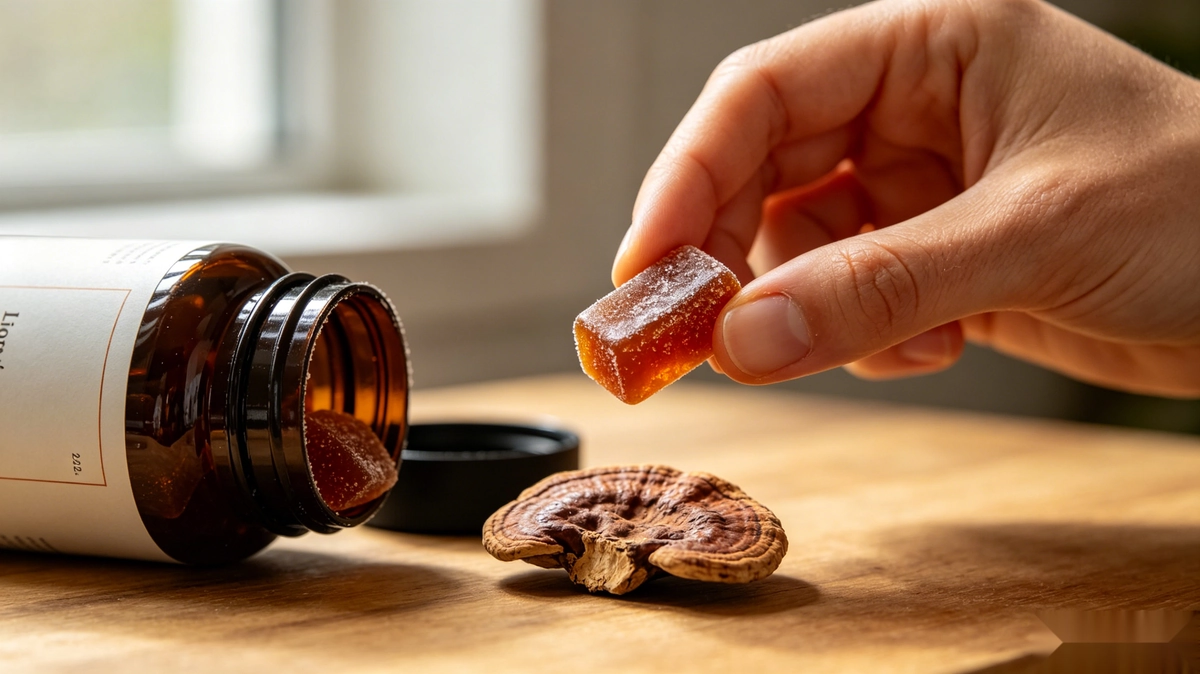
Halal gummies are no longer a small niche in the supplement market. From halal gummy vitamins to private label pectin gummies, more brands are developing products for Muslim consumers, family wellness lines, kids’ nutrition, and clean-label supplement categories.
But for supplement brands, halal gummies are not just regular gummies with pork gelatin removed. In real gummy development, the risk often appears in smaller ingredients rather than the main active. A formula may use pectin instead of gelatin, but the flavor carrier, coating oil, color system, sweetener, or vitamin premix can still raise documentation questions for halal-sensitive markets.
That is why the best time to review a halal gummy project is before sampling. Once the flavor is approved, the packaging is designed, and the buyer expects a launch date, changing the gummy base or certificate route can slow down the whole project.
For brands planning to launch halal gummy vitamins or functional gummies, choosing an experienced halal gummy supplement manufacturer or gummy supplement manufacturer is the first step toward controlling texture, stability, documentation, and private label packaging.
This guide explains what supplement brands should check before manufacturing halal gummies, especially when developing private label products for the U.S., Middle East, Southeast Asia, Europe, or other export markets.
What Are Halal Gummies?
Halal gummies are gummy products made with ingredients and production processes that meet halal requirements. In the supplement industry, this usually means the formula avoids prohibited ingredients and is supported by proper ingredient documents, supplier traceability, and, when needed, halal certification.
Many buyers start with one question:
“Does this gummy contain pork gelatin?”
That question matters, but it is only the starting point.
A halal gummy supplement may also need to verify the source of vitamins, minerals, herbal extracts, flavors, colors, sweeteners, coating agents, and processing aids. The finished product may look simple, but the documentation behind it can be more complex than expected.
For a supplement brand, the better question is:
Can the manufacturer support the full formula, production process, batch records, and export documents behind the halal claim?
If the answer is unclear before sampling, it will usually become a bigger problem before shipment.
What Makes Halal Gummy Supplements Different from Regular Gummies?
Regular gummy supplements are usually developed around taste, texture, dosage, cost, and shelf life. Halal gummy supplements need all of those points, plus ingredient acceptability, documentation, production control, and market-specific review.
A gummy can use a halal-friendly base and still create risk if the flavor carrier, coating oil, active ingredient source, or production environment is not reviewed properly.
Gelatin Source Matters
Gelatin is one of the first ingredients to check in gummy development. Traditional gummies often use gelatin because it gives the product a chewy, elastic texture that consumers recognize.
However, gelatin can come from different animal sources, including pork, beef, or fish.
For halal gummies, pork-derived gelatin is not acceptable. Beef gelatin may be acceptable only when the source, slaughter process, and processing method meet halal requirements. Fish gelatin may be an option in some projects, but it still needs proper documentation.
This is why brands should never assume that “beef gelatin” automatically means halal. The supplier should be able to provide clear information about the gelatin source and halal status. For a deeper explanation of why gelatin requires special attention, the Halal Foundation’s gelatin guide is a useful reference.
Pectin Is Often the Practical Choice
Pectin is a plant-based gelling agent commonly used in vegetarian and vegan-friendly gummies. For many halal gummy supplement projects, pectin is often the practical choice because it avoids animal-derived gelatin concerns.
But pectin is not a shortcut.
A pectin gummy still needs formula review. The flavor, color, coating oil, sweetener, active ingredient, and processing aids may still require verification. If the brand also wants vegan or vegetarian positioning, the review needs to be even stricter.
Pectin gummies also behave differently from gelatin gummies. Texture, pH, cooking temperature, moisture level, and active ingredient compatibility all affect the final result. A poorly developed pectin gummy can become too soft, too sticky, too brittle, or unstable during shipping.
For brands targeting both Muslim and vegetarian consumers, pectin-based gummies can be a strong choice. But the formula needs to be designed around pectin from the beginning, not changed at the last minute.
Cross-Contamination Needs a Direct Question
Halal is not only about the ingredient list. Production control also matters.
Before sampling, ask a direct question:
Will this product run on shared equipment, and what cleaning records or production controls can be provided between batches?
This matters when a facility also handles non-halal materials. If formal halal certification is required, the certification body may review production flow, cleaning procedures, material storage, and traceability.
A vague answer such as “our ingredients are halal-friendly” is not enough for serious B2B projects. Confirm what documents can actually be provided before production starts.
Halal Gelatin Gummies vs Pectin Gummies: Which Should Your Brand Choose?
There is no single best gummy base for every project. The right choice depends on the target market, texture preference, formula difficulty, label claim, certification requirement, and budget.
| Gummy Base | Best For | Watch-outs | Buyer Question |
|---|---|---|---|
| Halal gelatin gummies | Brands that want a classic chewy texture | Gelatin source must be clearly certified and traceable | Can you provide halal gelatin documentation? |
| Pectin gummies | Halal-friendly, vegetarian, or clean-label positioning | More sensitive to pH, cooking, and moisture control | Have you made pectin gummies with similar actives before? |
| Sugar-free pectin gummies | Premium, kids, or low-sugar wellness lines | Taste masking and texture control are harder | What sweetener system do you recommend for this formula? |
| Vegan halal gummies | Brands targeting both Muslim and vegan consumers | Every ingredient needs stricter review | Can the full formula support both halal and vegan claims? |
For many supplement brands, pectin is the more flexible option when halal, vegetarian, and clean-label positioning are all important. Halal-certified gelatin can still be suitable when the brand wants a more traditional gummy texture.
The important point is to decide early. Switching from gelatin to pectin later is not a simple ingredient change. It can affect cooking process, texture, stability, flavor release, dosage capacity, production cost, and sampling time.
Common Halal Gummy Supplement Formulas for Private Label Brands
Halal gummies can be developed across many supplement categories. The right formula depends on the audience, sales channel, market regulations, and documentation needs.
For brands comparing different product directions, Jiabei’s private label gummy supplements include vitamin gummies, kids gummies, beauty gummies, herbal gummies, and functional wellness gummies.
Halal Multivitamin Gummies
Multivitamin gummies are one of the most common private label directions. They can be developed for adults, women, children, or daily wellness lines.
For halal multivitamin gummies, check the source of each vitamin and mineral. Some premixes may contain carriers, coatings, or processing aids that need review. Taste is another issue. Minerals such as zinc and iron can create metallic notes, while B vitamins may affect odor and flavor.
A good multivitamin gummy is not only about adding more nutrients. It needs a realistic dosage, stable color, acceptable taste, and clear documentation.
Halal Vitamin D3 Gummies
Vitamin D3 gummies are popular for bone health, immune support, and daily nutrition. However, the D3 source needs to be confirmed early.
Some vitamin D3 is derived from lanolin. Vegan D3 may come from lichen. For halal projects, the source and supporting documents should be reviewed before sampling.
This is especially important if the brand plans to sell into halal-sensitive markets or wants to combine halal and vegan-friendly positioning.
Halal Kids Gummies
Kids gummies need extra care. The texture should be easy to chew but not too sticky. The flavor should be mild, pleasant, and not overly medicinal. Sugar level, serving size, dosage, and label language all matter.
For children’s products, many brands prefer gelatin-free formulas with clean-label positioning. Even with a pectin gummy, the full ingredient list still needs to be reviewed if the product is intended for halal markets.
Halal Beauty Gummies
Beauty gummies often include biotin, vitamin C, zinc, collagen, hyaluronic acid, or botanical extracts.
Collagen is the ingredient that needs the most careful review because it is animal-derived. If the product uses collagen, the source and halal certificate should be confirmed before development moves forward.
Some brands choose collagen-free beauty formulas instead, using vitamin C, biotin, zinc, or plant-based antioxidant ingredients to support a cleaner positioning.
Halal Sleep Gummies
Sleep gummies may include melatonin, L-theanine, magnesium, chamomile, lemon balm, or other calming ingredients.
The formula may work well in some markets but face restrictions in others. For example, melatonin is treated differently depending on the country. Before developing a halal sleep gummy, confirm both halal suitability and local regulatory acceptability.
Halal Immune Support Gummies
Immune gummies often include vitamin C, zinc, elderberry, echinacea, or other botanical ingredients. These formulas are easy for consumers to understand and work well in family wellness lines.
However, botanical extracts vary widely in quality. Extract ratio, carrier, solvent, testing document, taste, color, and heat stability can all affect the final gummy.
Common Formula Problems in Halal Gummy Manufacturing
This is where many projects slow down. The formula looks simple at the idea stage, but real production can expose issues that were not obvious in the first discussion.
Pectin Gummies Becoming Too Soft
Pectin gummies can be sensitive to pH, moisture, and cooking conditions. If the balance is wrong, the gummy may become too soft, especially during warm-weather storage or long-distance shipping.
For warm-weather markets, we usually recommend checking the gummy texture after bottle packing or pouch packing. Bulk samples and finished retail packs may behave differently during storage.
Sugar-Free Gummies Becoming Sticky
Sugar-free halal gummies are attractive for modern wellness brands, but they are harder to formulate. Sweeteners and polyols can affect moisture, texture, and stickiness.
A formula that tastes good on the first day may become sticky after several weeks if moisture control is not handled well. This is one reason sugar-free gummy projects often need more sampling rounds than standard sugar-based gummies.
Minerals Creating Metallic Taste
Zinc, iron, magnesium, and other minerals can affect taste. This is especially challenging in kids gummies and multivitamin gummies.
Taste masking can help, but there is a limit. If the dosage is too aggressive, the gummy may become difficult to flavor naturally.
Herbal Extracts Darkening the Gummy
Botanical extracts may change the color of the gummy. Some extracts are naturally dark, bitter, or unstable under heat.
This can affect both appearance and flavor. Avoid approving packaging visuals before the actual formula color is confirmed.
Natural Colors Fading During Storage
Natural colors are attractive from a label perspective, but some are less stable under heat, light, or long storage.
If a brand wants a bright and consistent color, the color system should be discussed early. In some projects, a more stable color choice is better than a label-friendly color that fades too quickly.
Coating Oil Requiring Documentation
Coating oil is easy to overlook. It helps reduce sticking and improve appearance, but the source may still matter for halal review.
For halal gummies, small ingredients like coating oil, flavor carriers, or processing aids should not be ignored. These are often the details buyers only notice when an importer asks for documents.
What Documents Should You Ask from a Halal Gummy Supplement Manufacturer?
Documentation is one of the biggest differences between a casual supplier and a serious manufacturing partner.
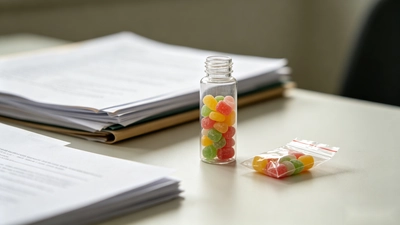
A reliable halal supplement manufacturer should be able to explain ingredient sources, certificate coverage, batch records, and quality documents before bulk production starts.
Instead of asking for all documents at the end, divide the review into stages.
Before Sampling
Confirm these points before sampling:
- Target market
- Gummy base: halal gelatin or pectin
- Active ingredient list and dosage
- Flavor and color direction
- Gelatin-free, vegan, or vegetarian requirements
- Halal certificate requirement
- Packaging format
- Expected MOQ
- Any restricted ingredients in the target market
This stage prevents wasted sampling work. If the target market requires a specific halal route, it should be discussed before the first sample is made.
Before Bulk Production
Before bulk production, request:
- Ingredient specifications
- Gelatin or pectin source documents
- Halal certificate, if required
- Allergen statement
- Non-GMO, vegan, or vegetarian statement if claimed
- Formula confirmation
- Packaging confirmation
- Production lead time
- Quality control plan
This is also the right stage to confirm whether the certificate scope covers the product, the ingredients, or the facility.
Before Shipment
Before shipment, request:
- Finished product COA
- Microbial testing
- Heavy metal testing, if required
- Batch information
- Packing list
- Commercial invoice
- Export documents
- Any additional documents required by the importer
For the U.S. market, dietary supplement brands should also understand the CGMP framework under 21 CFR Part 111, which covers manufacturing, packaging, labeling, and holding operations for dietary supplements.
Halal certification and GMP compliance are not the same thing. Halal certification focuses on ingredient acceptability and halal process control. GMP focuses on manufacturing quality, safety, consistency, and documentation. Strong supplement brands often need both types of control, depending on the market.
Before Sampling: A Checklist for Private Label Halal Gummies
Before requesting samples, prepare a clear product brief. It does not need to be complicated, but it should answer the questions that affect formula direction.
| Before Sampling | Why It Matters |
|---|---|
| Target country | Determines halal, label, and import document requirements |
| Gummy base | Gelatin and pectin affect texture, claims, and production process |
| Active ingredients | Some actives affect taste, color, heat stability, or dosage capacity |
| Flavor and color preference | Small ingredients may require halal review |
| Sugar-free or low-sugar requirement | Changes texture, taste, moisture, and cost |
| Vegan or vegetarian claim | Requires stricter ingredient review |
| Packaging format | Bottles, pouches, and blister packs need different stability checks |
| MOQ expectation | Helps avoid unrealistic formula and packaging choices |
A clear brief makes the project faster to quote and easier to sample. It also reduces the chance of changing the formula after the buyer has already approved the flavor.
Private Label Halal Gummies: What Can Be Customized?
Customization is useful, but every extra requirement changes the project. A sugar-free pectin gummy in a custom pouch is not the same project as a standard vitamin gummy in a bottle.
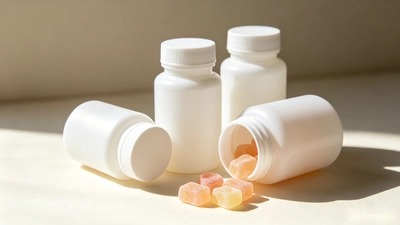
Formula
Brands can develop single-nutrient gummies, multi-ingredient formulas, herbal gummies, kids gummies, sugar-free gummies, pectin gummies, or vegan-friendly gummies.
The more complex the formula, the more testing and adjustment may be needed. Some active ingredients do not taste good in gummies. Some are heat-sensitive. Some affect color, texture, or stability.
A good manufacturer should review these points before promising mass production.
Flavor and Color
Flavor is one of the most important parts of gummy development. A formula may look strong on paper, but if the taste is poor, repeat purchase will suffer.
For halal gummies, flavor sources should be checked carefully. Some flavors may use carriers or solvents that need review. Colors should also be selected based on the target market, label preference, and formula stability.
Natural colors may look better on the label, but they can be less stable under heat, light, or long storage.
Shape and Texture
Gummies can be made in many shapes, such as bears, domes, cubes, drops, or custom molds. Texture can also be adjusted based on the brand’s preference.
For international shipping, anti-sticking performance is important. Gummies that are too soft or too humid may stick together during storage or transport, especially in warm climates.
Packaging
Common packaging options include bottles, pouches, blister packs, and bulk packs. For private label projects, brands may also need label design, carton design, barcode setup, and export carton support.
Packaging should be selected based on shelf life, market expectations, shipping route, and sales channel. A pouch may work well for e-commerce, while bottles are still common for traditional supplement retail.
MOQ and Lead Time
MOQ depends on formula complexity, ingredient sourcing, packaging type, mold requirements, and whether halal certification needs to be arranged for the project.
A simple pectin gummy with standard packaging may move faster. A custom shape, sugar-free formula, imported ingredient, or new halal certification route may require more time.
Confirm MOQ and lead time early, before the formula moves too far into sampling.
Red Flags When Choosing a Halal Gummies Supplier
Choosing the wrong supplier can create delays, compliance problems, or product quality issues. Here are red flags to watch for:
- The supplier says “halal-friendly” but cannot provide documentation.
- The gelatin source is unclear.
- The supplier cannot explain the difference between gelatin and pectin gummies.
- The formula uses flavors, colors, or coating agents without source review.
- No finished product COA is available.
- No clear answer is given about microbial or heavy metal testing.
- The supplier avoids questions about cross-contamination.
- The price is very low, but documentation is weak.
- The supplier promises every market is acceptable without checking regulations.
- They focus only on packaging design and ignore formula risks.
The cheapest quote often looks attractive until documentation is requested. For halal gummy manufacturing, price only makes sense when the formula, certificate route, testing plan, and export documents are clear.
Market Planning for Private Label Halal Gummies
Different markets may have different expectations for halal claims, supplement labeling, ingredient restrictions, and import documents. Confirm the target market before sampling because the same formula may not be suitable everywhere.
U.S. Market
For the U.S. market, pay attention to dietary supplement CGMP, Supplement Facts formatting, ingredient identity, and claim language. Halal certification may support a specific consumer audience, but it does not replace general dietary supplement compliance.
Middle East
For Middle Eastern markets, halal documents are often more important. Importers may request halal certificates, COA, ingredient specifications, product photos, label files, and other export documents.
The exact requirement may vary by country and sales channel, so confirm with the local importer before production.
Indonesia and Southeast Asia
For Southeast Asia, especially Indonesia and Malaysia, halal planning should start early. Indonesia has its own halal certification framework, and brands targeting that market should review requirements carefully.
If your target market includes Indonesia, this guide to Indonesia halal certification for supplements can help you understand key points before confirming your product route. Brands should also verify current requirements through official sources such as BPJPH and local regulatory partners.
Europe and the UK
For Europe and the UK, brands should consider food supplement rules, allowed ingredients, nutrition and health claims, label language, and market-specific restrictions.
Halal positioning may help with consumer trust, but it does not replace local compliance review. The final formula, label, and claims should be checked before launch.
What Jiabei Checks Before Quoting a Halal Gummy Project
In many projects, the first discussion is not only about price. It is about whether the formula can realistically become a stable gummy with the documents the buyer’s market requires.
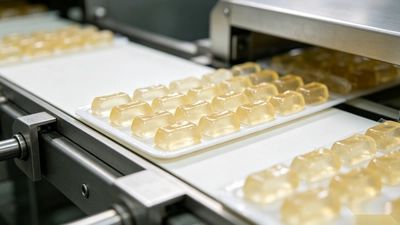
Before quoting a halal gummy project, Jiabei usually reviews the product from both formula and production angles. This helps avoid unrealistic pricing, unstable samples, or document problems later.
A typical review includes:
- Target country or sales region
- Product type and intended positioning
- Gummy base preference: pectin or halal gelatin
- Active ingredient list and dosage
- Gelatin-free, vegan, or vegetarian requirement
- Sugar-free or low-sugar requirement
- Flavor and color direction
- Packaging format
- Expected MOQ
- Halal certificate requirement
- Importer document list, if available
- COA and testing requirements
- Timeline for sampling and bulk production
This step is important because halal gummies are not only a flavor project. The manufacturer needs to understand the product claim, ingredient risks, production route, and documents expected by the buyer’s market.
If a brand already has a formula brief, Jiabei can review whether it is suitable for gummy production, whether the active dosage is realistic, and whether any ingredients may create halal or stability concerns.
How Jiabei Supports Halal Gummy Supplement Manufacturing
Jiabei supports brands developing halal-friendly gummy supplement products, from early formula discussion to private label packaging and export preparation.
Our team can help brands review gummy base options, including pectin-based formulas for halal-friendly, vegetarian, or vegan-friendly positioning. We also support flavor development, texture adjustment, sample development, packaging selection, and bulk production planning.
Beyond halal documentation, buyers should also review the manufacturer’s broader quality and certification system, including GMP, HACCP, FSSC 22000, batch traceability, and export-ready documentation. Food safety certification is separate from halal certification, but it still matters for export buyers. The official FSSC 22000 scheme explains its role as a food safety management system certification framework.
Jiabei also supports OEM and ODM supplement manufacturing for brands developing halal gummies, including formula review, sample development, flavor adjustment, private label packaging, and export documentation.
For halal gummy projects, we recommend confirming the target market, formula direction, certificate needs, and document requirements before sampling. The earlier these points are clear, the easier the project is to quote, sample, and scale.
Final Checklist Before Ordering Halal Gummies
Before placing a bulk order, review the full project carefully:
- Confirm the target market.
- Choose pectin or halal gelatin.
- Review all active and inactive ingredients.
- Check flavor, color, sweetener, and coating sources.
- Confirm halal documentation and certificate scope.
- Request COA and relevant test reports.
- Confirm MOQ, lead time, packaging, and export documents.
- Test texture, taste, stability, and anti-sticking before bulk production.
For halal gummies, the best time to solve documentation issues is before sampling, not after the buyer has approved the flavor and packaging. Once the formula, gummy base, certificate route, and document list are clear, the project becomes much easier to move from concept to production.
Halal gummies can be a strong opportunity for supplement brands, especially in Muslim consumer markets, family wellness, kids’ nutrition, and clean-label categories. But successful development depends on more than a good flavor or attractive package. The product has to be built from the formula up, with the right gummy base, verified ingredients, stable production, and documents that match the target market.
If you already have a formula idea, target country, or packaging plan, Jiabei can help review the gummy base, ingredient risks, halal document needs, and private label production route before sampling.
FAQ
Are all gummies halal?
No. Many gummies use gelatin, and gelatin may come from pork, beef, fish, or other sources. Whether a gummy is halal depends on the ingredient source, production process, and supporting documentation.
Are pectin gummies halal?
Pectin is plant-based, so it is often used in halal-friendly and vegetarian gummy formulas. However, the full formula still needs to be checked, including flavors, colors, coating agents, sweeteners, and active ingredients.
Can halal gummies be made with pectin instead of gelatin?
Yes. Many supplement brands choose pectin for halal gummy projects because it avoids animal gelatin concerns and can also support vegetarian or vegan-friendly positioning. The formula still needs to be tested for texture, taste, stability, and documentation.
What is the best base for halal gummy vitamins?
For many supplement brands, pectin is a practical choice because it avoids animal gelatin concerns. Halal-certified gelatin may also be used when the brand wants a more traditional gummy texture.
What documents should I request from a halal gummy manufacturer?
Ask for halal certificate, ingredient specifications, gelatin or pectin source documents, finished product COA, microbial testing, heavy metal testing, allergen statement, and relevant quality certificates.
Can I make sugar-free halal gummies?
Yes. Sugar-free halal gummies are possible, but they are more difficult to formulate. Sweeteners, taste masking, texture, stability, and moisture control all need to be balanced carefully.
How do I choose a halal gummy supplement manufacturer?
Choose a manufacturer that can explain the gummy base, ingredient sources, halal documentation, COA, testing process, private label packaging, and export document support. A good supplier should discuss formula risks before sampling, not only after the order is placed.