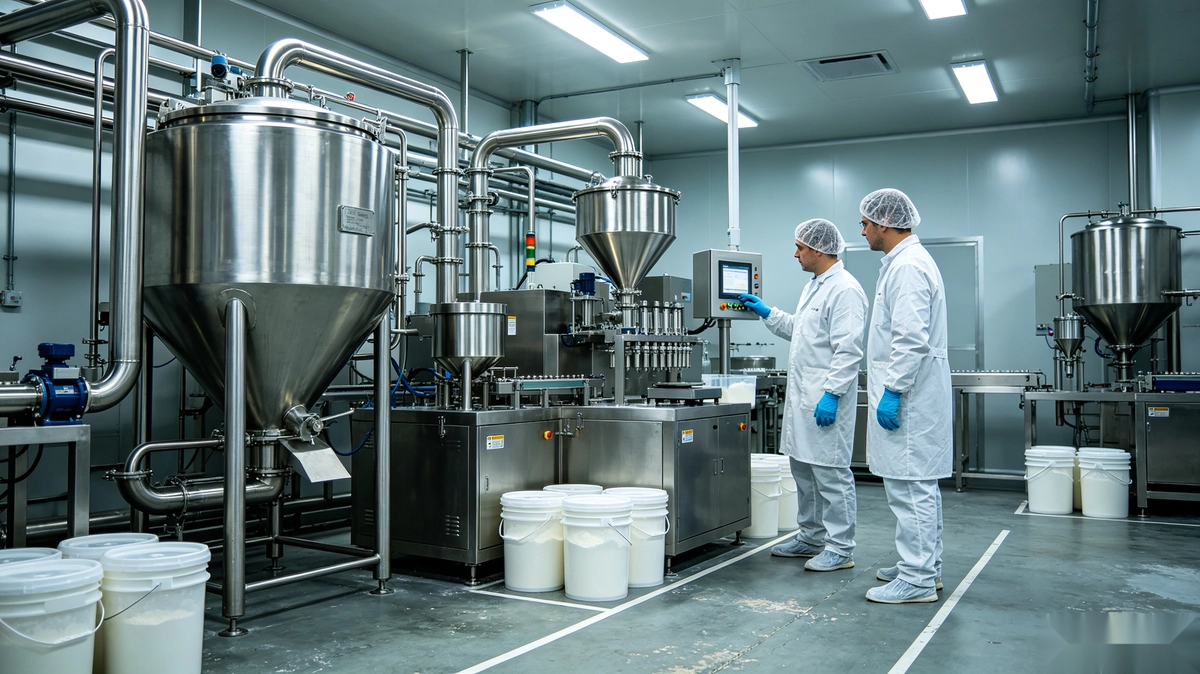
The private label supplement manufacturing process is no longer just about finding a factory that can make capsules, gummies, powders, or softgels. For global supplement brands, it is about building a product that can move from raw materials to market with stable quality, clear documentation, reliable timelines, and fewer costly mistakes.
That is where many projects start to separate.
On paper, a supplement can look simple. The formula looks fine, the packaging idea sounds good, and the launch plan seems realistic. But once imported raw materials, custom supplement formulation, packaging, production schedules, testing, and market launch all start moving at the same time, the weak points show up fast.
This is why the real value of a private label supplement manufacturer is not just production capacity. A serious dietary supplement contract manufacturer should be able to manage the full supplement manufacturing process, not just the final batch. For brands targeting international growth, that difference matters.
A product is not successful because it gets made. It is successful because it gets made well, packed correctly, documented clearly, and delivered in a way the market can actually accept.
Why the Private Label Supplement Manufacturing Process Matters
For many brands, speed matters. But speed without structure usually turns into rework.
A rushed project may still get produced, but it often creates problems later. Raw material records may be incomplete. Label copy may need last-minute corrections. Packaging may not match the final product presentation. Testing may take longer than expected. And once delays start, every department feels them.
That is why the private label supplement manufacturing process matters so much. A strong process gives brands better control over custom supplement formulation, imported raw materials, supplement quality control, packaging, and final launch planning. It reduces avoidable mistakes and makes the whole project easier to scale.
For global supplement brands, this becomes even more important. The longer the chain becomes, the less room there is for confusion. International projects usually involve more revisions, more communication, more supplier coordination, and more pressure on timing. If the supplement manufacturing process is weak, small problems become expensive ones very quickly.
Experienced buyers understand this. They do not only ask about price. They ask how the formula will be developed, how the raw materials will be reviewed, how the product will be tested, how the packaging will be confirmed, and how the final batch will move from production to market.
Choosing the Right Manufacturing Approach from the Start
Not every supplement project should follow the same route. Some brands want a stronger story around imported raw materials. Others want better flexibility, shorter lead times, or easier packaging adjustments. The right approach depends on the product, the sales plan, the budget, and the market positioning.
For many growing brands, manufacturing with imported raw materials is often the more practical option. It gives better production flexibility, faster communication, and more room for adjustment before launch. It also works well for brands that want to test the market before committing to a larger production run.
But using imported raw materials does not automatically create value. The real question is whether those materials are being handled properly inside the supplement manufacturing process.
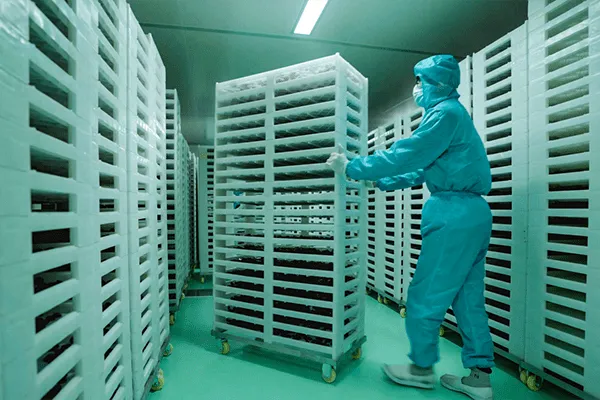
A professional private label supplement manufacturer should be able to review ingredient specifications, supplier documents, batch COA, and supporting records before production starts. More importantly, the manufacturer should know how to connect those imported raw materials to the finished product batch in a clean, traceable way.
That is where a reliable dietary supplement contract manufacturer stands out. The issue is not whether the ingredient sounds premium. The issue is whether the ingredient can be verified, controlled, and used consistently from one batch to the next.
Imported Raw Materials Are Only as Strong as the Control Behind Them
Imported raw materials can strengthen a product story, support premium positioning, and help a brand stand out in a crowded category. But from a manufacturing point of view, imported ingredients also raise the stakes.
The longer the sourcing chain becomes, the more important control becomes.
For products built around probiotics, botanicals, collagen, mushroom blends, sports nutrition actives, or other specialized ingredients, consistency is everything. If the raw material quality shifts, the finished product often shifts with it. That affects not only product performance, but also customer trust, repeat orders, and long-term brand stability.
This is why supplement quality control should begin long before the production line starts. A strong OEM supplement manufacturer should have a process for reviewing raw material identity, supplier records, specifications, physical condition, and key quality indicators before those materials move into production.
Many brands focus too heavily on whether an ingredient is imported. A better question is whether that imported ingredient can be properly documented, properly reviewed, and properly managed throughout the full private label supplement manufacturing process.
How to Choose a Dietary Supplement Contract Manufacturer That Can Actually Deliver
Factory selection is one of the most important decisions in the entire supplement manufacturing process. The wrong partner can slow down development, create unnecessary revisions, and turn a strong product idea into a frustrating project.
A good-looking factory profile is not enough. A real dietary supplement contract manufacturer should be able to support more than production. The right partner should understand custom supplement formulation, supplement quality control, packaging coordination, documentation, and project communication.
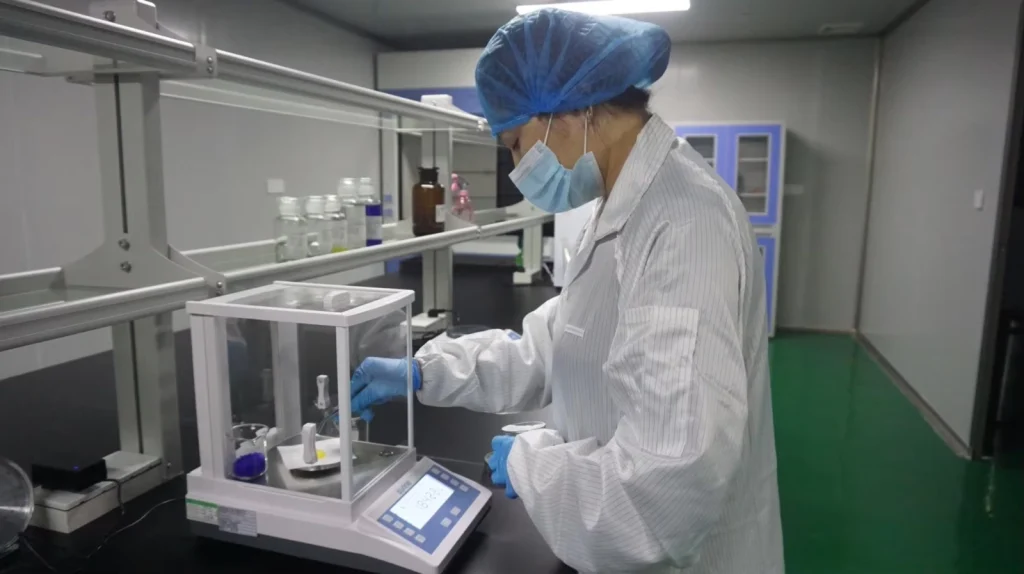
This is where many buyers make the wrong call. They focus on equipment photos, broad claims, or simple promises. What matters more is whether the manufacturer can actually run the project in a disciplined way.
A serious private label supplement manufacturer should be able to answer practical questions clearly:
Can the team handle the dosage form you want to launch?
Can the manufacturer explain the production process step by step?
Can they support formulation adjustments, packaging changes, and project revisions without losing momentum?
Can they organize product documents and testing support in a way that helps the launch instead of delaying it?
In real business, many supplement projects do not fail because the product is difficult to make. They fail because the project is not managed tightly enough.
What Real Supplement Quality Control Looks Like
Supplement quality control should never be reduced to a single final report. That is not real control. That is only one checkpoint.
A stronger system starts at the raw material stage, continues through production, and stays active until the finished goods are ready for release.
At the beginning of the process, raw materials should be reviewed carefully. Identity, specifications, appearance, batch records, and supplier documents all matter. Depending on the product category, additional checks may also be needed for microbiological status, heavy metals, active content, or other critical quality markers.
Once production begins, control should continue through weighing, blending, encapsulation, compression, filling, sealing, labeling, and packing. A reliable OEM supplement manufacturer does not just complete the batch. It records the work, controls the critical steps, and keeps traceability clear.
At the finished product stage, supplement quality control should confirm that the batch matches the intended specifications. That may include appearance, fill weight, active content, microbiological review, packaging integrity, and shelf life assessment, depending on the product type.
For buyers, one of the clearest signs of a capable private label supplement manufacturer is simple: can the team explain its quality system in practical language? If the answer stays too general, the process behind it is usually weaker than it sounds.
Custom Supplement Formulation Has to Work in Real Production
A formula that sounds attractive in development is not always a formula that runs well in production. That is one of the most common gaps in supplement projects.
Custom supplement formulation needs to work on three levels. It has to make sense on paper. It has to run well in manufacturing. And it has to hold up after packaging, shipping, and market launch.
That sounds obvious, but it is where many projects lose balance. A formula may include too many ambitious ingredients, unstable combinations, or difficult dosage targets without fully considering manufacturing reality. When that happens, the project becomes harder to scale, harder to standardize, and harder to keep consistent.
A skilled dietary supplement contract manufacturer should be able to evaluate formulation choices with production in mind. The goal is not only to build an appealing formula. The goal is to build one that can be made cleanly, tested properly, and repeated consistently.
That is what separates a marketable concept from a usable product.
Compliance, Labeling, and Documentation Should Not Be an Afterthought
One of the fastest ways to slow down a supplement launch is to leave compliance and labeling until the end.
A product may already be sampled, quoted, and scheduled for production, yet still run into delays because the packaging copy needs revision, the product information is incomplete, or the documentation does not fully match the intended market path. That is why supplement compliance and labeling need to move alongside the rest of the project, not behind it.
For global supplement brands, this is even more important. The more markets, channels, and shipping steps involved, the more important it becomes to keep the product description, formula logic, packaging content, and supporting files aligned.
This is not just a paperwork issue. It directly affects launch speed.
A cleaner process means reviewing product language, ingredient presentation, packaging structure, and supporting documents early enough to avoid last-minute corrections. A strong international supplement manufacturer should understand that compliance is not a separate department problem. It is part of whether the product can actually move.
Pilot Production Is Not a Delay. It Is a Risk Filter
Many brands want to move straight into a larger production run, especially when the launch timeline feels tight. But a controlled pilot run often saves more time than it costs.
Pilot production gives both the brand and the private label supplement manufacturer a chance to test the project under real conditions. It helps confirm whether the formula performs as expected, whether the packaging works in actual production, whether the product appearance matches the target, and whether the documentation flow is clean enough for launch.
This step is especially valuable for new products, custom supplement formulation projects, imported raw materials, and first-time cooperation with a dietary supplement contract manufacturer.
In the supplement manufacturing process, small batch validation is not hesitation. It is discipline.
A brand that takes pilot production seriously usually reaches the market with fewer surprises, fewer corrections, and stronger internal confidence.
Packaging, Timing, and Final Delivery Still Decide the Commercial Result
A supplement is not ready just because it passed production. The last stretch still matters.
Packaging coordination, final presentation, labeling accuracy, shipment timing, and delivery preparation all affect the commercial result. This is where projects often lose momentum. A batch may be finished, but if packaging is delayed, shipping details are unclear, or supporting documents are incomplete, the product is still not truly market-ready.
That is why a capable international supplement manufacturer should be able to support more than filling and packing. The manufacturer should understand how production timing affects labeling, boxing, shipment planning, and the full launch calendar.
This is especially important for brands working across longer supply chains. The more moving parts involved, the less room there is for small mistakes at the end.
In many cases, the market does not see the production process. It only sees whether the product arrived on time, looked right, and felt ready to sell.
Final Thoughts
The private label supplement manufacturing process is not just about making a supplement. It is about building a product that can move from raw materials to market with stronger quality control, better documentation, cleaner execution, and fewer weak links.
For global supplement brands, the right partner should offer more than production space. The right dietary supplement contract manufacturer should be able to support custom supplement formulation, supplement quality control, packaging coordination, imported raw materials management, and practical launch preparation from beginning to end.
That is what makes the difference between a product that only sounds good in the quotation stage and a product that actually performs in the market.
In the end, strong supplement projects are not built on big claims. They are built on a disciplined supplement manufacturing process, a reliable private label supplement manufacturer, and a team that understands how to turn a product idea into something commercially usable.