Understanding Supplement MOQ Requirements in Private Label Manufacturing
Supplement MOQ requirements are one of the most critical considerations for buyers preparing to launch or expand a private label supplement line. MOQ determines whether a project fits the budget, whether the market can be tested with minimal risk, and whether the factory is genuinely suitable for long-term cooperation. Most private label companies search for factories that support stable quality and flexible order quantities, yet the industry norm often presents rigid batch sizes that may discourage early-stage brands.
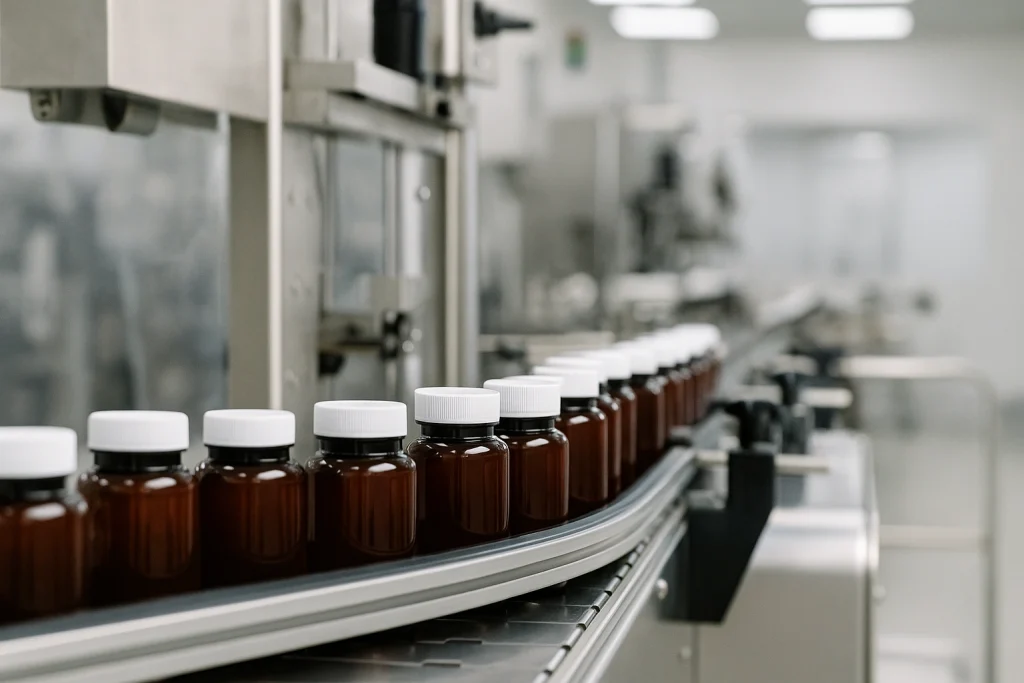
For this reason, understanding how MOQ works across different dosage forms, what drives these requirements, and how a manufacturer can reduce MOQ without compromising quality becomes essential. Jiabei Health stands out in this regard. Unlike most factories that set high entry barriers, Jiabei Health supports 500 bottles MOQ across all bottle-packaged dosage forms, allowing new brands to launch products in a controlled, low-risk manner while maintaining strict GMP-level quality standards.
Why MOQ Matters More Than Buyers Expect
MOQ is not simply a manufacturing rule. It directly shapes the buyer’s business model and financial exposure. When starting a new SKU, brands must consider variables such as forecasting uncertainty, early-stage demand fluctuations, channel testing, packaging compatibility, and cash flow allocation. A low MOQ allows a brand to test formulations, flavors, and packaging with agility. Conversely, a high MOQ forces brands to commit to inventory before acquiring data, often resulting in slow turnover or stranded stock.
Understanding supplement MOQ requirements helps buyers make informed decisions, such as whether to launch multiple SKUs simultaneously, whether to iterate flavors, or whether to pilot test on a D2C channel before expanding to Amazon or wholesale distribution. MOQ influences not only cost but also strategic timing, scaling speed, and operational flexibility.
Typical MOQ Requirements by Supplement Dosage Form
Dosage form is the strongest determinant of MOQ. Each category has its own technical, equipment, and supply chain characteristics. Below is a practical explanation of the industry norms, followed by Jiabei Health’s more flexible model that significantly lowers market entry thresholds.
Gummies MOQ
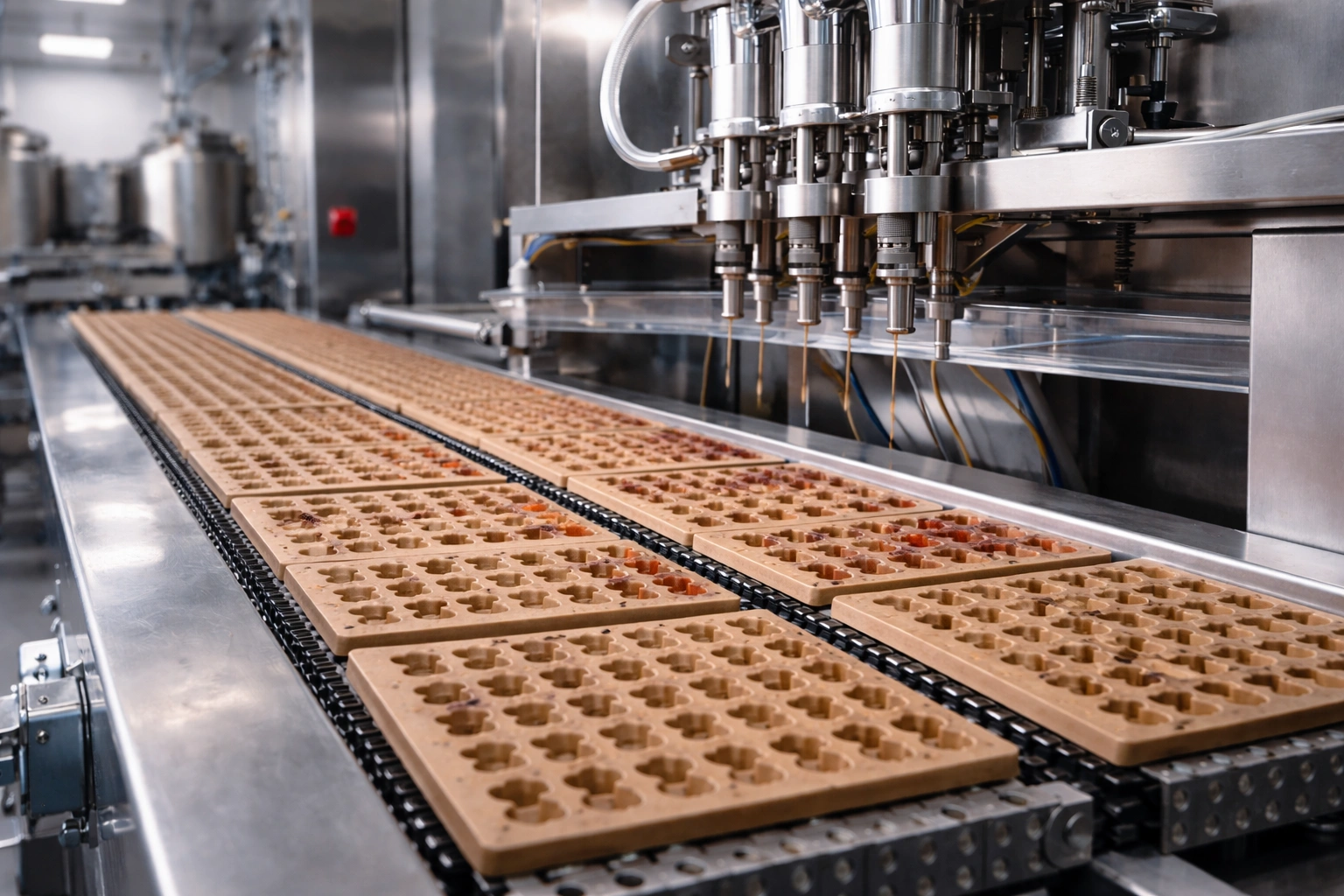
In the global supplement industry, gummy supplements usually carry the highest MOQ. Many factories require 3,000–5,000 bottles for a first run due to the minimum batch size of sugar-gel systems, the need for continuous production on depositor lines, and the stability testing required for flavor-color-pH interactions. Gummy production also involves curing tunnels and dehumidification rooms that operate efficiently only at defined load levels.
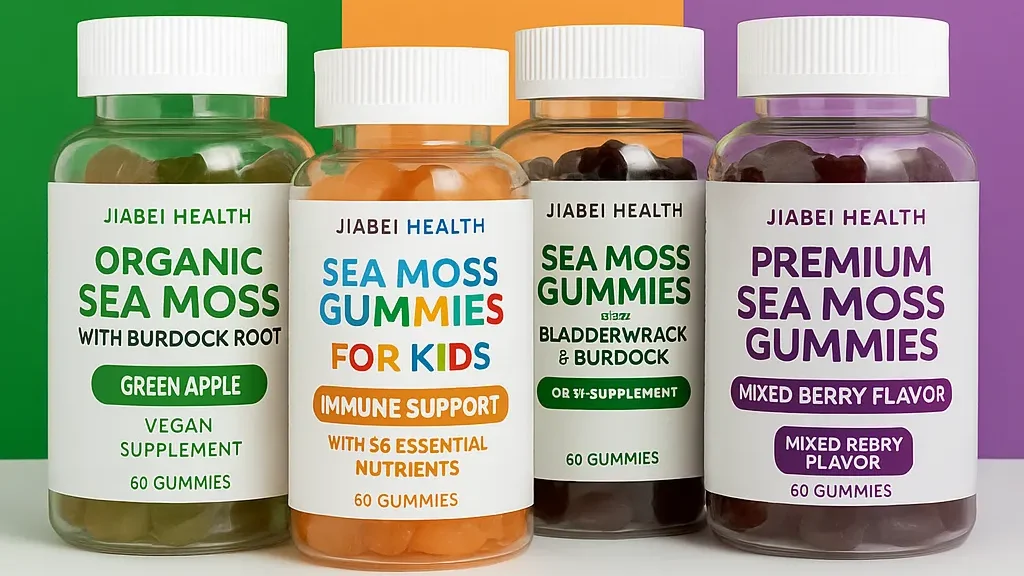
Despite these constraints being common across the industry, Jiabei Health’s production configuration and batch-splitting capability allow considerably lower entry quantities. Buyers can launch gummy supplements starting from 500 bottles, making it possible to test new flavors, active ingredients, or marketing concepts without committing to large inventory.
Capsule MOQ
Capsule supplements generally have lower technical constraints than gummies, but conventional factories still impose MOQs of 50,000 to 100,000 capsules, equivalent to about 1,000–3,000 bottles depending on bottle count per SKU. This is driven by capsule filling machine minimum feed volume, powder flow characteristics, and the necessity to purchase capsule shells in defined quantities.
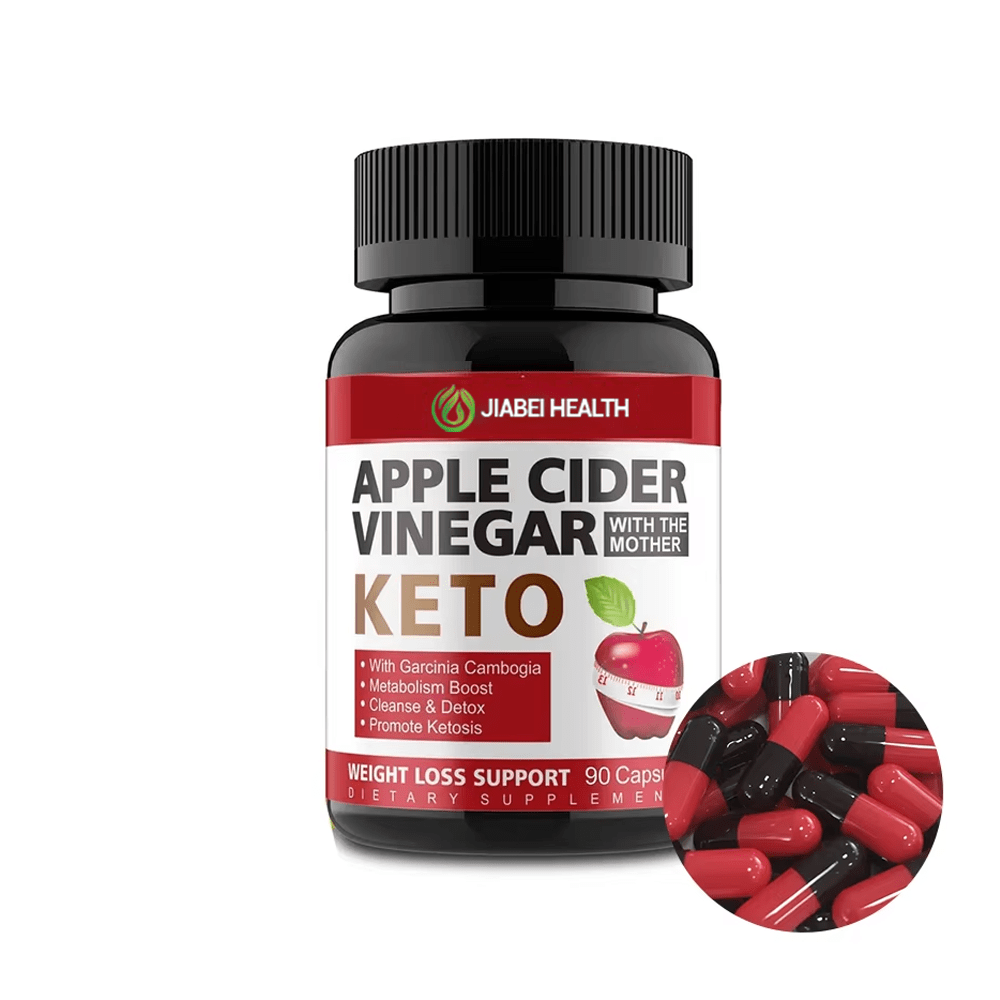
By optimizing production sequencing and offering shared raw material batches when suitable, Jiabei Health supports 500-bottle capsule MOQ, enabling small brands to explore niche formulations such as adaptogens, functional mushrooms, or specialized mineral blends without excessive upfront capital.
Powder MOQ
Powder supplements packaged in bottles or jars often require MOQs of 500–2,000 jars within typical OEM settings. Powder mixing equipment requires a minimum load to achieve uniformity, and packaging machinery needs a stable operational speed to ensure accurate dosing and hygiene.
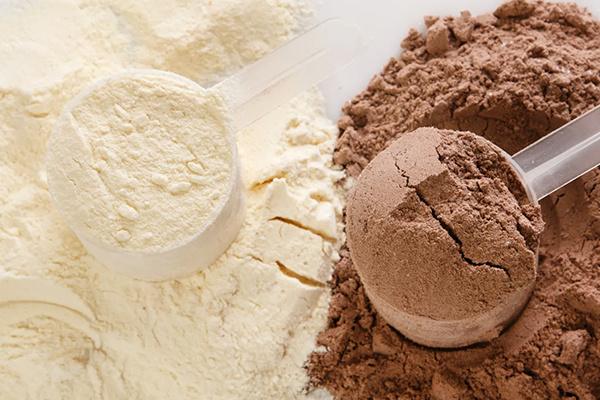
Jiabei Health’s powder lines accommodate smaller batch configurations. As long as the final product is bottle-packaged, powder formulas such as creatine, greens blends, hydration powders, and protein-free functional blends can be initiated from 500 bottles, balancing quality standards with commercial flexibility.
Liquid Drops MOQ
Liquid supplements are typically produced with MOQs of 5,000–10,000 bottles, mainly due to glass bottle procurement MOQ, dispensing pipette MOQ, and the continuous-run requirements of liquid filling lines. Stability testing for viscosity, separation, and oxidation also contributes.
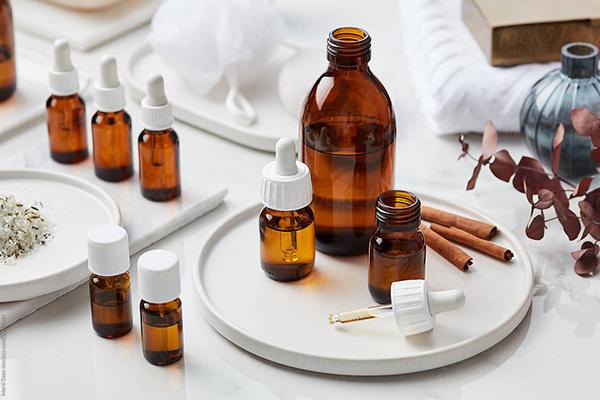
Jiabei Health’s procurement model and filling line scheduling allow 500-bottle liquid drop MOQ, giving private label buyers an uncommon advantage in testing emerging liquid formats such as Vitamin D3 drops, herbal tinctures, or fast-absorbing mineral blends.
Why Different Dosage Forms Require Different MOQ
Even though all bottle-packed dosage forms can be supported from 500 bottles at Jiabei Health, buyers benefit from understanding the underlying industrial logic. MOQ is derived from a combination of technical, supply chain, and quality control factors:
- Minimum batch size of equipment
Depositors, mixers, tumblers, and filling machines have physical lower limits below which performance becomes unstable. - Raw material procurement MOQ
Capsule shells, flavors, gummies base materials, colorants, and sweeteners often come with vendor-defined minimum shipping quantities. - Packaging MOQ
Bottles, caps, droppers, silica gel packs, liners, and shrink wraps all require minimum production runs, as packaging factories operate on bulk batch tooling. - Quality control protocols
Microbial testing, heavy metal testing, and stability studies require consistent sampling from a sufficiently large batch. - Labor and production setup time
Adjustment, cleaning, and calibration take time; very small batches increase per-unit cost unless a factory is structured for flexible production.
By explaining these mechanisms transparently, the buyer gains confidence that MOQ is not arbitrary. When a manufacturer can reduce MOQ without compromising any of these parameters, it indicates strong operational maturity.
How Jiabei Health Supports Lower and More Flexible MOQ
Jiabei Health has invested in flexible production capabilities that allow new buyers, emerging brands, and niche product developers to start efficiently. Supplement MOQ requirements typically challenge the early phases of brand building, but with 500-bottle MOQ across gummies, capsules, powders, and liquids, brands can enter the market strategically rather than defensively.
Key factors enabling this flexibility include:
• Batch optimization and shared raw materials when formulation permits.
• Modular production scheduling that accommodates smaller batch windows.
• Packaging procurement partnerships capable of delivering short-run quantities.
• In-house R&D and formulation support that reduce trial-and-error waste.
• Rapid lead times, typically around 15 days for standard orders, with expedited options available.
• Full documentation support, including COA for every batch, FDA registration number, Free Sale Certificate, and Certificate of Origin when required for export.
• A certification system covering GMP, BRC, HACCP, FSSC22000, Halal, and Kosher.
For buyers focused on testing the market quickly or building a SKU series with multiple flavors, this low MOQ structure significantly reduces cost exposure and accelerates the product launch cycle.
How Buyers Should Evaluate MOQ When Developing a New Supplement
Evaluating MOQ is not simply comparing numbers between factories. Buyers should consider the following strategic factors:
- Market validation strategy
Launching with 500 bottles minimizes the risk of misalignment between product positioning and customer expectations. - Portfolio diversification
Smaller MOQ enables simultaneous testing of multiple SKUs rather than investing everything into one product. - Quality consistency
A MOQ that is too low may compromise production stability in some factories; therefore, a 500-bottle MOQ from a professionally certified factory is unusually advantageous. - Scalability
A factory must not only accept a small first run. It should also retain the formula, packaging, and SKU specifications needed for repeat production. Our guide to choosing a low MOQ supplement manufacturer explains how to plan a first order that can be reordered without rebuilding the product. - Packaging flexibility
Buyers should consider whether custom packaging, flavor variations, and label changes can fit within a low MOQ framework. For white label orders, this supplement manufacturer quote guide also explains how MOQ relates to packaging, samples, testing, and the final quotation.
When interpreted correctly, MOQ becomes a strategic tool rather than a constraint.
Real Cases: How Low MOQ Helps Buyers Scale
A start-up functional gummy brand tested three flavors using 500 bottles each. Within two weeks of launching their initial pilot batch, one flavor achieved rapid traction on TikTok ads. The brand immediately placed a 10,000-bottle replenishment order, having validated its product-market fit at minimal cost.
Another buyer in the nootropic capsule category initiated a 500-bottle run with a single SKU. After seeing strong interest from specialty retailers, the brand expanded to six SKUs within one quarter. The low MOQ allowed them to verify market demand before investing heavily.
These cases illustrate how 500-bottle MOQ transforms the product development approach, encouraging experimentation, faster iteration, and risk-controlled scaling.
FAQ
What is the standard MOQ for private label supplements?
Most factories require 1,000 to 5,000 bottles depending on dosage form, due to equipment batch size and packaging MOQ. Jiabei Health supports 500 bottles for all bottle-packed formats, enabling low-risk product launches.
Can I start a private label supplement with only 500 bottles?
Yes. A 500-bottle pilot run is sufficient for market testing, D2C launch, and early Amazon validation. Jiabei Health provides full documentation and GMP-level production even at low MOQ.
Why do different supplement dosage forms have different MOQ requirements?
Gummies, capsules, powders, and liquid drops each require different minimum batch sizes, packaging quantities, and quality testing protocols. These technical factors determine the baseline MOQ of a factory.
Does choosing a lower MOQ increase the unit cost?
Unit cost may increase slightly at low volume because packaging and raw material are purchased in smaller quantities. However, the reduced inventory risk typically results in a better overall financial outcome for new brands.