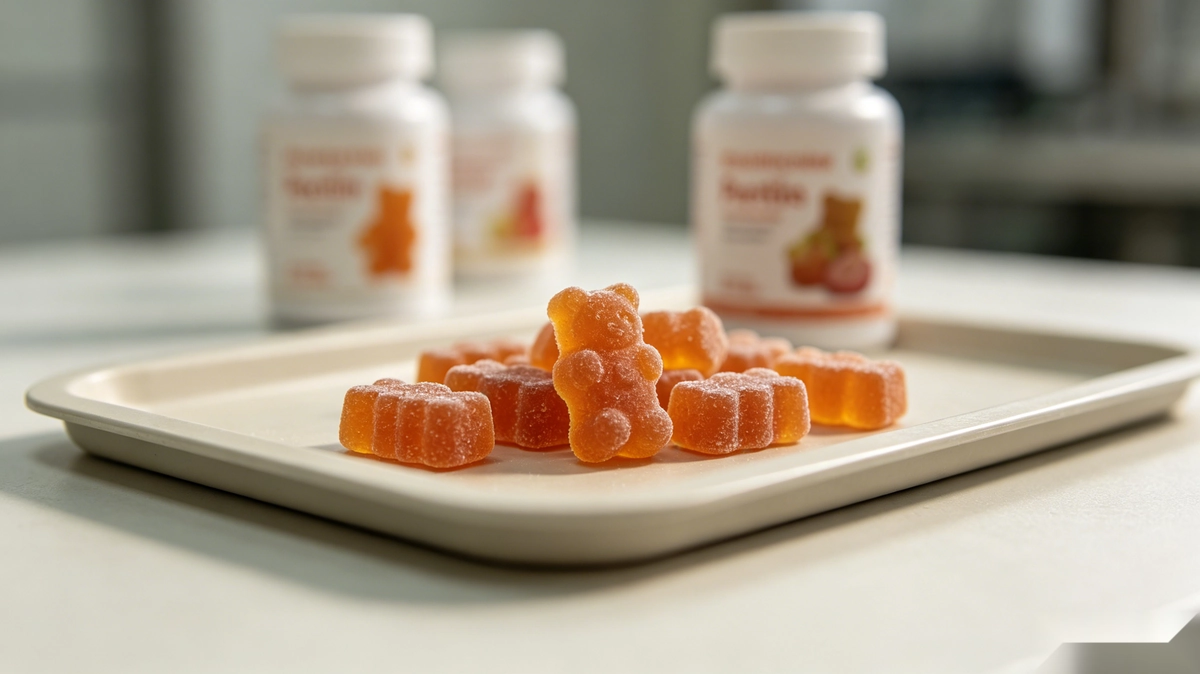
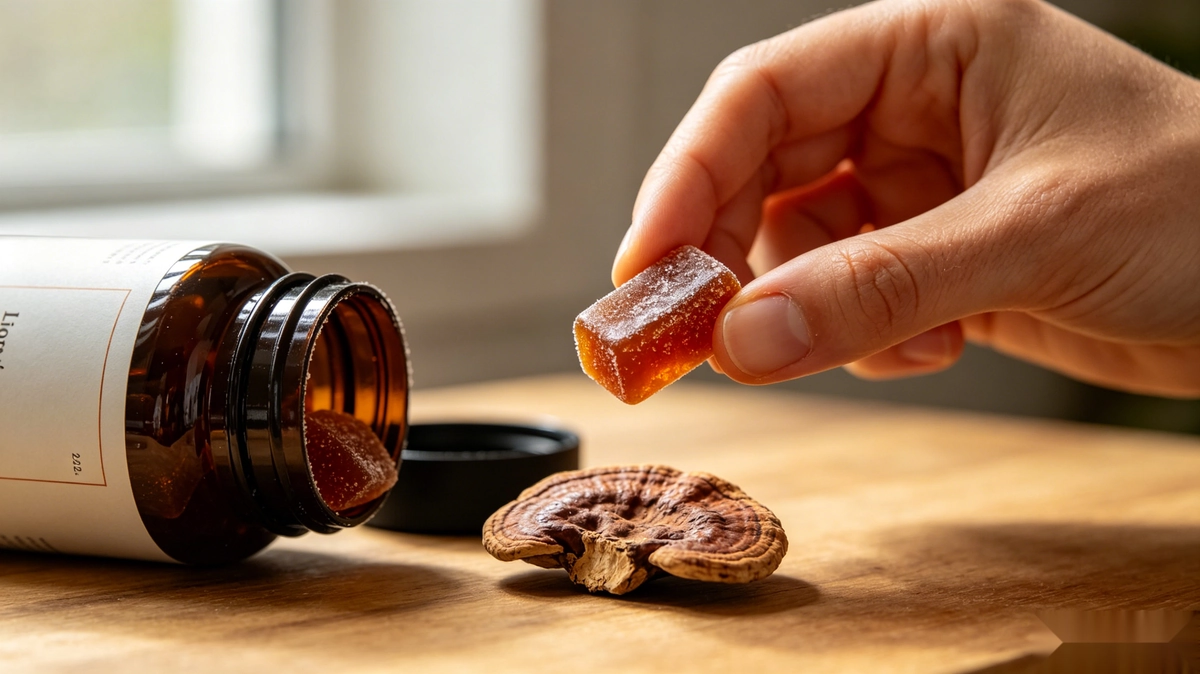
Vegan Hair Vitamin Gy look straightforward on a product brief: replace gelatin with pectin, add biotin, choose a berry flavor, and move into production.
In practice, that approach leaves several important questions unanswered. Is the entire formula vegan, or only the gummy base? Do the selected minerals fit into a reasonable serving size? Can the flavor system cover the taste of zinc or botanical extracts? Does the product support the claims planned for its target market?
For supplement brands, a successful hair gummy is not built by adding the longest possible ingredient list. It comes from balancing ingredient sourcing, dosage, taste, texture, stability, labeling, and cost before the first commercial batch is produced.
This guide explains the decisions that matter when developing vegan hair vitamin gummies for private label or custom manufacturing.
A Pectin Base Does Not Make the Whole Formula Vegan
Pectin is commonly used in vegan gummies because it is plant-derived, unlike conventional gelatin. However, changing the gelling agent does not automatically make the finished supplement vegan.
The dietary definition of veganism excludes products derived wholly or partly from animals. For a gummy supplement, that review needs to cover more than the main ingredients shown on the front label.
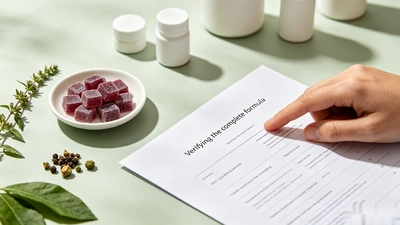
Active ingredients may be available from different sources. Vitamin D3, for example, can be sourced from lanolin or from vegan alternatives such as lichen. Collagen and conventional keratin are generally animal-derived, while certain amino acids, carriers, or processing materials may also require source verification.
The same applies to ingredients that receive less attention during early product planning:
| Formula component | What the buyer should verify |
|---|---|
| Gummy base | Pectin source and complete gelling system |
| Active ingredients | Plant, synthetic, microbial, or animal origin |
| Flavors and colors | Source, carriers, and supporting materials |
| Coating system | Oils, waxes, and anti-stick materials |
| Processing aids | Materials used during production but not always emphasized on the label |
| Documentation | Vegan declarations and ingredient-source statements |
A supplier saying “we use pectin” is therefore not enough. Brands should ask whether the complete formula has been reviewed, including colors, flavors, coating materials, carriers, and processing aids.
Using a pectin base is only the first step. Brands that need to review excipients, coatings, supplier declarations, and other dosage forms can use our vegan supplement manufacturing checklist before approving the formula.
Start With the Product Positioning, Not the Ingredient List
A common mistake is to begin product development with a long list of popular hair ingredients. Biotin, zinc, selenium, folate, vitamin B12, vitamin C, vitamin E, bamboo extract, amla, MSM, and amino acids may all sound attractive on a marketing brief.
That does not mean they belong in the same gummy.
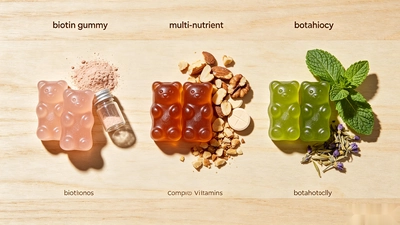
The better starting point is the type of product the brand wants to sell, who it is for, and how it should be positioned against competing products.
Simple Biotin-Led Formula
A simple formula may combine biotin with selected B vitamins or folate. It is usually easier to explain, easier to flavor, and less demanding in terms of gummy capacity.
This direction can work well for:
- New supplement brands
- Entry-level beauty products
- Price-sensitive markets
- Projects that need a shorter ingredient list
- Brands that want a familiar hero ingredient
Its main weakness is differentiation. Biotin gummies are already common, so the flavor, packaging, dosage strategy, brand identity, and supporting nutrients need to give the product a clear reason to exist.
For brands that prefer a short, recognizable formula, a biotin and folic acid hair gummy can be a more practical starting point than a heavily loaded botanical blend.
Multi-Nutrient Hair Formula
A broader formula may combine biotin with zinc, selenium, B vitamins, vitamin C, or vitamin E. This creates a more substantial Supplement Facts panel and may support a wider beauty-positioning strategy.
The tradeoff is that minerals take up more formula space and may affect taste. Once several nutrients are added at meaningful levels, the brand may need to accept a larger gummy, a two- or three-gummy daily serving, or a narrower list of supporting ingredients.
A formula with ten ingredients is not automatically better than one with five. What matters is whether the selected ingredients work together at sensible levels and still produce a gummy consumers will want to take every day.
Botanical or Premium Formula
Botanical extracts can make a hair gummy feel less generic. Ingredients such as bamboo extract, amla, or selected antioxidant-rich plant extracts may help create a premium or beauty-from-within concept.
They also make development more difficult.
Many botanical extracts bring a noticeable taste, odor, or natural color. A plant extract that looks attractive on a label may create bitterness in the finished gummy or cause the color to shift during storage. Some extracts also require much more space than vitamins used at microgram or low-milligram levels.
A premium formula should not be built by adding botanicals simply for label appeal. Each extract needs a clear role, a realistic use level, and a flavor plan.
Sugar-Free Vegan Formula
Vegan and sugar-free are separate product decisions.
A vegan gummy can still contain conventional sugar and glucose syrup. A sugar-free gummy requires a different sweetener system, and that change can affect texture, moisture behavior, flavor release, and digestive tolerance.
For that reason, brands should decide early whether sugar-free positioning is central to the product. Treating it as a late formula adjustment often creates unnecessary redevelopment.
If the concept extends beyond hair support into skin and nails, it is also worth comparing it with broader beauty supplement formats before finalizing the ingredient list.
What Actually Fits Into a Hair Gummy?
A gummy has limited physical space. Part of its weight must be reserved for the ingredients that create the gummy itself: the gelling system, sweeteners, acids, flavors, colors, moisture, and other supporting materials.
The remaining capacity is available for active ingredients.
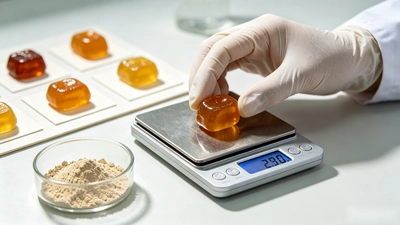
That distinction matters because a formula can look reasonable in a spreadsheet and still be difficult to produce as a pleasant, stable gummy.
Gummy Capacity and Daily Serving
Ingredients such as biotin are used in relatively small quantities and do not place much pressure on gummy capacity. Minerals, amino acids, MSM, and many botanical extracts are different. They may require tens or hundreds of milligrams per serving.
As active load increases, the development team usually has four choices:
- Increase the weight of each gummy.
- Increase the number of gummies per daily serving.
- Reduce the dose of one or more ingredients.
- Remove lower-priority ingredients from the formula.
Each choice affects the product.
A larger gummy may feel less comfortable to chew. A three- or four-gummy serving increases the bottle count and cost per daily serving. Reducing every ingredient to make the panel fit may create an impressive-looking label with very little of each active.
This is why the brand should define its priorities before sample development. A good product brief identifies the hero ingredients, target serving size, expected bottle count, market position, and acceptable cost range.
Taste and Odor
Taste problems are rarely visible on the first formula proposal.
Zinc can produce a metallic note. Some B vitamins have a distinct odor. Botanical extracts may be bitter, earthy, or astringent. MSM and certain sulfur-containing ingredients can be especially challenging in a sweet fruit gummy.
A stronger flavor does not always solve the problem. Adding more acid or flavor may cover the first taste while leaving an unpleasant aftertaste. It can also push the gummy toward an overly sour or artificial profile.
The flavor system needs to be developed around the active formula, not selected independently from it. A mixed-berry flavor may work with one vitamin blend and fail with another formula containing minerals and dark botanical extracts.
Texture, Color, and Stability
Active ingredients also interact with the gummy structure.
Changes in acidity, mineral load, solids, and moisture can affect how the pectin sets. A gummy may become too soft, too firm, sticky, or prone to moisture pickup. Natural colors may fade or shift, especially when combined with strongly colored botanical ingredients.
The first sample should therefore be treated as the beginning of development rather than proof that the formula is finished. Texture, flavor, color, and potency need to remain acceptable after packaging and storage, not only on the day the sample is produced.
These issues should be addressed during gummy formula development, before the Supplement Facts panel, label claims, and packaging have been locked.
Ingredient Choices That Need More Care
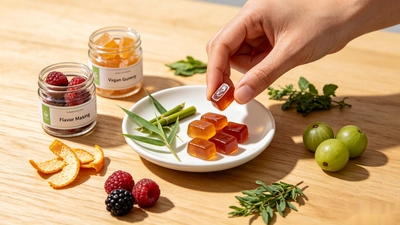
The strongest hair gummy formula is not necessarily the one with the most fashionable ingredients. It is the one in which each ingredient fits the product positioning, dosage form, target market, and serving size.
Familiar Ingredients With Strong Label Recognition
Biotin remains one of the most recognizable ingredients in hair supplements. It gives consumers an immediate reference point and works well as the lead ingredient in a simple formula.
That recognition can also lead brands toward unnecessarily high doses. A larger number on the label may look commercially attractive, but it should not be used as the only point of differentiation.
The NIH review of biotin notes that large supplemental intakes may interfere with certain laboratory tests. Dose selection should therefore consider not only marketing, but also labeling, warnings, and responsible consumer communication.
Selected B vitamins, folate, vitamin C, and vitamin E may support a broader beauty formula, but they should be chosen as part of a coherent concept. Adding an ingredient because it appears in competing products is not a formulation strategy.
Minerals and Botanicals That Affect Flavor
Zinc and selenium are often considered for multi-nutrient hair formulas. Their inclusion should be evaluated against taste, serving size, and the nutrient levels appropriate for the destination market.
Minerals can be difficult to mask, particularly in formulas that also use botanical extracts. A product containing zinc, selenium, bamboo extract, amla, and several B vitamins may need more flavor work than a simpler biotin formula.
The final sample should be judged for more than sweetness. Buyers should pay attention to:
- Metallic notes
- Bitterness
- Aroma when the bottle is opened
- Aftertaste
- Mouthfeel
- Flavor changes after chewing
- Consumer-friendly daily serving size
A formula that performs well on paper but tastes unpleasant is unlikely to support repeat purchases.
Collagen, Keratin, and “Vegan Collagen” Positioning
Collagen creates a particular challenge for vegan hair gummies because conventional collagen peptides are animal-derived. Conventional keratin is also generally sourced from animal materials.
This does not mean a vegan beauty gummy cannot use collagen-related positioning. It does mean the language needs to match the actual formula.
Many products marketed as “vegan collagen” do not contain plant-derived collagen. Instead, they contain nutrients intended to support the body’s normal collagen production or a “collagen builder” blend of vitamins, minerals, amino acids, and botanical ingredients.
That distinction should be clear on the label and in marketing materials. A collagen-support formula should not be presented in a way that suggests it contains conventional collagen peptides when it does not.
Brands planning a strict vegan product should also check related materials, including encapsulated flavors, carriers, coatings, and vitamin sources. The front-label concept and the technical formula need to tell the same story.
Vegan, Gelatin-Free, and Sugar-Free Are Different Claims
Clean-label terms are often grouped together during product planning, but they do not mean the same thing.
| Claim | What it describes |
|---|---|
| Vegan | The origin of ingredients and relevant processing materials |
| Gelatin-free | The absence of gelatin, but not necessarily all animal-derived materials |
| Sugar-free | The sugar and sweetener system |
| Natural color | The source category of the color system |
| Non-GMO | Ingredient sourcing and supporting documentation |
| Organic | Compliance with an applicable organic certification program |
| Allergen-free | Formula, raw material, and manufacturing-site considerations |
A pectin gummy may be gelatin-free without meeting a brand’s full vegan standard. A vegan gummy may contain sugar. A naturally colored gummy is not automatically organic or non-GMO.
These distinctions should be settled before packaging design begins. Otherwise, the front label may promise a product position that the supporting documentation cannot fully verify.
The safest approach is to create a claim checklist for the exact target market and confirm what evidence is available for each claim.
What to Check Before Approving a Sample
Sample approval should not be based on flavor alone.
A gummy can taste good and still have an impractical serving size, unclear ingredient sourcing, incomplete documentation, or label claims that do not fit the target market.
Before approving a vegan hair gummy sample, buyers should review four areas.
Formula Review
Confirm:
- The source and form of every active ingredient
- The complete vegan status of the formula
- The quantity of each active per daily serving
- The number and weight of gummies per serving
- The use of flavors, colors, carriers, coatings, and processing aids
- Whether the formula is designed for the intended sales market
The formula should be reviewed as a finished product, not as a list of isolated raw materials.
Sensory and Physical Review
Evaluate:
- Flavor
- Aroma
- Aftertaste
- Sweetness and acidity
- Texture
- Stickiness
- Gummy size
- Shape
- Color
- Appearance after the bottle has been opened
It is also useful to consider the consumer experience. A formula that requires four large gummies per day may be technically possible but commercially inconvenient.
Documentation Review
Depending on the formula and destination market, the documentation package may include:
- Raw material specifications
- Raw material COAs
- Vegan declarations
- Ingredient-source statements
- Allergen statements
- Finished-product specifications
- Microbiological and heavy-metal test results
- Stability or shelf-life support
- Batch records and traceability documents
- Finished-product COA
Before approving a commercial batch, buyers should understand what a supplement COA should include, including the correct batch number, specifications, test results, units, and test methods.
A COA should match the product being shipped. A generic example report or raw material COA does not replace finished-product batch documentation.
Label and Claims Review
Claims should be reviewed for the country in which the product will be sold.
For the United States, brands should distinguish general marketing language from regulated supplement claims. The FDA’s structure/function claim guidance explains that these claims must be truthful, not misleading, and supported by evidence. They also cannot turn the supplement into a product presented as diagnosing, treating, curing, or preventing a disease.
Claims such as “treats alopecia,” “stops hair loss,” or “regrows thinning hair” should not be treated as ordinary supplement language.
European Union requirements are different. For example, the authorized EU claim for biotin refers to the maintenance of normal hair and is subject to conditions of use.
A label written for the U.S. market should not simply be reused for the EU, the United Kingdom, Southeast Asia, or the Middle East without a separate review.
Private Label Options for Vegan Hair Vitamin Gummies
Brands generally have two development routes: start with an existing base formula or build a custom formula.
A stock or lightly modified formula may be suitable when speed, budget, and lower development risk are the main priorities. A custom formula offers more differentiation but requires additional work on dosage, flavor, stability, ingredient sourcing, and label positioning.
Customization may include:
- Biotin and supporting nutrient levels
- Mineral and botanical combinations
- Sugar or sugar-free systems
- Flavor and color
- Gummy shape and size
- Daily serving
- Bottle count
- Label and packaging design
- Market-specific documentation
Jiabei Health supports custom and private label vegan gummies with pectin-based formula development, flavor adjustment, packaging customization, batch-level COAs, and export documentation. Our manufacturing systems are supported by GMP, FSSC 22000, BRCGS, HACCP, Halal, and Kosher standards.
For certain standard bottle projects, flexible MOQs may begin at 500 bottles, depending on the formula, shape, packaging materials, and customization requirements. Standard production lead time is generally around 15 days after formula, packaging, and material approval, with rush scheduling available for suitable projects.
Brands that need support from formulation through packaging can review the full private label supplement manufacturing process before preparing a quotation request.
Frequently Asked Questions
Are all pectin hair gummies vegan?
No. Pectin provides a plant-based alternative to gelatin, but the rest of the formula still needs to be reviewed. Active ingredients, flavors, colors, carriers, coatings, and processing aids may come from different sources. Buyers should request vegan declarations and ingredient-source documentation for the complete formula.
Can vegan hair gummies contain collagen?
Conventional collagen peptides are animal-derived and are not suitable for a strict vegan formula. A vegan product may instead use a collagen-builder concept based on selected vitamins, minerals, amino acids, or botanical ingredients. The label should make the distinction clear.
Are vegan hair gummies automatically sugar-free?
No. Vegan refers to ingredient origin, while sugar-free refers to the sweetener system and applicable labeling rules. A vegan pectin gummy may still contain sugar and glucose syrup. Developing a sugar-free version usually requires separate texture and flavor work.
How many active ingredients can be added to a hair gummy?
There is no universal number. The practical limit depends on the dose of each ingredient, gummy weight, daily serving, flavor, texture, stability, and target cost. A short formula with meaningful levels is often more useful than a long formula in which every ingredient has been reduced simply to fit the label.
Conclusion
Developing vegan hair vitamin gummies involves more than replacing gelatin with pectin. The complete ingredient system needs to be checked, and the formula must still work as a gummy.
The most successful projects begin with a clear product position. Once the target market, hero ingredients, daily serving, claims, flavor, and cost range are defined, the manufacturer can evaluate what is technically and commercially realistic.
A good hair gummy does not need the longest ingredient list. It needs a formula consumers understand, a taste they will accept, documentation buyers can verify, and a product position the brand can support after launch.
Brands preparing a new project can submit their product requirements with the target market, preferred ingredients, serving size, flavor, and packaging format for an initial feasibility review.