Lead time commitments are one of the first things brands compare when evaluating a new supplement manufacturer.Changing supplement manufacturers lead time is one of the most underestimated risks during supplier transitions, especially for established brands and distributors. On paper, production timelines often look similar: 15 days, 20 days, 30 days. Quotes align, emails sound confident, and capacity appears available. Yet once production begins, delays emerge unexpectedly. Launch schedules slip, inventory gaps appear, and internal teams are left explaining missed deadlines.

When brands switch supplement manufacturers, lead time issues are rarely caused by a single mistake. Instead, they result from structural differences in how factories plan production, allocate resources, and manage new customers. These differences are difficult to detect during quotation stages but become visible only after orders enter the production system.
Why Lead Times Look Similar During Quotation
During early discussions, manufacturers typically quote lead times based on ideal conditions rather than operational reality. These estimates assume stable raw material availability, uninterrupted production lines, and complete documentation from the start. For existing long-term customers, these assumptions may hold. For new customers, they often do not.
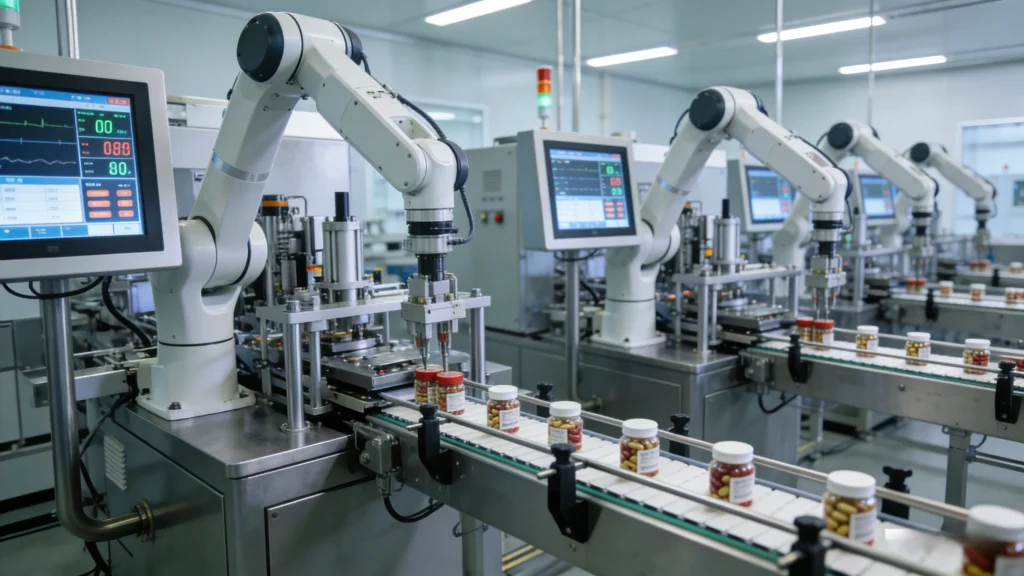
Quoted lead times usually reflect the fastest possible scenario, not the most realistic one. Brands switching suppliers often compare these numbers directly without understanding that identical timelines may be supported by very different internal systems.
This is where many transitions begin to drift off schedule without anyone recognizing the warning signs.
Production Scheduling Is the First Hidden Risk
Production scheduling determines whether a factory can reliably meet timelines when demand fluctuates. Some manufacturers design schedules around long-term customers, reserving capacity and limiting intake to protect predictability. Others maximize throughput, constantly reshuffling schedules to accommodate new orders.
For a new customer, this distinction matters more than the quoted lead time itself. Even if a factory has available capacity, new orders are often placed behind existing commitments. Changeovers between formulas, dosage forms, or packaging formats further complicate scheduling.
A production plan that looks efficient on paper may lack buffers for onboarding new customers. As a result, first orders are frequently delayed not because production is slow, but because production priorities are misaligned.
Raw Material Allocation Changes After Switching Suppliers
Raw material management is another area where lead times quietly break down. Established suppliers typically hold inventory for key clients or maintain long-term sourcing agreements. New customers, however, are often supplied from spot purchases or newly allocated batches.
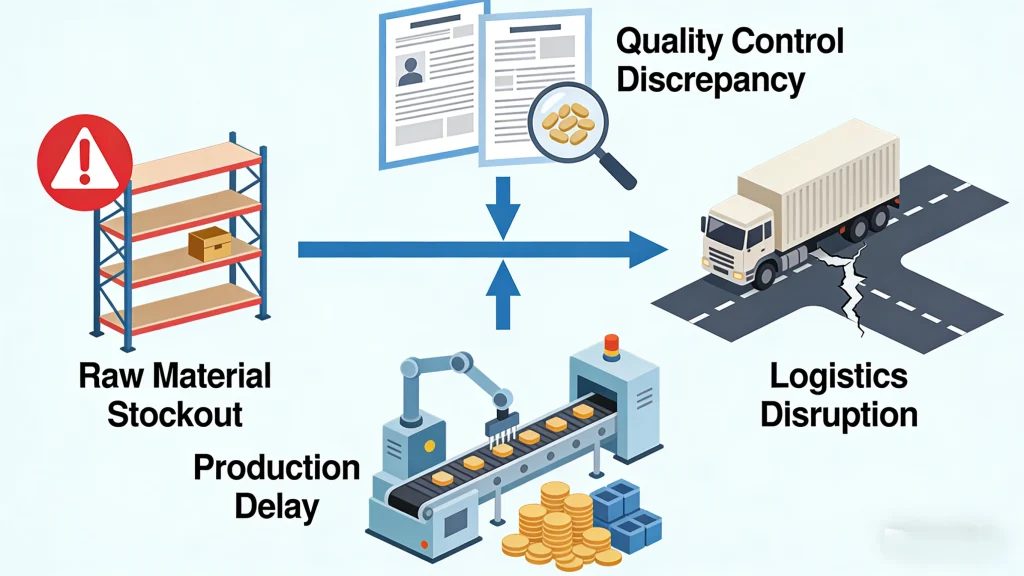
When raw materials are not pre-reserved, lead times become vulnerable to supplier delays, testing backlogs, or batch rejections. Even small disruptions at this stage can cascade into production delays later.
This risk is rarely discussed during initial conversations, yet it plays a decisive role in whether timelines remain stable once production begins.
Documentation and Testing Often Extend Timelines More Than Production
Many brands assume that production itself is the primary time constraint. In reality, documentation and testing frequently cause longer delays than manufacturing.
Batch documentation, packaging approvals, labeling verification, and testing schedules must align before release. If any of these steps require revision or clarification, timelines stretch quickly. This is especially common when working with a new manufacturer whose documentation workflows are unfamiliar to the brand.
Testing schedules also vary widely between facilities. Some manufacturers integrate testing seamlessly into production flow, while others queue samples externally, creating unpredictable waiting periods.
Why First Orders Are the Least Predictable
The first production run with a new supplement manufacturer is almost always the least reliable indicator of long-term performance. During initial orders, both sides are learning each other’s processes, expectations, and communication rhythms.
Internal teams adjust workflows, quality teams refine documentation standards, and production staff adapt to new formulations or packaging requirements. These adjustments take time, regardless of experience.
This is why many supplier transitions fail quietly. Brands interpret early delays as warning signs of incompetence rather than natural onboarding friction. Understanding this distinction is essential when evaluating long-term supplier performance.
Many of these early disruptions are part of broader supplier transition risks, which are explored further in “Why Switching Supplement Manufacturers Fails More Often Than Brands Expect”.
Communication Gaps Multiply Lead Time Delays
Communication breakdowns amplify every scheduling and documentation issue. Missing confirmations, unclear specifications, and late feedback often extend timelines more than physical production constraints.
Each clarification cycle introduces new waiting periods, particularly when multiple departments are involved. Packaging, quality, procurement, and logistics teams may operate on different timelines, compounding delays if coordination is weak.
Factories with structured onboarding processes reduce these risks by anticipating questions before they arise. Without such systems, even minor uncertainties can stall progress for days or weeks.
How to Evaluate Lead Time Reliability Before Switching
Evaluating lead time reliability requires looking beyond quoted timelines. Brands should assess how a manufacturer manages scheduling priorities, raw material allocation, testing workflows, and communication processes.
Rather than focusing solely on promised delivery dates, buyers should examine how production timelines are achieved in practice. This includes understanding customer mix, capacity planning strategies, and documentation readiness.
A structured evaluation approach helps brands avoid surprises after switching suppliers. For a broader framework on assessing manufacturers without disrupting supply continuity, see “How to Evaluate a New Supplement Manufacturer Without Disrupting Supply”.
Conclusion
When supplement manufacturers fail to meet lead time commitments after a supplier switch, the issue is rarely price, equipment, or intent. It is usually a mismatch between expectations and operational reality.
Lead time reliability depends on systems, not promises. Brands that understand how scheduling, materials, documentation, and communication interact are better positioned to manage transitions without disruption.
Switching manufacturers does not inherently increase risk. Misunderstanding how lead times are actually delivered does.