Most creatine and caffeine gummy projects do not fail because of flavor or packaging.
They fail at the compliance stage.
For serious buyers, the first real question is not “Can you produce gummies?”
It is:
Can this manufacturer provide third-party COAs, heavy metal screening, and adulterant testing that stand up to import inspection, retail audits, and regulatory review?

If you are sourcing a third party COA gummy manufacturer for high-active ingredients like creatine or caffeine, this article explains what matters, what reputable labs actually test, and what documentation a qualified supplier should provide before production begins.
Why Third-Party COAs Are a Buyer Filter (Not a Marketing Extra)
A Certificate of Analysis is often treated as a routine document.
In reality, for high-demand actives such as creatine monohydrate or caffeine anhydrous, third-party COAs function as a supply chain firewall.
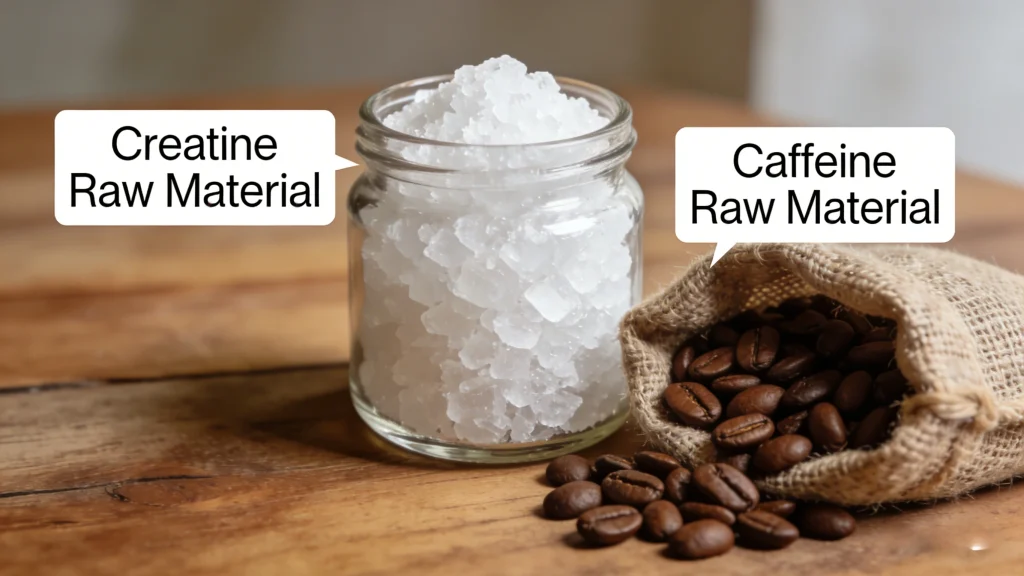
Buyers use them to confirm three things:
- Ingredient identity (is it truly creatine or caffeine?)
- Contaminant safety (heavy metals and microbial risk)
- Adulteration risk (illegal stimulants or nitrogen spiking)
This is why experienced importers increasingly require independent labs such as Eurofins or SGS, not only internal factory testing.
A third party COA gummy manufacturer is expected to support this level of verification as a standard procurement step.
What Eurofins or SGS Testing Typically Covers for Creatine and Caffeine
When buyers request third-party COAs for creatine gummies, they are not asking for a simple potency number.
They are asking for a full analytical panel.
A reputable lab package commonly includes:
1. Identity Confirmation
Creatine and caffeine are frequently traded commodities.
Identity testing may include:
- FTIR or HPLC fingerprinting
- Specific marker confirmation
- Comparison against pharmacopeial reference standards
This ensures the ingredient is not substituted with lower-grade material.
2. Potency and Assay Validation
For high-active gummies, dosage accuracy depends on upstream potency.
Labs typically confirm:
- Creatine content (percent by weight)
- Caffeine assay (mg/g concentration)
- Batch-to-batch variance
Potency testing becomes critical when actives are formulated close to stability limits in pectin systems.
3. Heavy Metal Screening (Core Buyer Requirement)
Heavy metal testing is no longer optional for North American and EU buyers.
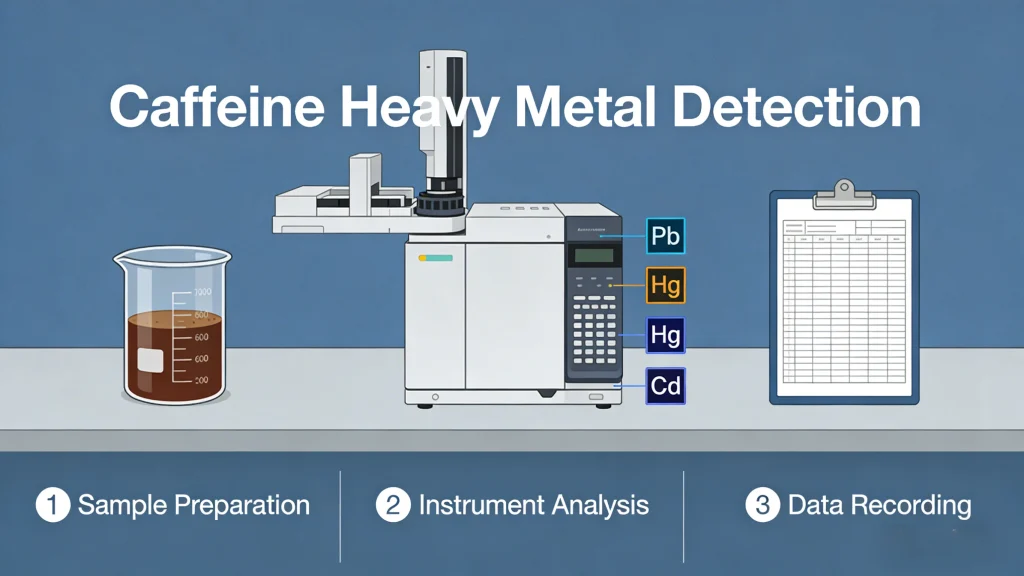
A heavy metal testing caffeine supplier should provide results for at least:
- Lead (Pb)
- Arsenic (As)
- Cadmium (Cd)
- Mercury (Hg)
Most labs use ICP-MS methods aligned with USP <232>/<233>.
For gummy supplements, this is particularly important because:
- Concentrated botanical extracts may carry metal residues
- Certain mineral-based excipients can contribute contamination
A qualified manufacturer should be able to provide both raw material COAs and finished-product heavy metal panels.
4. Microbial and Pathogen Testing
Even though creatine and caffeine are low-water materials, gummy products are not.
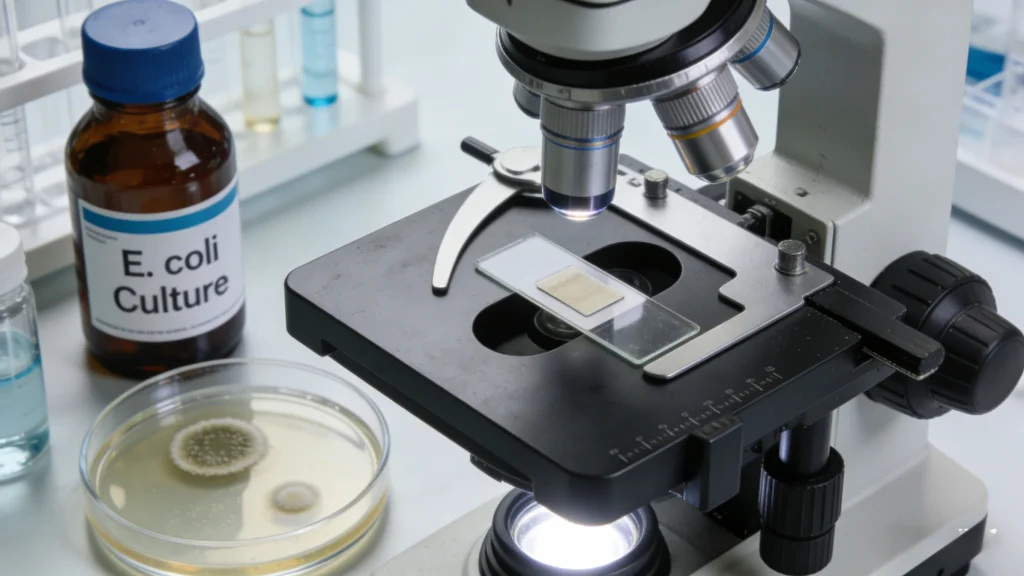
Common microbial panels include:
- Total Plate Count
- Yeast and Mold
- E. coli
- Salmonella
- Staphylococcus aureus
For pectin gummies, water activity management is part of microbial control, but buyers still expect documentation.
5. Adulterant and Illegal Stimulant Screening
This is where creatine and caffeine supply chains face real risk.
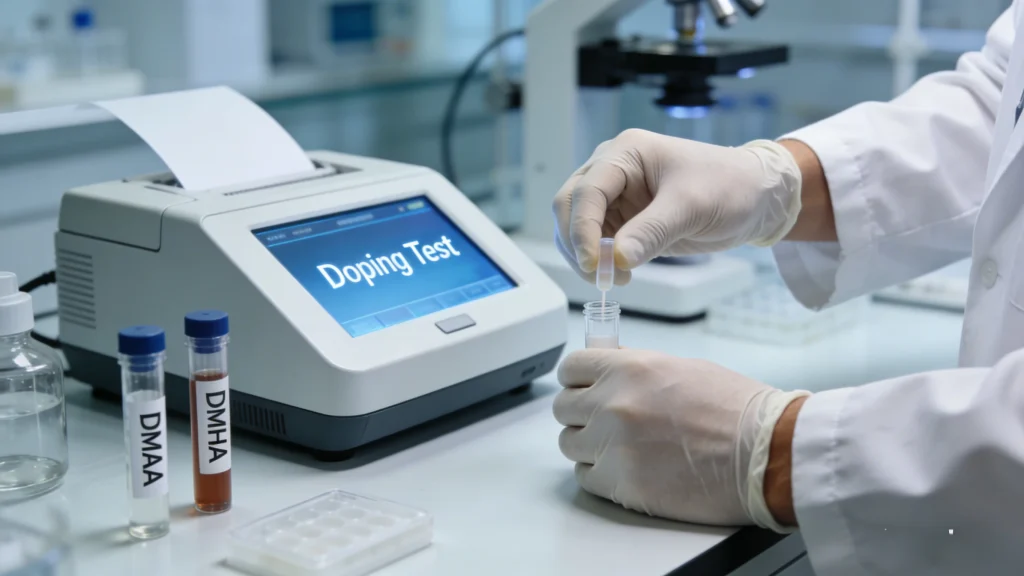
Buyers may request screening for:
- DMAA / DMHA stimulants
- Synthetic adulterants
- Nitrogen spiking agents
This is especially relevant for products positioned as energy gummies or sports performance gummies.
A third party COA gummy manufacturer should be prepared to support these requests when the ingredient category demands it.
Raw Material COA vs Finished Gummy COA (Buyers Should Ask for Both)
Many suppliers provide only a raw ingredient COA.
Serious buyers understand that two levels are required:
Raw Material COA
Confirms the incoming creatine or caffeine meets specification.
Finished Product COA
Confirms the gummy batch maintains:
- Label claim potency
- Contaminant safety
- Stability through shelf-life
If a manufacturer cannot support finished gummy testing, buyers should treat that as a risk signal.
What Buyers Should Request Before Signing a Contract
A practical procurement checklist includes:
- Third-party lab name (Eurofins, SGS, Intertek, etc.)
- Heavy metal panel results
- Identity assay method used
- Batch traceability (lot numbers aligned to production)
- Adulterant screening when applicable
- COA availability for both raw and finished goods
This documentation is what separates compliant contract manufacturing from basic confectionery production.
Jiabei Health Compliance Support for Global Private Label Buyers
At Jiabei Health, our gummy manufacturing is designed for export-focused brands that require more than standard paperwork.
We support:
- Complete COA documentation packages
- Heavy metal and microbial testing aligned with buyer markets
- GMP-based quality systems with full batch traceability
- OEM/ODM formulation support for high-active ingredients
- Custom packaging and DDP logistics documentation assistance
For buyers developing creatine gummies, caffeine energy gummies, or other high-demand actives, third-party verification is built into responsible sourcing.
Related Reading (Internal Linking Structure)
If you are evaluating high-active gummy feasibility, these topics are typically reviewed next:
- Maximum Active Load Limits in Pectin Gummies
- Bitterness Masking Technologies for Caffeine Gummies
- MOQ and Lead Time for First Production Runs
These are the same technical questions serious procurement teams ask before approval.
FAQ
Can a gummy manufacturer provide Eurofins or SGS COAs?
Yes. Qualified gummy manufacturers can coordinate third-party testing through labs such as Eurofins or SGS, covering identity, potency, heavy metals, and microbial safety.
Do creatine and caffeine gummies require heavy metal testing?
Most North American and EU buyers require heavy metal panels (Pb, As, Cd, Hg) for both raw materials and finished gummy batches.
What is the difference between a raw material COA and a finished product COA?
A raw COA confirms ingredient quality before production, while a finished product COA confirms dosage accuracy and contaminant safety after gummy manufacturing.
Do buyers request adulterant screening for caffeine gummies?
Often yes, especially for energy-positioned products. Screening may include illegal stimulants such as DMAA or other synthetic adulterants.