From an OEM manufacturing standpoint, BPC-157 peptide capsules are not a universal solution for every peptide project. While capsule formats offer clear advantages in handling and presentation, their suitability depends heavily on project stage, dosage strategy, documentation expectations, and commercial objectives.
This article outlines when capsule-based BPC-157 projects make commercial and operational sense, and just as importantly, when alternative formats should be considered instead. The goal is to help experienced buyers make informed go / no-go decisions before committing resources to capsule-based development.
Evaluating Project Readiness Before Choosing Capsule Format
In factory-side evaluations, the first question is rarely “Can this be made?” but rather “Does this project justify a capsule format at this stage?”
Capsule-based BPC-157 projects are typically appropriate when:
- The target dosage range has been clearly defined
- The peptide is intended for repeated batch production
- Packaging and presentation are part of the project scope
- Documentation requirements extend beyond raw material COA
When these conditions are not yet met, capsule development often introduces unnecessary complexity.
When BPC-157 Peptide Capsules Are a Practical Choice
Based on OEM production experience, capsule formats tend to make sense under the following conditions:
Defined Dosage Strategy
Projects with a stable, fixed dosage requirement are better suited to capsule formats. Capsules allow buyers to evaluate dosage consistency and finished-product specifications at the unit level.
Early Commercial Planning
For buyers exploring private-label or early commercialization pathways, capsule-based formats provide a clearer transition from research to packaged product concepts.
Documentation-Driven Projects
Capsule formats align well with projects that require batch-level documentation, traceability, and finished-product records rather than raw material data alone.
In these scenarios, BPC-157 peptide capsules offer a structured framework for both manufacturing and procurement evaluation.
Situations Where Capsule Format May Not Be Ideal
Equally important is recognizing when capsule-based BPC-157 projects are not the optimal choice. From a factory perspective, caution is warranted when:
- The intended dosage is extremely low and subject to frequent adjustment
- The project remains in exploratory formulation stages
- Buyers require frequent formulation changes
- Packaging and presentation are not immediate priorities
In these cases, raw peptide formats or intermediate solutions may provide greater flexibility with lower operational risk.
OEM Considerations: MOQ, Packaging, and Documentation Alignment
Capsule-based projects introduce additional commercial variables that must be aligned early in the sourcing process.
Key OEM considerations include:
- Minimum order quantities driven by encapsulation setup
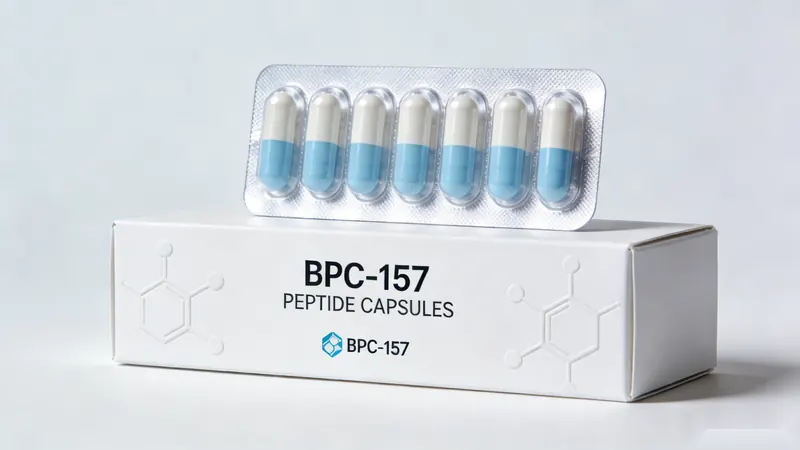
- Packaging configuration and labeling scope
- Documentation requirements tied to finished dosage forms
- Lead time implications for capsule production
Projects that address these factors upfront tend to progress more smoothly through development and into repeat production.
Private Label Readiness and Capsule-Based Positioning
From a private-label perspective, capsule formats offer advantages in presentation and consistency, but only when the underlying project parameters are stable.
Capsule-based BPC-157 projects are better suited for buyers who:
- Have defined brand positioning goals
- Understand their target application context
- Are prepared to align formulation decisions with manufacturing realities
When these conditions are met, capsule formats can support scalable OEM programs rather than one-off evaluation batches.
Supplier Selection: What Experienced Buyers Should Confirm
Selecting a supplier for capsule-based BPC-157 projects requires evaluating more than peptide sourcing capabilities.
Experienced buyers typically confirm:
- Process-level dosage control experience
- Batch repeatability under scale-up conditions
- Capsule manufacturing infrastructure
- Documentation practices aligned with finished products
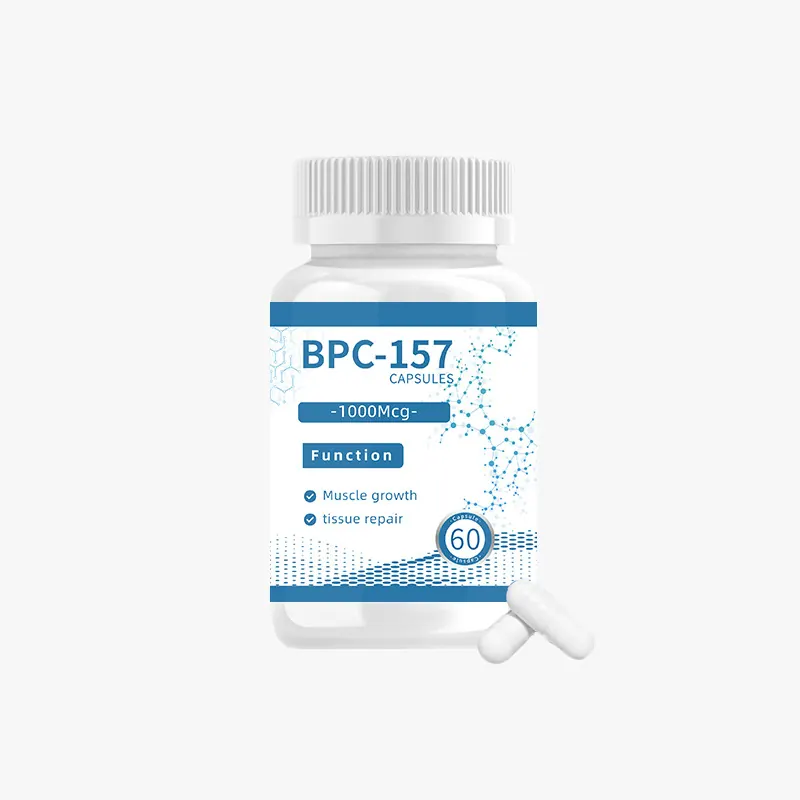
Detailed specifications and OEM readiness for capsule-based projects can be reviewed on the BPC-157 peptide capsules product page.
Summary: Making the Go / No-Go Decision
From an OEM manufacturing perspective, BPC-157 peptide capsules are best suited for projects that have moved beyond exploratory research and into structured development.
Capsule formats support:
- Defined dosage evaluation
- Batch-level documentation
- Private-label readiness
They are less suitable for projects requiring constant adjustment or minimal structural commitment.
Understanding these boundaries helps buyers allocate resources more effectively and avoid downstream complications.
Frequently Asked Questions on BPC-157 Capsule OEM Projects
When should a BPC-157 project move from powder to capsule format?
A project is typically ready for capsule format once dosage targets are stable and packaging considerations become relevant. Early-stage formulation exploration is often better served by raw peptide formats.
Are BPC-157 peptide capsules suitable for small trial quantities?
Capsule projects generally involve higher setup requirements than raw materials. While pilot batches may be possible, capsule formats are better suited for structured evaluation or repeat production.
How does capsule format affect OEM lead times?
Encapsulation, packaging, and documentation steps add complexity to production timelines. Lead times should be evaluated in relation to project scope and batch size.
What documentation should buyers expect for capsule-based projects?
In addition to peptide identity data, buyers should expect batch-level records, capsule specifications, and traceability documentation aligned with finished products.
Can capsule-based BPC-157 projects scale reliably?
Yes, provided that dosage control, blending protocols, and capsule parameters are validated early and maintained consistently across production runs.