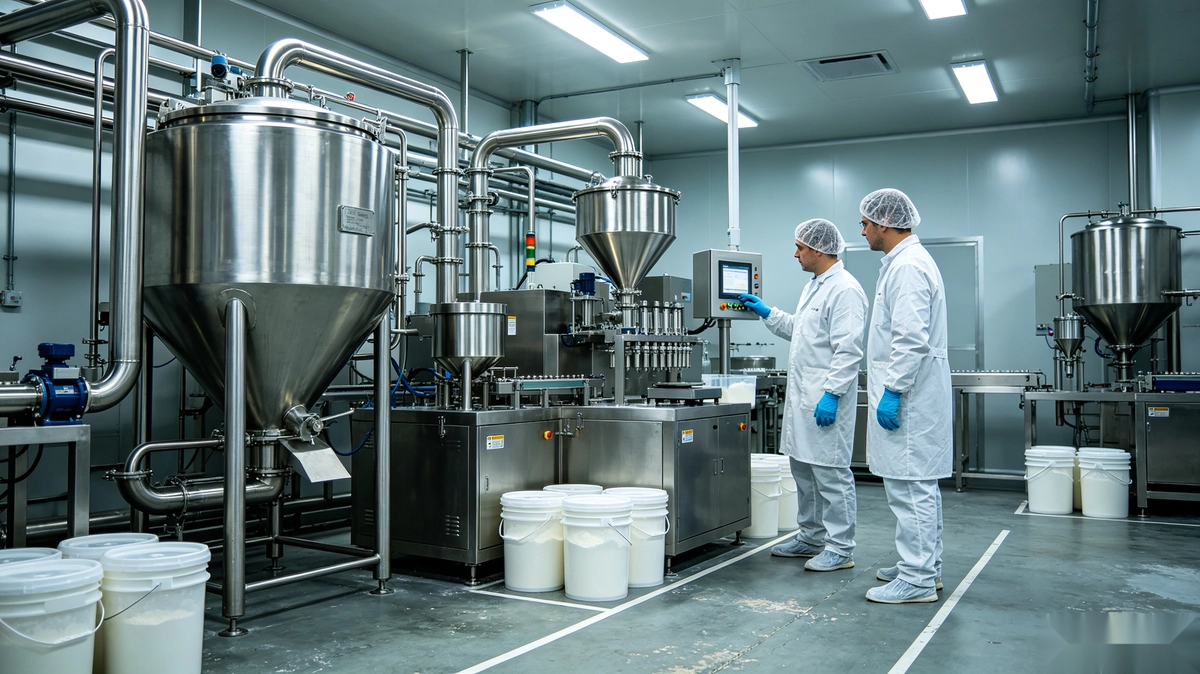
Manufacturing performance audits are often treated as a reliable way to evaluate supplement manufacturers, yet they frequently fail to predict how facilities perform under real production pressure.Factory audits and on-site tours are often treated as decisive steps in selecting a new supplement manufacturer. Clean facilities, documented procedures, and confident presentations create a sense of assurance. Yet many brands discover later that strong audit results do not translate into stable production, consistent quality, or reliable lead times.

Audits and factory tours are useful, but they are frequently misunderstood. They capture how a facility looks and operates at a specific moment, not how it performs under real production pressure. Understanding this limitation is critical for brands that rely on audits as their primary decision tool.
Audits Measure Compliance, Not Operational Behavior
Most audits are designed to verify compliance against defined standards. They check whether procedures exist, records are maintained, and corrective actions are documented. What audits do not measure well is how these systems behave during peak demand, schedule conflicts, or unexpected disruptions.
A manufacturer can pass an audit while still struggling with execution. Procedures may be followed when auditors are present, but applied inconsistently when priorities shift. This gap between documented compliance and day-to-day behavior is one of the most common reasons audits fail to predict real performance.
Factory Tours Show Conditions, Not Workflows
Factory tours provide visual reassurance. Brands see equipment, staff, and production lines in operation. However, tours are typically curated. They highlight stable lines, experienced operators, and prepared batches.
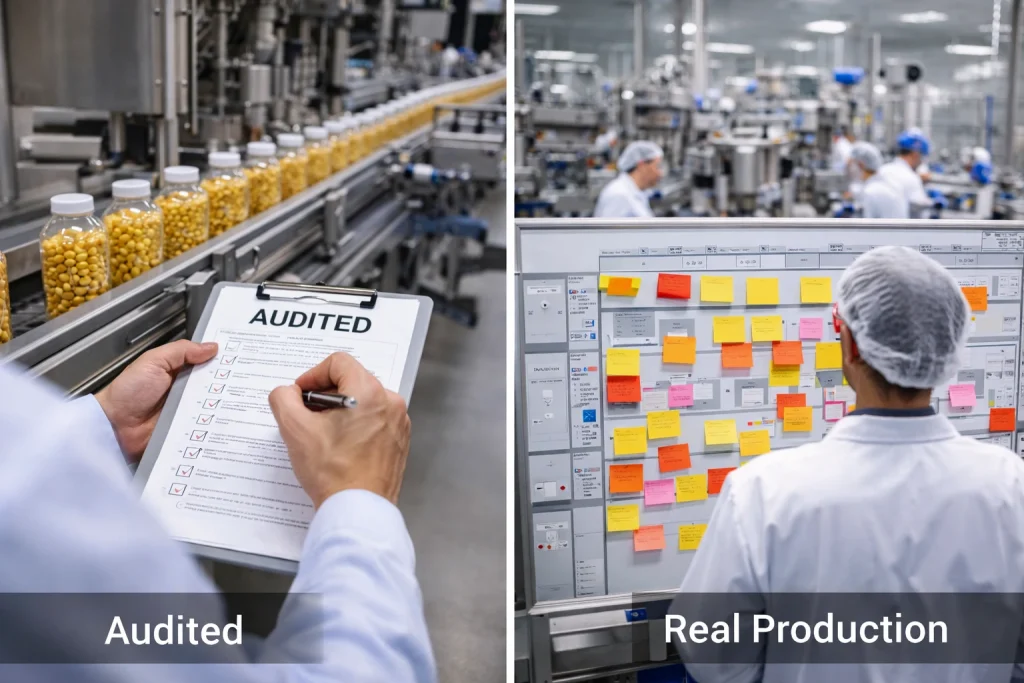
What tours rarely reveal is how workflows change during changeovers, how new orders are integrated into existing schedules, or how teams handle production bottlenecks. These factors directly affect quality and lead time, yet they are invisible during short, guided visits.
Performance Varies Under Load, Not Observation
Manufacturing performance is most accurately measured when systems are under stress. High order volume, tight timelines, raw material constraints, and overlapping priorities expose weaknesses that audits cannot capture.
During audits and tours, facilities operate under observation. Resources are allocated to present an optimal snapshot. Once normal operations resume, competing demands return. Brands that rely solely on audits often discover performance gaps only after production begins.
Documentation Can Pass Audits While Failing Execution
Well-maintained documentation often gives brands confidence. Batch records, SOPs, and quality manuals appear complete and organized. However, documentation quality does not guarantee execution quality.
Execution issues surface when teams must apply procedures repeatedly across multiple batches. Delays in deviation handling, slow internal approvals, or inconsistent corrective actions are rarely visible during audits but become critical during live production.
Audits Do Not Reveal Customer Priority Structures
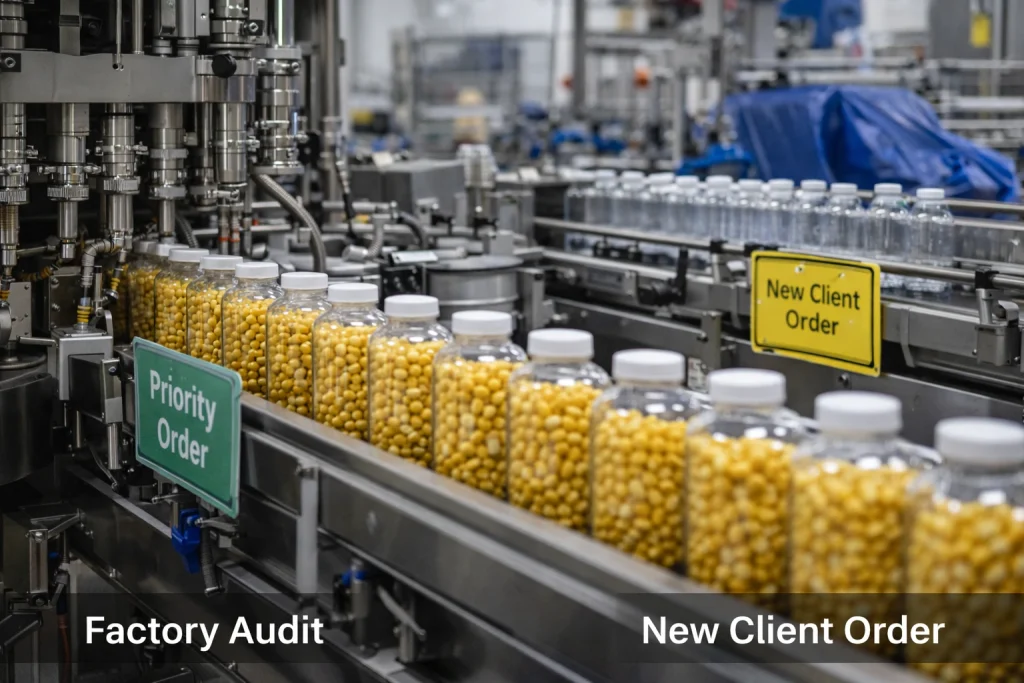
One of the most overlooked limitations of audits is their inability to show how customers are prioritized. Capacity allocation, schedule protection, and internal escalation paths differ significantly between long-term clients and new customers.
A facility may appear capable during a tour, yet new customers may receive lower scheduling priority once production begins. Audits do not reveal these internal dynamics, even though they heavily influence delivery reliability.
Why Brands Overestimate Audit Predictive Value
Brands often overestimate audits because they provide tangible reassurance. Checklists are completed, boxes are ticked, and concerns feel addressed. This sense of control is appealing during supplier transitions.
However, audits are a starting point, not a performance guarantee. Treating them as final validation leads to misplaced confidence and delayed recognition of operational risks.
Many of these risks surface alongside broader transition challenges, including lead time instability and early quality deviations. These issues are examined further in Why Changing Supplement Manufacturers Often Break Lead Time Commitments.
How to Use Audits More Effectively
Audits and factory tours remain valuable when used correctly. They should confirm baseline compliance and transparency, not predict long-term performance.
Brands gain better insight by combining audits with questions about scheduling behavior, onboarding processes, and historical performance during capacity constraints. Understanding how issues are handled, rather than whether systems exist, provides a more accurate assessment.
Conclusion
Audits and factory tours offer visibility, not certainty. They show whether a manufacturer meets requirements at a moment in time, not how it performs when conditions change.
Reliable manufacturing performance depends on systems under pressure, communication during disruption, and consistency over time. Brands that recognize the limits of audits are better equipped to evaluate suppliers realistically and manage transitions without costly surprises.