Introduction
The global vitamin market is growing at record speed, and wholesale distribution has become the backbone of supply for pharmacies, e-commerce sellers, and wellness brands. With consumers more focused than ever on immunity, energy, and preventive health, demand is rising across every continent. For B2B buyers, finding the best wholesale vitamin distributors in 2025 means more than just negotiating prices. It requires assessing quality, compliance certifications, supply reliability, and private label potential.
This guide explores how the wholesale vitamin landscape is evolving in 2025, which products dominate the market, and how buyers can evaluate suppliers to make informed decisions.
Global Market Drivers Behind Vitamin Wholesale Growth
The vitamin industry is projected to continue its robust growth, reaching over USD 220 billion by 2030 with a CAGR of 6–7% according to Grand View Research.
Key drivers include:
- Consumer Health Awareness: Post-pandemic, immune support products like Vitamin C and Vitamin D3 remain top sellers.
- Channel Expansion: Growth in cross-border e-commerce platforms (Amazon, Alibaba Health, Shopee) increases bulk sourcing.
- Private Label Growth: Retailers and e-commerce sellers are launching their own vitamin brands for higher profit margins.
- Regulatory Pressure: Global trade requires FDA, EFSA, Halal, and Kosher compliance, making certifications a decisive factor.
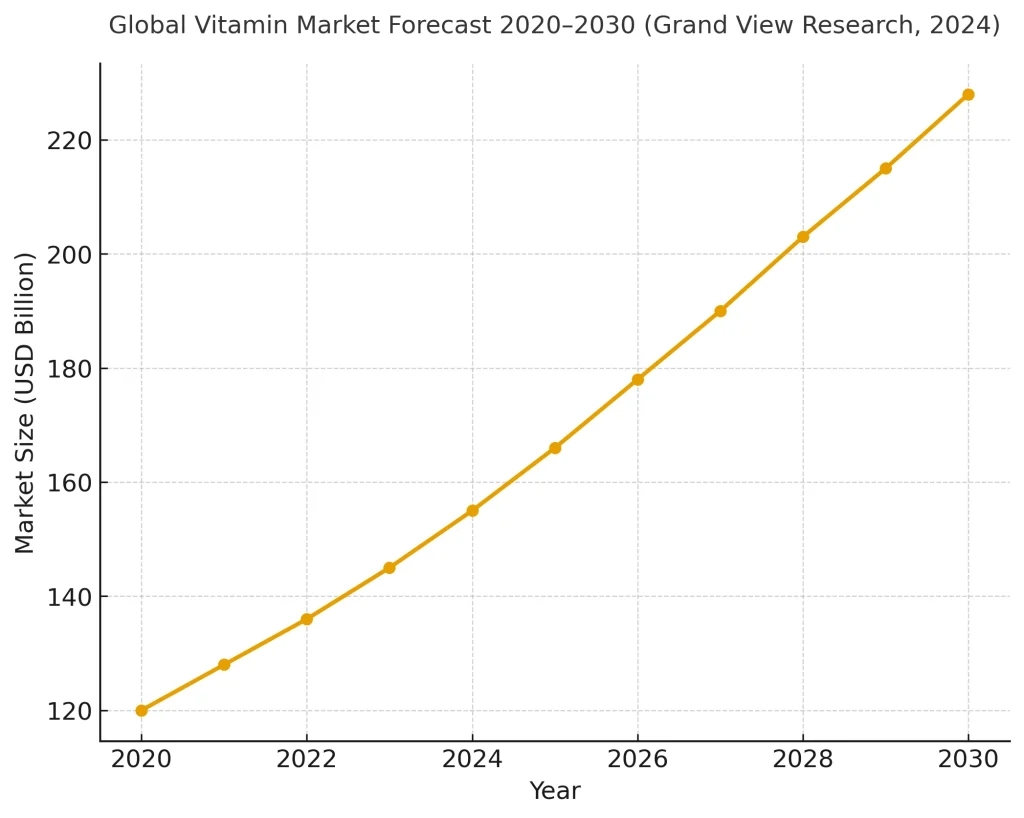
Figure 1: 2020–2030 Global Vitamin Market Forecast (Grand View Research, 2024).
How to Evaluate the Best Wholesale Vitamin Distributors
Choosing the right distributor is one of the most important decisions for B2B buyers. A structured evaluation framework helps reduce risk:
Table 1: Key Evaluation Standards for Wholesale Vitamin Distributors
| Evaluation Criteria | Why It Matters | Buyer Questions to Ask |
|---|---|---|
| Certifications & Compliance | Ensures global market access and consumer trust | Do they hold GMP, Halal, Kosher, FSSC22000? |
| Product Range | Ability to cover multiple vitamin categories | Do they supply gummies, capsules, tablets, drops? |
| OEM/Private Label Capabilities | Customization improves competitiveness | Can they do small-batch private label runs? |
| Supply Chain & Delivery | Reliable inventory and fast lead times | What is their standard and expedited lead time? |
| Documentation Support | Smooth customs clearance and exports | Do they provide COA, FDA registration, Free Sale Certificate? |
| Global Logistics | Simplifies procurement and lowers risks | Do they offer DDP shipping and customs support? |
For official compliance details, buyers can consult the U.S. FDA Dietary Supplements guidelines or the European Food Safety Authority (EFSA).
Top-Selling Vitamin Categories in Wholesale Channels
The best wholesale vitamin distributors in 2025 will align their portfolios with products consumers already trust and demand.
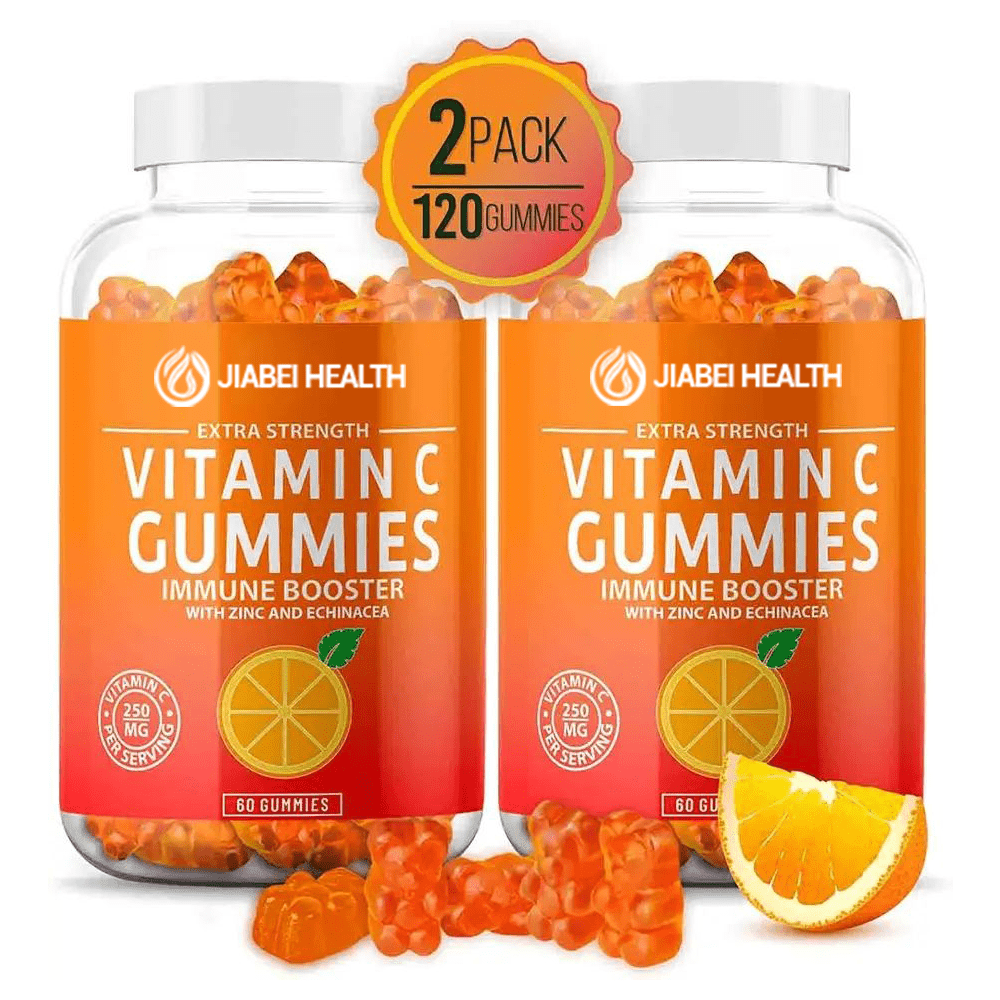
- Vitamin C Gummies and Capsules: Still the strongest immune-support category.
- Vitamin D3 Softgels and Drops: Widely consumed in regions with low sunlight exposure.
- Multivitamin Tablets & Gummies: Popular in family health and preventive nutrition.
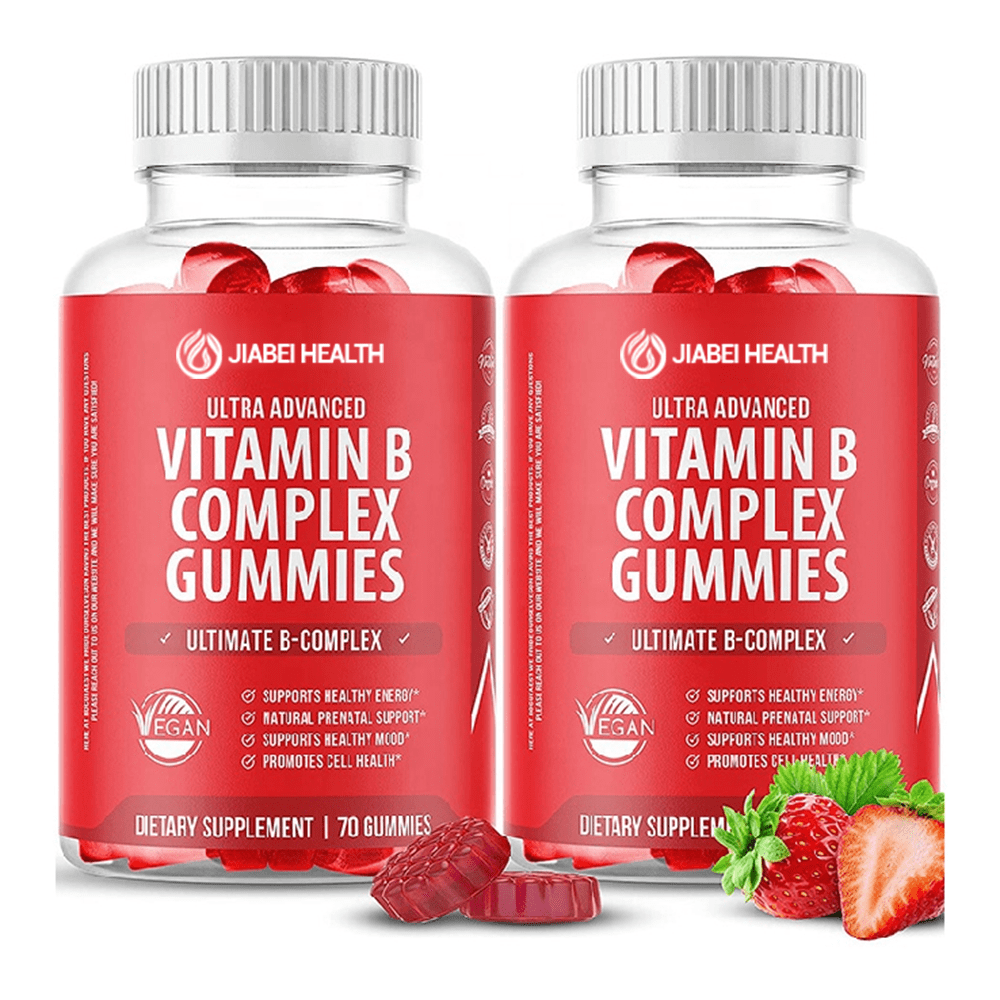
- Vitamin B Complex Capsules: Targeted at energy support and workplace stress.
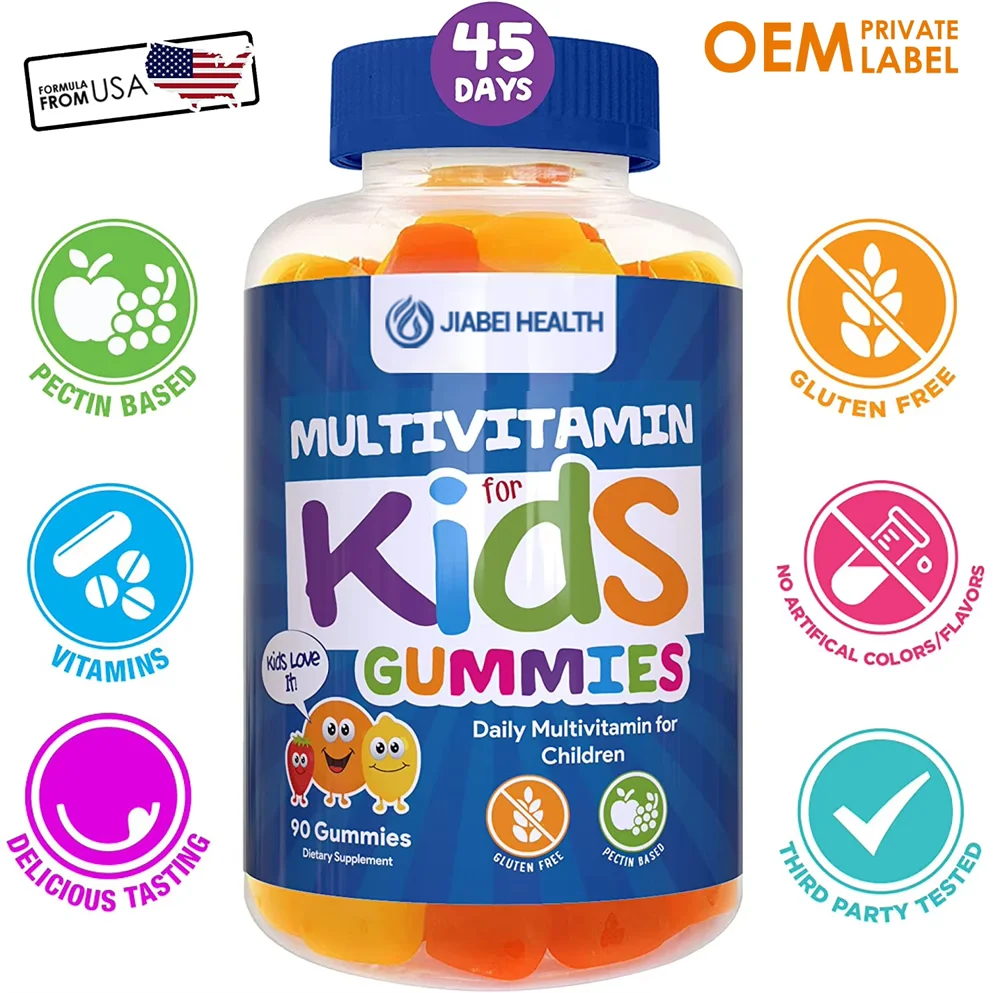
- Children’s Sugar-Free Multivitamin Gummies: Rising demand for vegan, gelatin-free, and low-sugar options.
Table 2: Regional Preferences for Vitamin Categories
| Region | Top-Selling Category | Key Drivers |
|---|---|---|
| North America | Vitamin C Gummies, Vitamin D3 Drops | Immune awareness, winter deficiencies |
| Europe | Multivitamin Capsules, Vitamin B Complex | Preventive health, fatigue reduction |
| Asia-Pacific | Children’s Multivitamins, Vitamin C Powder | Growing middle class, family wellness |
For additional market statistics, Statista’s Dietary Supplements Report provides detailed category data.
Case Studies and Industry References
- Amazon US: A search for “Vitamin C Gummies” shows multiple private label brands ranking among the best sellers.
- European Pharmacies: EFSA-compliant multivitamin capsules dominate shelf space in drugstores.
- Southeast Asia E-Commerce: Rising searches for sugar-free kids multivitamins confirm growing regional demand (Mintel Nutrition Report 2024).
Industry news portals like NutraIngredients also highlight how gummies remain the fastest-growing vitamin format globally.
Why OEM/ODM Models Are Reshaping Wholesale Distribution
In 2025, the definition of “best wholesale vitamin distributors” has shifted. Traditional distributors often act as middlemen, while OEM factories now supply directly under wholesale contracts—combining manufacturing, certifications, and private label services.
Comparison: Traditional Distributors vs OEM Factories
Table 3: Comparison Between Traditional Distributors and OEM Factories
| Feature | Traditional Distributor | OEM/ODM Factory Partner |
|---|---|---|
| Product Flexibility | Fixed SKUs | Custom formulations and packaging |
| Certifications | Partial availability | Full set (GMP, Halal, Kosher, HACCP, FSSC22000) |
| Pricing | Mark-up due to middleman | Factory-direct, higher margins |
| Documentation | Limited | COA, FDA registration, Free Sale Certificate |
| Long-Term Stability | Dependent on suppliers | Direct production partnership |
For buyers, this means OEM-based distributors are often more reliable partners, especially for scaling private label businesses.
Professional Considerations for 2025 Buyers
When evaluating distributors this year, buyers should:
- Verify certifications through official sources such as the USP Dietary Supplements Quality Standards.
- Request product samples and COAs before placing bulk orders.
- Compare logistics options—distributors offering DDP solutions save time and cost.
- Balance portfolios with trending formats like gummies and sugar-free products.
- Build long-term partnerships with OEM factories that can scale production.
Conclusion
The wholesale vitamin industry in 2025 is highly competitive but also full of opportunity. For B2B buyers, the “best wholesale vitamin distributors” are those that combine product quality, international certifications, OEM flexibility, and reliable logistics. By partnering with OEM manufacturers who supply both bulk wholesale and private label customization, businesses can confidently expand into new markets and meet rising consumer demand.
FAQ
Q1:What certifications should wholesale vitamin distributors have in 2025?
GMP, Halal, Kosher, HACCP, and FSSC22000 certifications are standard.
Q2: Do wholesale vitamin distributors provide private label services?
Yes, many OEM factories now supply bulk orders while offering private label customization.
Q3: Which vitamin categories are most popular in wholesale channels?
Vitamin C gummies, Vitamin D3 drops, multivitamin capsules, Vitamin B complex, and children’s sugar-free gummies.
Q4: How can B2B buyers ensure compliance?
By requesting COAs, FDA registration numbers, and free sale certificates, and reviewing FDA supplement regulations.
Q5: Why are OEM factories better than traditional distributors?
They combine production, compliance, and logistics, offering buyers more control and better margins.