Introduction
Ashwagandha, also known as Withania somnifera or Indian ginseng, has been used in traditional Ayurvedic medicine for centuries. In recent years, it has become one of the fastest-growing ingredients in the dietary supplement market. From stress relief and sleep support to cognitive performance and overall vitality, the demand for Ashwagandha supplements is soaring globally.
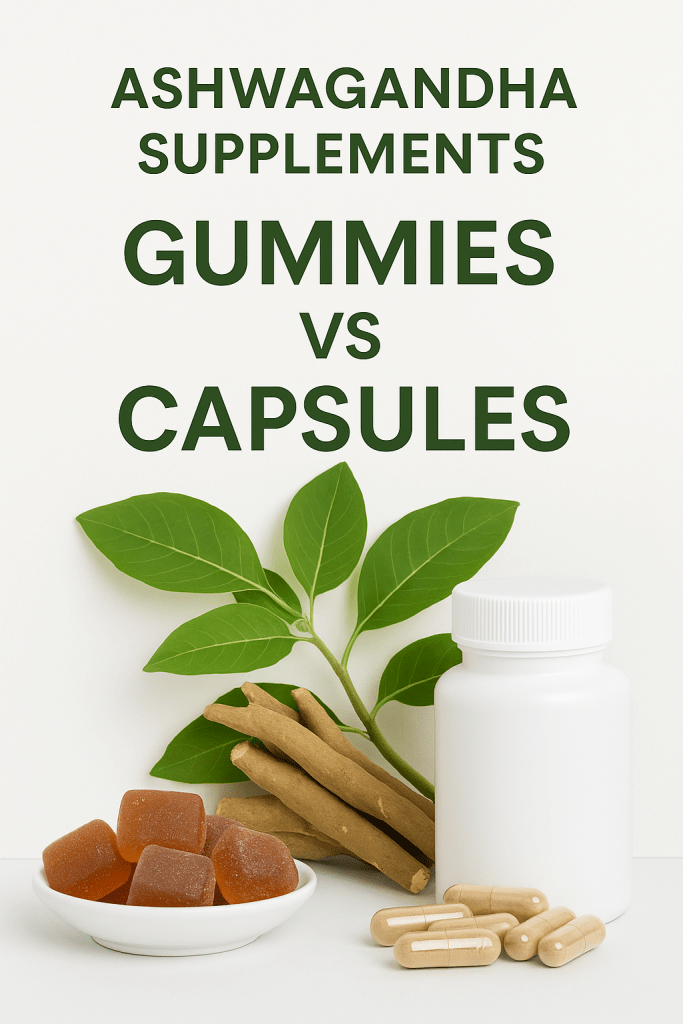
For supplement brands and distributors, the key question is not only whether to include Ashwagandha in their portfolio, but also which dosage form works best for their market strategy. Gummies and capsules are currently the two most popular formats, each offering unique advantages for different audiences. In this article, we will explore the differences between Ashwagandha gummies and capsules, compare consumer demand, highlight manufacturing considerations, and help you decide which option is the best fit for your brand.
Understanding Ashwagandha and Its Benefits
Ashwagandha is classified as an adaptogen, meaning it helps the body adapt to physical and mental stress. Clinical research suggests multiple potential benefits:
- Stress and Anxiety Reduction – Ashwagandha is widely recognized for lowering cortisol levels and supporting calmness.
- Improved Sleep Quality – Many formulations target consumers struggling with insomnia or restless nights.
- Energy and Endurance – Popular in sports nutrition, it may help reduce fatigue and improve recovery.
- Cognitive Support – Increasing focus, memory, and mental clarity is a growing consumer trend.
- Hormonal Balance – Emerging studies show its role in testosterone support and women’s wellness.
Because Ashwagandha appeals to such diverse consumer groups, supplement brands often face the challenge of choosing the most effective dosage form to maximize reach.
Ashwagandha Gummies – Consumer Appeal and Market Growth
Consumer Demand for Gummies
Gummies have transformed the supplement industry in the last decade. What started as a niche format for children’s vitamins has evolved into a mainstream choice for adults. Ashwagandha gummies, in particular, are gaining traction in the U.S. and Europe. Consumers are drawn to them because they combine function with flavor. Younger demographics, women, and lifestyle-driven buyers often prefer gummies over capsules because they are easy to consume, enjoyable, and portable.
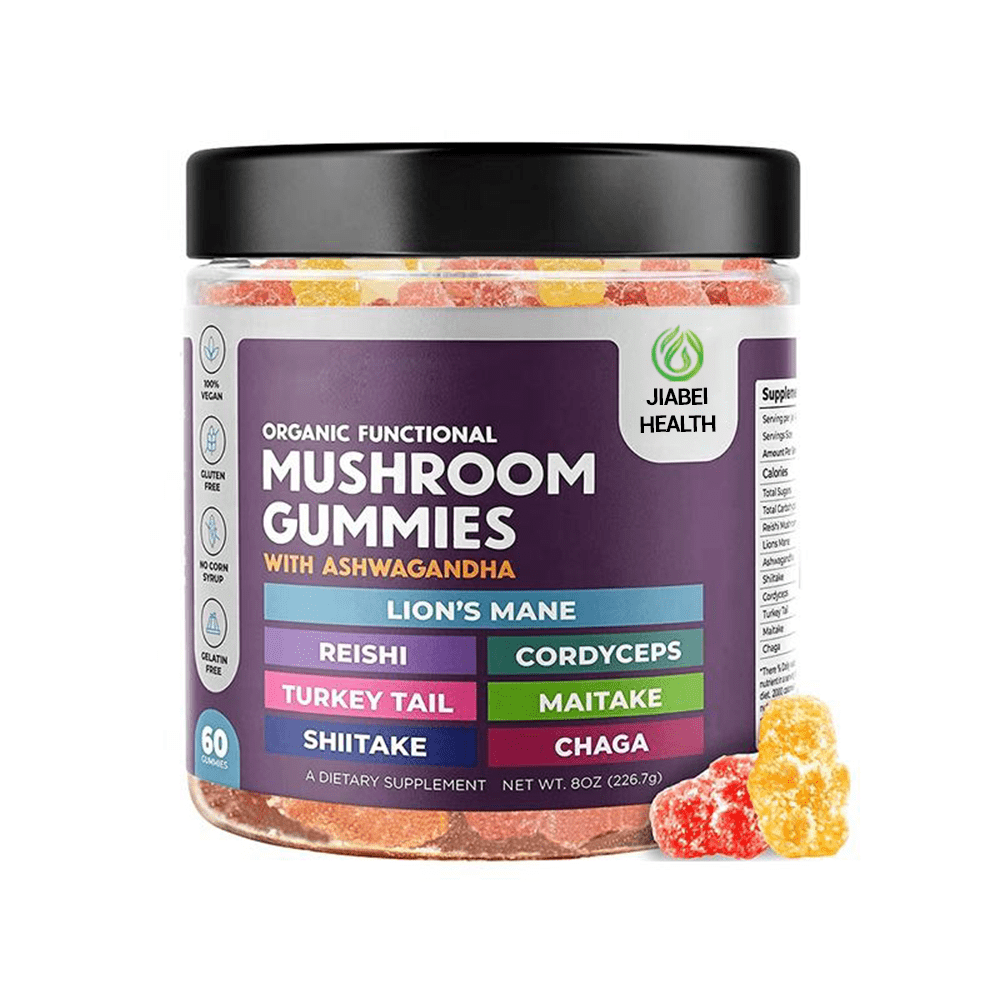
A good example is our Organic Mushroom Gummies with Ashwagandha for Focus and Immune Support, which blend functional mushrooms and Ashwagandha into a convenient gummy format, offering both cognitive enhancement and immune support—two benefits that resonate strongly with wellness-conscious consumers.
Advantages of Gummies for Brands
- High consumer engagement – Attractive packaging, fruity flavors, and “snack-like” appeal encourage higher compliance and repeat purchases.
- Differentiation – Gummies stand out on retail shelves compared to traditional capsules.
- Premium positioning – Gummies allow brands to position products as innovative, supporting higher margins.
OEM/ODM Production Insights
From a manufacturing perspective, Ashwagandha gummies require specialized expertise. Unlike capsules, they must address challenges such as:
- Preventing stickiness and maintaining stability during shipping.
- Masking the natural bitter taste of Ashwagandha extract.
- Ensuring consistent potency across each gummy.
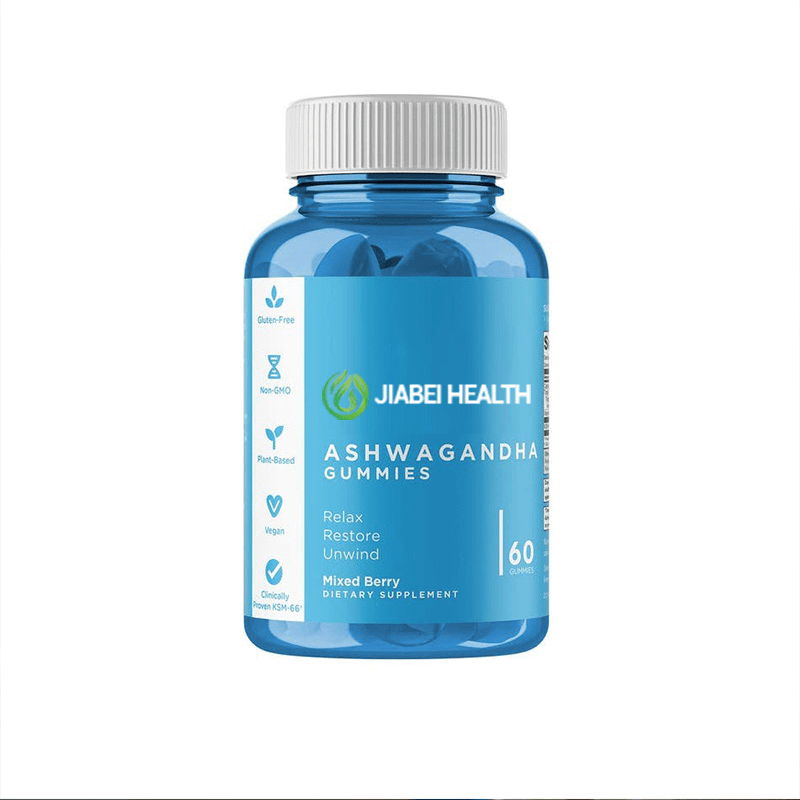
At Jiabei Health, our non-sticky gummy technology and in-house R&D ensure high stability, pleasant flavor profiles, and compliance with global certifications such as GMP, FSSC22000, Halal, and Kosher. This expertise allows us to deliver premium formulations such as KSM-66 Ashwagandha Gummies Manufacturer | Stress Relief Formula – Jiabei Health, which highlight high-concentration standardized extracts while maintaining excellent taste and stability.
Ashwagandha Capsules – Classic and Trusted Format
Why Capsules Still Dominate
Capsules remain the most widely used dosage form in the supplement industry. They are particularly popular in Asia, Europe, and regions where consumers value efficacy and tradition over novelty. Capsules are:
- Cost-effective – Lower production costs compared to gummies.
- Standardized – Easier to deliver precise dosages of standardized extracts.
- Stable – Longer shelf life and better suited for diverse climates.
Benefits for B2B Buyers
Capsules are ideal for large-scale private label programs. They align with regulatory expectations, are easier to register in multiple markets, and meet the preferences of more traditional consumer segments.
OEM/ODM Manufacturing Advantages
Jiabei Health operates advanced capsule production lines capable of filling:
- Vegetarian capsules (Halal, Kosher certified).
- High-potency formulations (standardized withanolide levels).
- Combination formulas (e.g., Ashwagandha + Ginseng, Ashwagandha + Zinc).
Lead times for capsules are typically faster than gummies, with standard orders completed within 15 days.
Gummies vs Capsules – Key Considerations for Your Brand
Consumer Demographics
- Gummies: Attract younger buyers, wellness-focused women, and lifestyle-conscious audiences.
- Capsules: Appeal to traditional supplement consumers, sports nutrition users, and cost-sensitive buyers.
Pricing and Profit Margins
- Gummies: Higher unit price, premium positioning, better margins.
- Capsules: Lower cost, higher volume potential, better suited for mass retail.
Regulatory Compliance
- Gummies: Require stability data, flavoring compliance, and labeling considerations.
- Capsules: Typically more straightforward to register in multiple regions.
Supply Chain and Logistics
- Gummies: Sensitive to temperature during transport, requiring optimized packaging.
- Capsules: More stable, with fewer shipping challenges.
Comparison Table: Gummies vs Capsules
| Factor | Gummies | Capsules |
|---|---|---|
| Consumer Appeal | Fun, tasty, lifestyle-driven | Traditional, trusted, clinical |
| Cost & Margin | Higher cost, higher profit margins | Lower cost, high-volume potential |
| OEM/ODM Complexity | Advanced formulation needed | Standardized, mature process |
| Regulatory Compliance | More complex | Easier, widely accepted |
| Logistics | Sensitive to heat and humidity | Stable, easy to transport |
Which Works Best for Your Brand?
The right choice depends on your market positioning:
- If your goal is to target younger audiences, women, or premium lifestyle segments, Ashwagandha gummies offer strong differentiation.
- If you are focused on cost efficiency, global market compliance, or traditional buyers, capsules remain the safer and more scalable option.
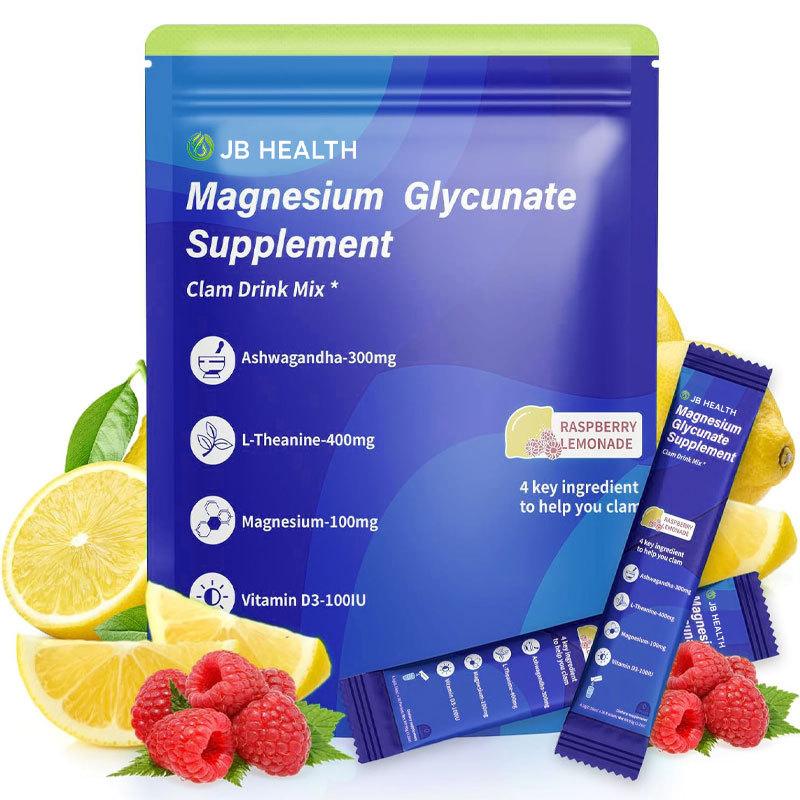
Some brands also create synergistic formulas to expand benefits. For example, JB Health Magnesium Glycinate Supplement – Raspberry Lemonade Drink Mix with Ashwagandha, L-Theanine & Vitamin D3 for Relaxation demonstrates how Ashwagandha can be combined with other active ingredients to deliver a multifunctional solution, targeting both stress relief and relaxation.
For ambitious supplement companies, offering both gummies and capsules under the same private label can maximize reach across consumer groups.
Partnering with Jiabei Health for Ashwagandha Supplement Manufacturing
At Jiabei Health, we support supplement brands and distributors with flexible OEM and ODM solutions. Whether you choose gummies, capsules, powders, or liquid drops, we provide:
- Multi-dosage manufacturing capacity (soft gummies, hard capsules, powders, drops).
- Global certifications: GMP, FSSC22000, BRC, HACCP, Halal, Kosher.
- Documentation support: FDA registration number, certificate of free sale, certificate of origin.
- Stable lead times: Standard orders delivered within 15 days, expedited options available.
- Logistics assistance: Worldwide DDP shipping and customs clearance documents.
With in-house R&D labs, advanced automated production lines, and years of export experience, Jiabei Health is a trusted partner for brands looking to scale their Ashwagandha supplement portfolio.
Conclusion
Both Ashwagandha gummies and capsules have their unique advantages, and the right choice depends on your brand’s target market, positioning, and budget. Gummies attract lifestyle-oriented consumers and create strong differentiation, while capsules remain the reliable, cost-effective option for global distribution.
By partnering with Jiabei Health, your brand gains access to world-class OEM/ODM manufacturing, regulatory support, and global logistics—ensuring your Ashwagandha supplements succeed in every market.
FAQ – Buyer’s Questions About Ashwagandha Gummies vs Capsules
Q1: Which format has higher consumer demand in the U.S. and Europe?
Gummies are currently leading in the U.S. and Western Europe, while capsules remain strong in Central Europe and Asia.
Q2: What is the MOQ for Ashwagandha gummies vs capsules?
MOQ varies depending on formulation, but typically starts at 1,000 bottles for gummies and 500 bottles for capsules.
Q3: Can Ashwagandha gummies be Halal or Kosher certified?
Yes. Jiabei Health offers both Halal and Kosher compliant gummy formulations, using pectin or vegetarian bases.
Q4: How long does production take for private label Ashwagandha supplements?
Standard lead times are 15 days for capsules and 20–25 days for gummies, with expedited options available.
Q5: Which format offers better profit margins for new supplement brands?
Gummies often allow higher margins due to premium positioning, while capsules are ideal for cost-sensitive and high-volume strategies.