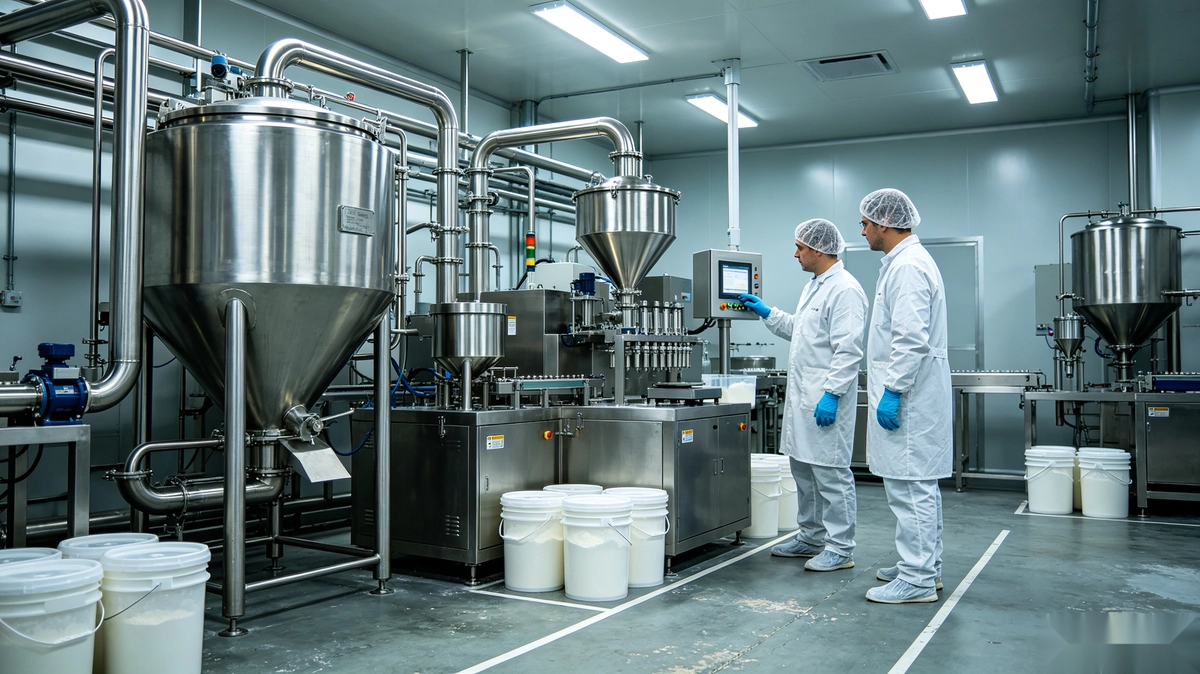
In herbal supplement manufacturing, the first question is not always “What is the MOQ?” or “How much is one bottle?” From a factory quality control perspective, the first question is usually more basic: do we know exactly what botanical material we are working with?
A common herb name is not enough for production. Before we approve a formula, we need to check the botanical name, plant part, extract type, carrier, active marker, test items, and whether the material can actually work in the selected dosage form.
This herbal supplement manufacturing checklist is written from that practical production view. It is not only about choosing a supplier. It is about reducing problems before sampling, mass production, labeling, and shipment.
For brands that are still comparing suppliers, it also helps to understand how OEM and private label supplement manufacturing works before confirming the formula, packaging, testing plan, and target market requirements.
Why Herbal Supplements Need a Closer Quality Review
Herbal supplements are different from many standard vitamin or mineral products. A vitamin formula usually starts with a clearer ingredient specification. Herbal formulas are more complicated because the raw material comes from plants, and plants naturally vary by species, origin, harvest season, plant part, extraction method, and storage condition.
That is why we do not review a herbal formula only by its marketing name. “Ashwagandha,” “ginseng,” “turmeric,” “moringa,” or “echinacea” may look clear on a product brief, but they are not enough for production approval.
In a real factory review, we need to know:
- What is the Latin botanical name?
- Which plant part is used?
- Is it a powder, extract, or standardized extract?
- What is the extract ratio?
- Is there an active marker?
- Is there a carrier such as maltodextrin, rice flour, or gum arabic?
- What tests are included on the COA?
- Can the ingredient fit the selected dosage form?
The NIH discusses these products as botanical dietary supplements, and their quality depends on the plant material, form, standardization, safety, and quality control behind the ingredient.
For a brand, this means one thing: before comparing prices, make sure the material being quoted is actually the same material.
1. We Start With Botanical Identity, Not the Marketing Name
One common problem we see in herbal supplement projects is that the customer brief only lists the common name of the herb. That may be enough for early product discussion, but it is not enough for production.
Before a herbal raw material can move forward, the specification should clearly show the botanical name, plant part, origin, extract type, and active marker if applicable. If these details are missing, the formula may still look fine on paper, but the production risk is not fully reviewed.
For example, two suppliers may both quote “ginseng extract,” but one may quote a different species, different plant part, different extract ratio, or different marker content. The final product cost, label direction, and quality expectation can be completely different.
Here is what we usually check first:
| Item | What We Check | Why It Matters |
|---|---|---|
| Common name | The commercial herb name | Useful for communication, but not enough for production |
| Botanical name | Latin name of the plant | Helps avoid confusion between similar herbs |
| Plant part | Root, leaf, fruit, seed, flower, mushroom body, etc. | Different plant parts may have different quality and label meaning |
| Origin | Country or region of source | May affect testing risk, supply stability, and cost |
| Material type | Powder, extract, or standardized extract | Affects dosage, price, and manufacturing performance |
| Carrier | Maltodextrin, rice flour, gum arabic, etc. | Important for label review and formula calculation |
| Active marker | Withanolides, curcuminoids, saponins, polyphenols, etc. | Helps define the real ingredient specification |
If the material information is unclear at this stage, it is too early to treat the quote as final.
2. We Review the Raw Material COA Before Quoting Too Far
A COA is useful, but we do not read it as a formality. For herbal materials, the first thing we check is whether the COA belongs to the same batch or specification being discussed for production.
Then we compare the COA with the approved ingredient specification. The botanical name, plant part, batch number, extract ratio, carrier, appearance, moisture, and test results should make sense together.
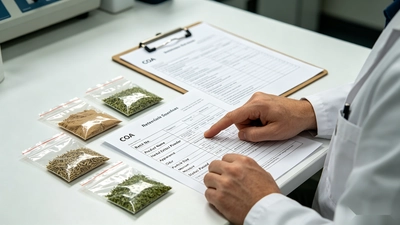
For herbal formulas, brands should request supplement COA and testing documents before production, especially when the formula includes concentrated botanical extracts or raw herbs with higher contamination concerns.
A raw material COA should not only show the ingredient name. A stronger COA usually gives more useful quality information.
| COA Item | What We Look For |
|---|---|
| Batch number | Does it match the material being supplied? |
| Ingredient name | Does it match the approved specification? |
| Botanical name | Is the Latin name clear? |
| Plant part | Is root, leaf, fruit, seed, or other part listed? |
| Extract ratio | Is the ratio clearly stated when relevant? |
| Active marker | Is the marker tested with a result, not just mentioned? |
| Heavy metals | Are actual values shown? |
| Microbial limits | Are test results included? |
| Moisture | Is it suitable for the dosage form? |
| Residual solvents | Is this needed based on the extraction process? |
| Pesticides or mycotoxins | Is additional testing needed based on the herb and origin? |
Heavy metals and microbial limits are usually basic checks. Pesticides, mycotoxins, and residual solvents depend on the plant source and extraction method. If an extract is made with a solvent-based process, residual solvent review should not be skipped.
This is also where price differences become easier to understand. A basic herb powder, a 10:1 extract, and a standardized extract with active marker testing are not the same product.
3. We Compare Extract Ratio, Active Markers, and Real Formula Cost
A herbal extract ratio can be confusing for new brands. A 10:1 extract does not automatically mean the product is ten times stronger in every meaningful way. It usually describes the relationship between the raw plant material and the extract yield, but it does not replace active marker testing.
In factory review, we do not only ask, “Is it 10:1?” We also ask:
- What is the active marker?
- Is the marker tested on the COA?
- What method is used?
- Is the extract standardized or only concentrated?
- What carrier is used?
- Does the formula claim require a specific marker level?
- Can the target serving size fit the dosage form?
This matters because many herbal supplement quotes look different for reasons that are not obvious at first. One supplier may quote a basic extract with limited testing. Another may quote a standardized extract with marker testing, heavy metal testing, pesticide testing, and stricter documentation.
The lower quote is not always wrong, but it needs to be compared against the same specification. Otherwise, the buyer may think they are comparing two manufacturers, when they are actually comparing two different raw materials.
4. We Check Whether the Formula Fits the Dosage Form
After the herbal material is reviewed, the next question is whether the formula fits the selected dosage form.
For bitter or high-potency botanical extracts, herbal capsule manufacturing is often a practical option because the formula does not need to pass the same taste test as gummies, powders, or liquids.
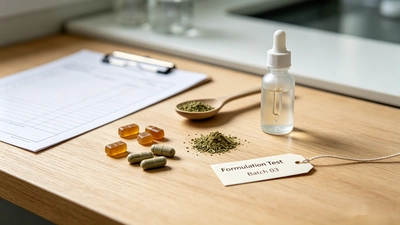
But even capsules are not automatic. We still check bulk density, powder flow, fill weight, capsule size, and moisture. Some herbal powders are too fluffy, sticky, or hygroscopic. A formula may not fit the target capsule size even if the ingredient dose looks reasonable on paper.
For herbal gummies, the review is different. When developing botanical gummy manufacturing projects, the issue is not only flavor. We also check bitterness, color, heat sensitivity, pectin or gelatin choice, sweetness system, texture, and finished gummy stability.
For tincture-style products, drops, and botanical extracts, herbal liquid supplement manufacturing requires extra attention to sediment, taste, pH, preservative system, bottle compatibility, and shelf-life support.
A simple dosage form comparison looks like this:
| Dosage Form | What Usually Works Well | What We Need to Watch |
|---|---|---|
| Capsules | Bitter extracts, simple botanical formulas, higher-potency ingredients | Fill weight, bulk density, powder flow, moisture |
| Tablets | Compressed herbal blends and higher-dose formulas | Hardness, disintegration, coating, sticking during compression |
| Gummies | Consumer-friendly herbal products with manageable dose and taste | Bitterness, color, heat sensitivity, texture |
| Powders | Larger serving sizes, drink mixes, multi-herb blends | Flavor, solubility, clumping, moisture protection |
| Liquid drops | Botanical extracts, tincture-style formulas, fast-use formats | Sediment, taste, pH, preservative system |
A good formula is not only a good idea. It also needs to survive the actual manufacturing process.
5. We Test Taste, Color, Moisture, and Stability During Sampling
Sampling is not just for showing the customer what the product looks like. For herbal supplements, sampling is often where the real production problems appear.
Some herbal extracts are very bitter. Some have a strong smell. Some turn the formula dark brown, green, red, or black. Some absorb moisture quickly. Some are difficult to dissolve. Some create sediment in liquid formulas. Some are sensitive to heat during gummy production.
These issues are not always visible in the first product concept.
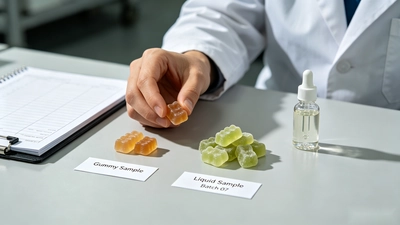
In sampling, we usually pay attention to:
- Taste and aftertaste
- Color change
- Odor
- Powder flow
- Moisture absorption
- Gummy texture
- Capsule filling performance
- Tablet compression behavior
- Liquid clarity or sediment
- Packaging compatibility
- Early stability observation
For example, a bitter herbal extract may work well in capsules but perform poorly in gummies unless the dose is low enough and the flavor system is strong. A dark extract may be acceptable in a capsule, but it may make a gummy or liquid product look very different from the brand’s design expectation.
This is why we prefer to identify these issues during sample development, not after mass production has started.
6. We Build the Testing Plan Before Mass Production
Testing should be planned before production, not treated as a last step. For herbal supplements, the testing plan depends on the ingredient, source, extraction process, dosage form, and target market.
For U.S. dietary supplement projects, manufacturers and brands often refer to FDA dietary supplement CGMP requirements and 21 CFR Part 111 when reviewing manufacturing, packaging, labeling, holding, and quality control expectations.
From a quality management view, herbal supplement testing usually includes some combination of:
- Identity testing
- Heavy metals
- Microbial limits
- Pesticide residues
- Mycotoxins
- Residual solvents
- Moisture
- Active marker assay
- Finished product appearance
- Weight or count check
- Shelf-life or stability support
Not every herb needs the exact same testing package. A root extract, a leaf powder, a mushroom ingredient, and a solvent-extracted botanical may have different risk points.
A supplier COA can be helpful, but it does not replace finished product review. Once raw materials go through blending, filling, heating, drying, compression, bottling, or packaging, the final product still needs to meet the agreed standard.
7. We Check Labels, Packaging, Batch Numbers, and Documents Before Release
Quality review does not stop when production is finished. Before shipment, the finished product needs to be checked against the approved order details.
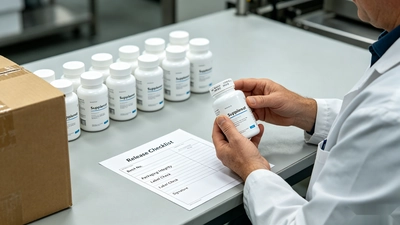
For herbal supplements, label review is especially important because botanical products can easily move into risky claim language. Brands should review FDA structure/function claims before writing label copy for areas such as immune support, sleep support, stress support, digestion, joint support, detox, or energy.
The label should match the formula and the target market. The serving size, botanical name, plant part, ingredient listing, Supplement Facts or nutrition panel, warning statements, and claims should be reviewed before printing.
Packaging also needs attention. Some herbal powders are moisture-sensitive and may need better sealing, desiccants, or bottle protection. Some liquid extracts need suitable caps, droppers, or bottles. Some gummies need packaging that protects texture and reduces sticking.
Before finished product release, a quality team usually checks:
| Release Item | What Needs to Match |
|---|---|
| Finished product appearance | Color, odor, shape, texture, or liquid clarity |
| Fill weight or count | Matches order specification |
| Label | Matches approved artwork and formula |
| Batch number | Correct and traceable |
| Shelf life | Printed correctly |
| Packaging | Bottle, cap, label, carton, pouch, or desiccant |
| Finished product COA | Matches agreed test items |
| Retention sample | Kept for traceability |
| Shipping documents | Prepared for buyer and destination market |
These checks may look small, but they prevent many problems after shipment.
Red Flags We Would Not Ignore in Herbal Supplement Manufacturing
A low price is not always a warning sign. But unclear quality details are.
From a factory quality review perspective, these are red flags:
- The supplier gives a quote without confirming the botanical specification.
- The material is described only by common name.
- The plant part is missing.
- The extract ratio is mentioned, but no active marker is tested.
- The COA does not show batch number or meaningful test results.
- Heavy metals and microbial results are missing.
- Residual solvent review is skipped for solvent-extracted materials.
- The supplier says every herbal extract can be made into gummies without adjustment.
- Taste, odor, color, moisture, and stability are not discussed.
- MOQ, lead time, sample process, and testing cost are unclear.
- The label claim is already designed, but the ingredient specification does not support it.
- The supplier does not ask about the target market.
A reliable manufacturer should not simply say yes to every formula. Sometimes the most useful answer is: “This can be made, but we should adjust the dose, dosage form, flavor system, packaging, or testing plan before production.”
That kind of review protects the brand as much as the factory.
Final Herbal Supplement Manufacturing Checklist
Use this checklist before confirming a herbal supplement formula, supplier, and production order.
| Checklist Area | What to Verify | Why It Matters |
|---|---|---|
| Botanical identity | Latin name, common name, plant part, origin | Prevents confusion between similar herbs |
| Raw material type | Powder, extract, standardized extract | Affects dosage, cost, testing, and production |
| Extract details | Extract ratio, active marker, carrier | Helps compare supplier quotes correctly |
| COA review | Batch number, test items, actual results | Confirms whether the material is properly documented |
| Contaminant testing | Heavy metals, microbes, pesticides, mycotoxins, solvents | Reduces safety and quality risk |
| Dosage form | Capsule, tablet, gummy, powder, or liquid | Confirms whether the formula is practical |
| Formula feasibility | Taste, color, odor, moisture, sediment, heat sensitivity | Prevents production and consumer experience problems |
| Packaging | Bottle, pouch, label, desiccant, cap, dropper | Protects product stability and presentation |
| Labeling | Claims, serving size, botanical name, warnings | Reduces target market compliance risk |
| Finished product release | COA, batch number, appearance, retain sample | Supports shipment and traceability |
| Commercial terms | MOQ, lead time, sample process, testing cost | Avoids hidden cost and production delays |
Final Thought
Herbal supplement manufacturing is not just about putting plant ingredients into capsules, gummies, powders, tablets, or liquid bottles. The real work starts earlier, when the factory reviews the botanical material, formula feasibility, testing requirements, packaging, and label direction.
For brands, the best time to find problems is before production. If the botanical name is unclear, the COA is incomplete, the extract marker is not confirmed, or the dosage form does not fit the formula, those issues should be solved before mass production begins.
A practical checklist does not slow the project down. It helps the brand and the manufacturer make better decisions before money, packaging, and production time are committed.
FAQ
Is a raw material COA enough for herbal supplement production?
No. A raw material COA is important, but it is only one part of the review. The COA should match the material batch and specification, and the finished product may still need testing or quality release checks after blending, filling, packaging, or other production steps.
Why do herbal extract prices vary so much between suppliers?
Prices can vary because the quoted material may not be the same. One supplier may offer a basic powder, while another offers a standardized extract with active marker testing. Extract ratio, carrier, origin, testing items, certification, and order quantity can all affect the final cost.
What should brands check before making herbal gummies?
For herbal gummies, brands should check taste, bitterness, color, heat sensitivity, dosage level, pectin or gelatin choice, texture, and stability. Not every botanical extract is suitable for gummies without adjustment.
Is extract ratio the same as active marker content?
No. Extract ratio and active marker content are different. Extract ratio describes how the raw plant material relates to the final extract yield. Active marker content refers to a specific compound or group of compounds tested in the extract.
When should finished product testing be done?
Finished product testing should be planned before mass production and completed according to the agreed quality requirements. The exact test items depend on the formula, dosage form, target market, and buyer requirements.