Primal compound shilajit gummies are becoming one of the most technically challenging yet rewarding formulations for private label buyers who want to enter the energy, vitality, and mineral-support category. Many buyers quickly discover that shilajit does not behave like a standard herbal extract: it is reactive under heat, sensitive to flavor systems, and requires a different approach to achieve stability. This guide provides a realistic perspective from an OEM manufacturing standpoint, helping buyers understand what truly determines the success of a shilajit gummy project.
1. Why Shilajit Cannot Be Treated Like a Normal Herbal Extract
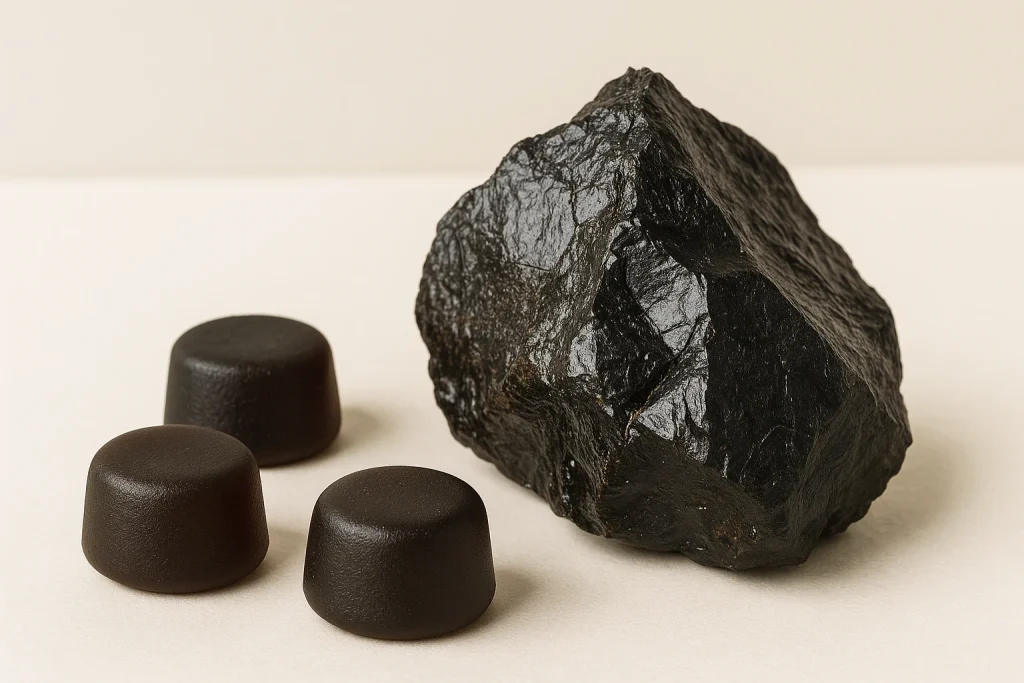
Shilajit varies significantly by region, purification method, and mineral balance. Two suppliers may claim similar fulvic acid levels, yet their sensory impact, color density, and stability can differ drastically. This variability becomes especially noticeable during gummy formulation, where even small inconsistencies can change flavor outcomes or gel behavior.
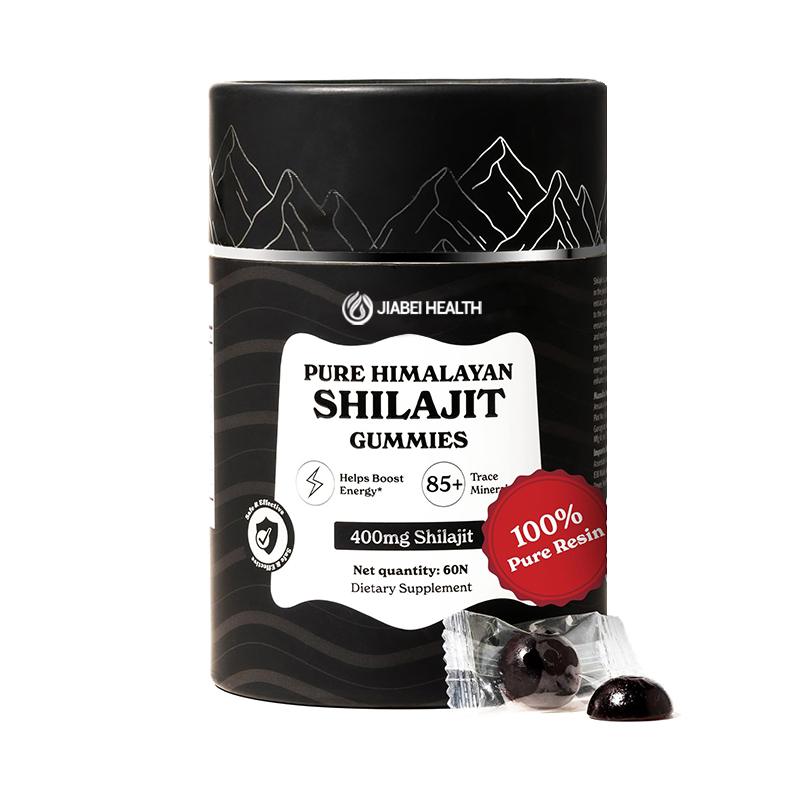
For this reason, most successful formulations rely on standardized extracts rather than raw resin blocks. Using a high-purity Shilajit source provides consistent mineral composition and a predictable behavior in heating and mixing stages, reducing the risk of batch-to-batch fluctuations.
2. The Real Challenge: Integrating Shilajit Into a Flavor System
New buyers often assume shilajit’s taste can be fully masked with sweeteners or flavor syrups. In reality, shilajit binds with fruit acids and natural esters during heating, sometimes intensifying the earthy or metallic undertone if the system is not balanced correctly. A workable flavor system must complement—not fight against—shilajit’s natural profile.
Dark fruits such as raspberry, blueberry, grape, and watermelon tend to stabilize the sensory profile best. More importantly, the raw material itself must have a consistent sensory baseline. A premium Shilajit gummy formula ensures that flavor development progresses predictably from trial samples to mass production without drastic re-adjustment each batch.
3. Differentiation: How Leading Brands Stand Out in a Crowded Market
As shilajit gummies become more common globally, differentiation becomes essential. Buyers who launch a simple “shilajit-only” gummy face a competitive disadvantage unless the product offers a unique positioning or functional benefit.
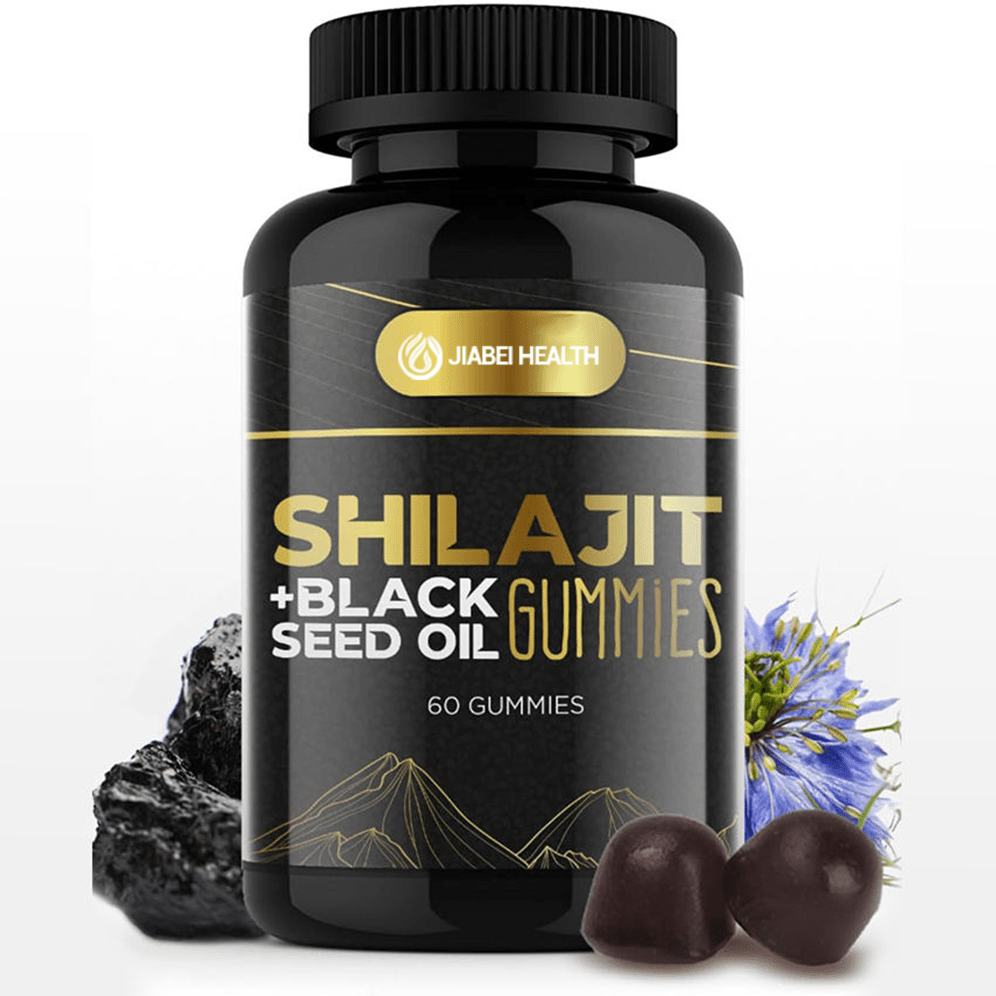
One proven strategy is functional pairing. Combining shilajit with other bioactives allows brands to position their products in performance nutrition, vitality, cognitive support, or male wellness categories. Among the emerging combinations, a Shilajit + Black Seed Oil formula has gained strong traction due to its antioxidant profile and cultural relevance in Middle Eastern markets.
4. Setting Realistic Expectations: Gummies vs. High-Potency Formats
Another common misunderstanding is assuming gummies can match capsule potency. While gummies offer superior compliance and better user experience, high-load formulas often exceed what a gummy matrix can structurally support. Excessive shilajit concentration can lead to stickiness, inconsistent gel strength, or flavor imbalance.
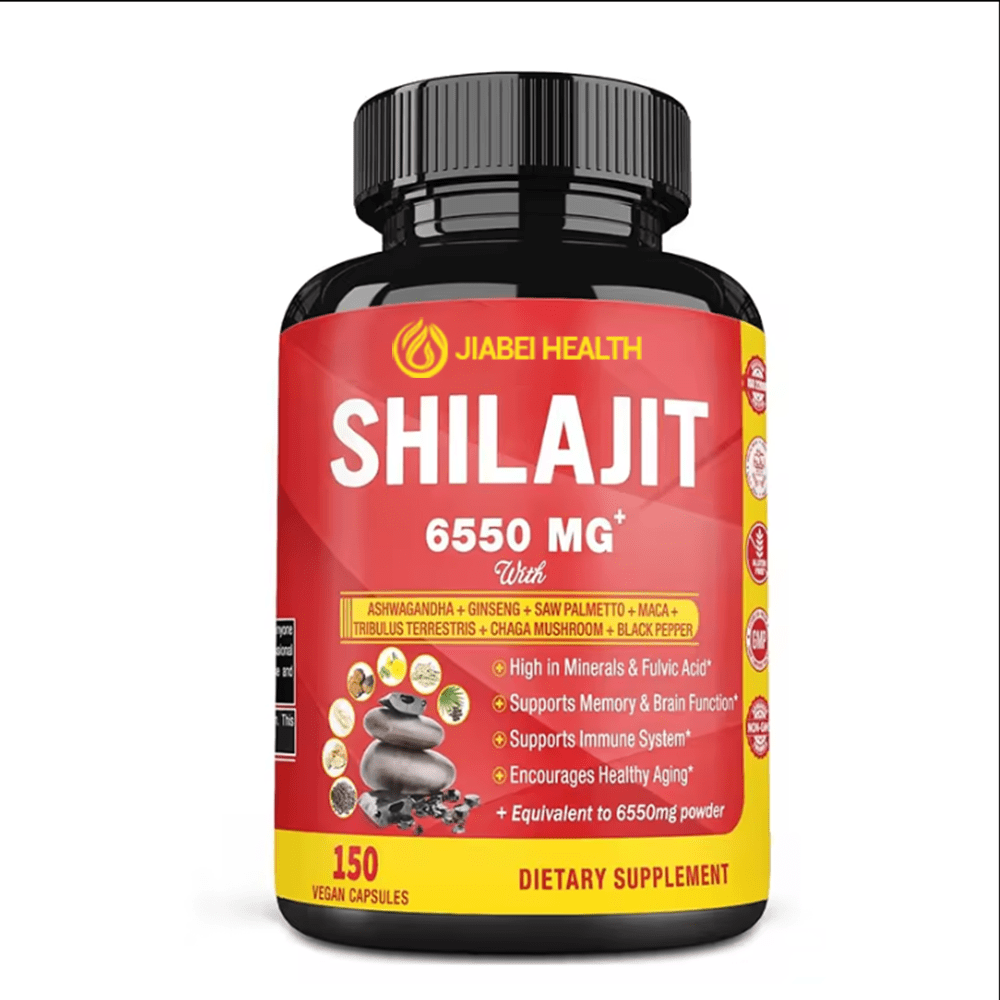
This is why strong formulas are typically offered in capsule form. A multi-adaptogen Shilajit formula allows brands to deliver higher doses combined with botanicals like ashwagandha, tribulus, or ginseng—something not feasible within standard gummy systems. Many successful brands pair a moderate-dose gummy with a high-potency capsule to cover both daily and targeted usage scenarios.
5. Compliance and Testing: The Foundation of a Valid Shilajit Product
Regulatory expectations for shilajit are stricter than for many herbal ingredients due to its mineral origin. Heavy metal testing, microbial control, and fulvic acid verification are mandatory for international markets. Buyers should verify that their OEM partner provides lot-specific COAs and third-party test results, not generic certificates reused across batches.
To better understand why mineral composition and purification quality matter, you may refer to the NIH’s scientific review on the chemical profile and safety of shilajit, a widely recognized reference used in evaluating raw material integrity.
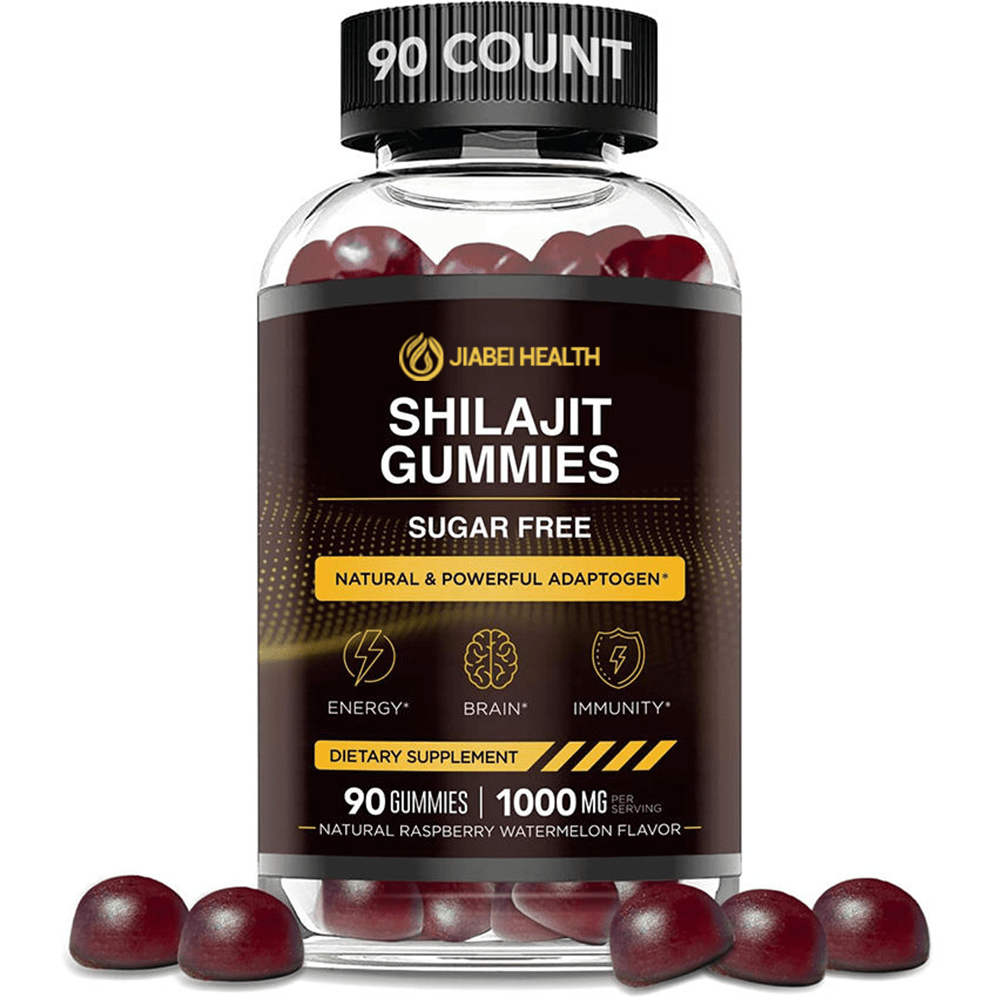
Clean-label positioning is also becoming more relevant. For brands targeting premium markets or sugar-conscious consumers, a sugar-free Shilajit gummies option enhances compliance and broadens retail reach. Sugar-free systems also allow better flavor control because sweetness levels can be tuned separately from masking agents.
6. Why Trial Samples Often Fail and How to Avoid It
Inconsistent trial samples are one of the most frustrating experiences for OEM buyers. Even when the active ingredient is standardized, differences in mixing time, shear force, pectin source, or heating curves can alter gel firmness and flavor carry-through.
The solution is establishing a controlled development protocol early in the project. This includes:
- fixed heat curve
- fixed mixing speed
- fixed cooling sequence
- controlled pectin grade
- stable flavor load
When primal compound shilajit is used consistently, the sample-to-production transition becomes much smoother because the ingredient itself behaves predictably.
7. Scaling Up: What Buyers Must Prepare for Before Mass Production
Scaling from a 2 kg trial batch to a 200 kg production run is not linear. Larger batches require more precise temperature control, longer mixing durations, and optimized mold release techniques. Buyers who understand these adjustments early reduce the risk of unexpected delays or reformulation.
Factories certified with GMP, HACCP, FSSC22000, Halal, and Kosher maintain documentation and batch traceability that streamline international distribution. These certifications also reassure buyers regarding safety, consistency, and export readiness.
Conclusion: A Practical Framework for Building a Successful Shilajit Gummy
Conclusion: A Practical Framework for Building a Successful Shilajit Gummy
A high-quality shilajit gummy is not created by simply adding resin to a gummy base. It requires understanding ingredient variability, sensory dynamics, regulatory requirements, and the realities of scalable production. Brands that approach development strategically—choosing standardized raw materials, designing flavor systems correctly, and building differentiation into the formula—achieve stronger outcomes and fewer development cycles.
By working with a capable OEM partner and setting realistic product expectations, buyers can create a shilajit gummy that not only meets consumer demand but also stands out in a fast-growing category.
Frequently Asked Questions for Shilajit Gummy OEM Buyers
How do you ensure the purity and consistency of shilajit used in your gummies?
We use standardized primal compound shilajit rather than raw resin blocks, allowing us to maintain stable fulvic acid levels, controlled mineral composition, and predictable sensory behavior. Each batch undergoes heavy metal screening, microbial testing, and fulvic acid quantification to ensure consistency from sample to mass production. This prevents variations that often occur with unrefined or manually processed shilajit sources.
What is the realistic dosage range for shilajit in gummies, and why can’t gummies match capsule-level potency?
Shilajit has a naturally dense structure and a strong sensory profile. While gummies offer excellent consumer compliance, they cannot structurally support very high loads without compromising texture, stability, and flavor. Most commercially successful formulas fall within moderate daily doses suitable for gummy delivery, while higher-potency blends are typically produced as capsules. Brands often launch both formats to meet different consumer needs.
Can you control the taste of shilajit gummies? Which flavors work best for masking the natural resin?
Shilajit interacts with fruit acids and natural flavors during heating, making taste control one of the most technical steps. Dark berry, grape, raspberry, and watermelon profiles provide the most effective masking while maintaining a clean sensory finish. When combined with the right pectin system and a balanced sweetness profile, the taste can be made smooth and consumer-friendly without excessive flavoring or sugar.
What certifications and documentation can you provide for shilajit gummies?
Our facility supports global distribution with certifications including GMP, HACCP, FSSC22000, Halal, and Kosher. We also provide a full document package for regulatory review, including COA, MSDS, raw material specifications, nutritional labels, and country-specific export documents. This ensures your shilajit gummies meet international safety and compliance standards.
How do you guarantee consistency between trial samples and commercial-scale production?
We follow controlled heat curves, standardized mixing parameters, and fixed pectin grades to ensure the formula behaves the same across all batch sizes. Using standardized primal compound shilajit also eliminates the variability found in unrefined resin. As a result, the sensory profile, texture, and potency remain consistent whether you produce a small pilot run or a large commercial batch.