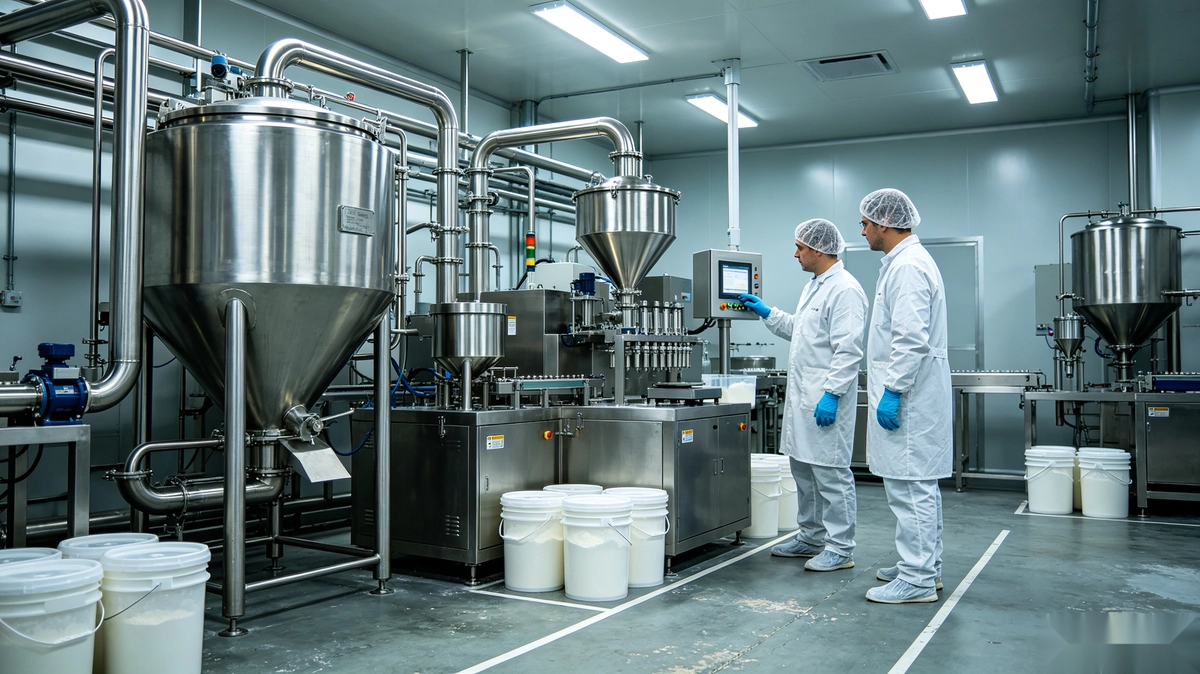
The global supplement industry has entered an era where speed, compliance, and branding define success. For entrepreneurs, e-commerce sellers, and nutraceutical distributors, the term white label vitamin manufacturer has become synonymous with opportunity — a shortcut to launching new products without the cost and complexity of R&D. But how do you choose a partner that guarantees quality, compliance, and scalability?
This guide explains what “white label” really means in the supplement world, how it differs from private label manufacturing, and what criteria to evaluate when selecting your OEM factory.

1. What Does “White Label Vitamin Manufacturer” Mean?
A white label vitamin manufacturer produces ready-made supplements that other companies can rebrand and sell under their own labels.
Unlike private label production — which involves customized formulas — white label manufacturing focuses on pre-formulated, market-ready vitamins that can be bottled, labeled, and shipped quickly.
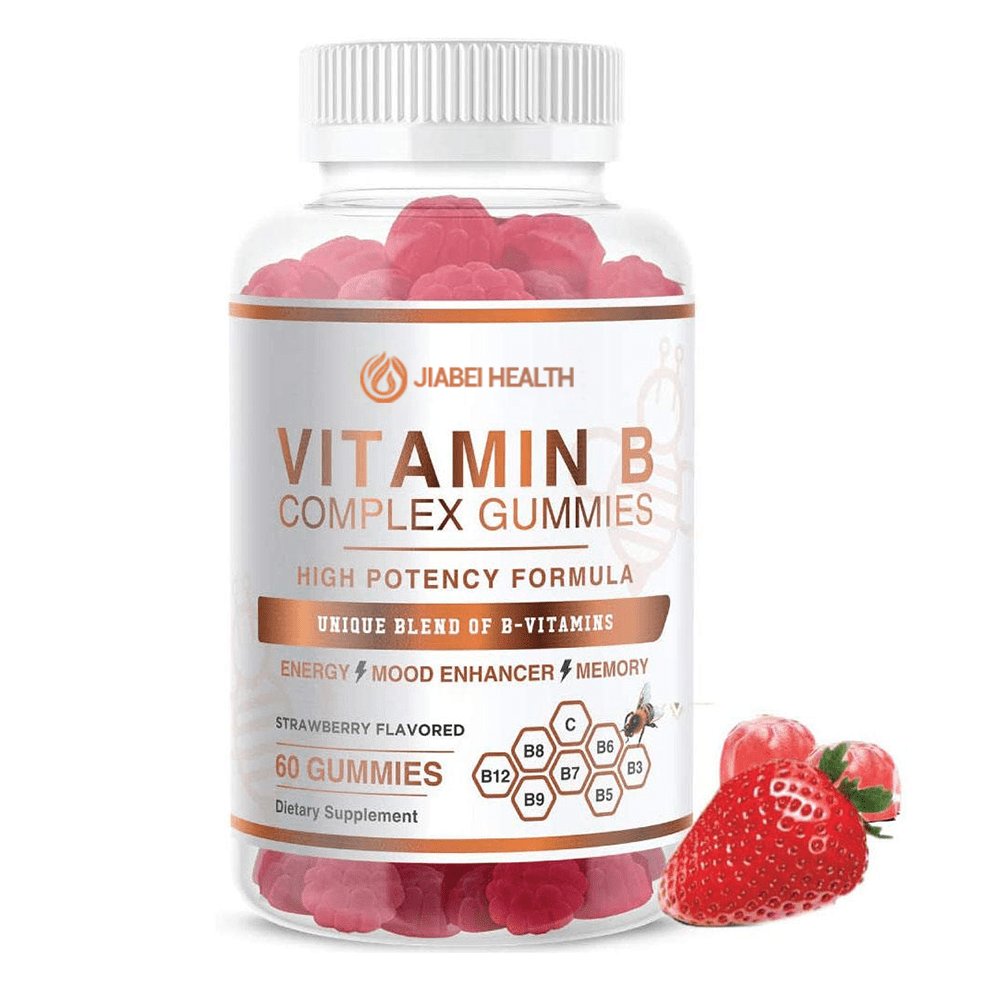
For example, Jiabei Health offers a broad range of white label vitamin gummies, capsules, tablets, and drops, all produced in GMP and FSSC 22000 certified facilities. This allows B2B clients to enter the market in as little as 15 days for regular orders or even faster for urgent shipments.
2. White Label vs. Private Label: Understanding the Difference
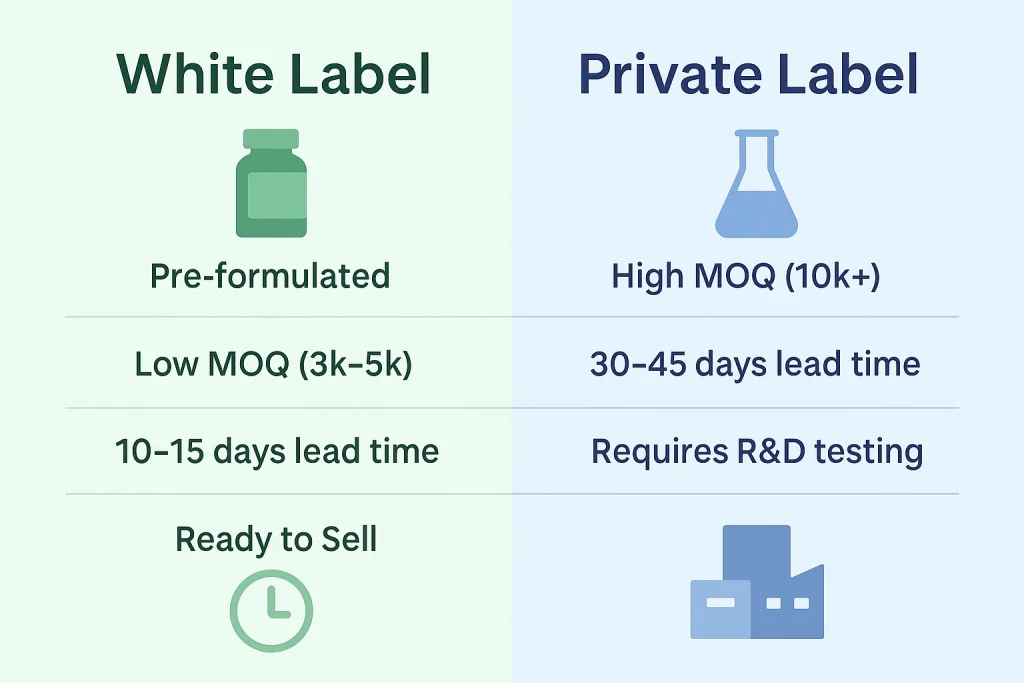
| Feature | White Label | Private Label |
|---|---|---|
| Formula | Pre-formulated, ready to sell | Fully customized ingredients and dosage |
| MOQ (Minimum Order Quantity) | Lower (often 3,000–5,000 bottles) | Higher (10,000 + bottles) |
| Lead Time | 10–15 days | 30–45 days |
| R&D Cost | None | Required for formulation testing |
| Best For | New brands, cross-border sellers | Established brands with specific needs |
Choosing between the two depends on your business stage. White label is ideal for fast market entry, while private label suits brands seeking unique formulas or clinical differentiation.
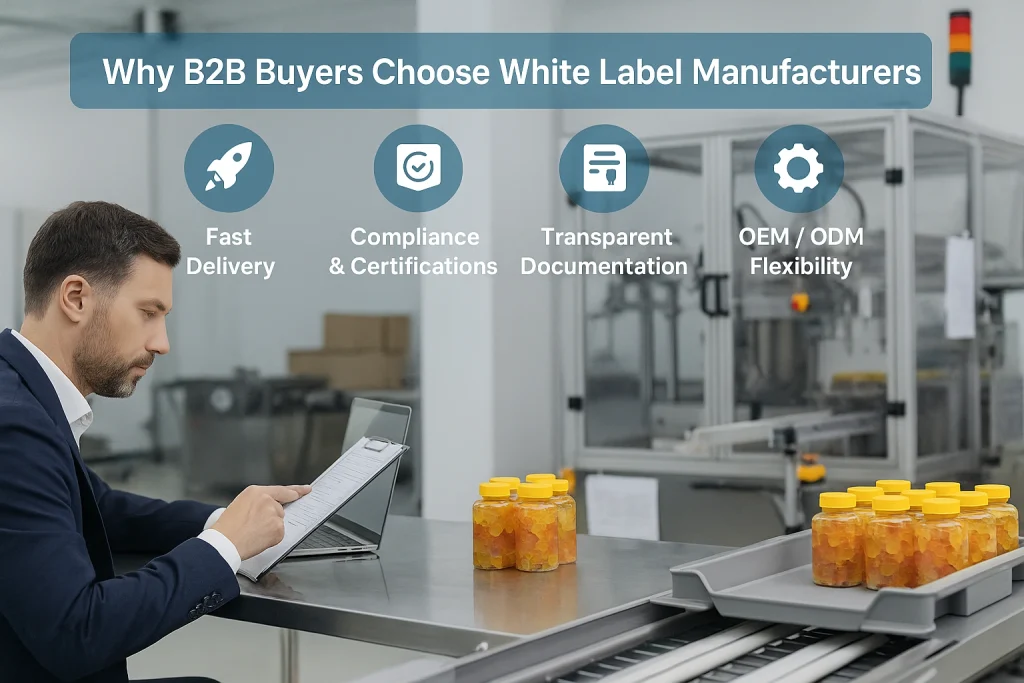
3. Why B2B Buyers Choose White Label Manufacturers
(1) Faster Time-to-Market
White label production removes formulation delays. Once you choose from the manufacturer’s catalog — for example, Vitamin D3 Gummies, Vitamin C + Zinc Immune Support Capsules, or Multivitamin Drops — the factory handles filling, labeling, and packaging under your brand.
(2) Full Regulatory Compliance
A reputable manufacturer must hold certifications such as GMP, BRCGS, FSSC 22000, HACCP, Halal (BPJPH or Ketetapan Halal), and Kosher.
These ensure each vitamin batch meets international safety and traceability standards — critical for export to the U.S., EU, or SEA markets.
(3) Transparent Documentation
For global distributors, compliance files are essential. Jiabei Health provides:
- Certificate of Analysis (COA) for each batch
- Free Sale Certificate & FDA registration number
- Certificate of Origin for customs clearance
These documents simplify both import approval and cross-border platform listings (Amazon, Shopee, TikTok Shop, etc.).
(4) OEM/ODM Flexibility
Even within white label production, customization options exist — flavor adjustment, bottle type, label design, or packaging materials — allowing your brand to stand out while maintaining fast delivery.
4. Key Criteria When Selecting a White Label Vitamin Manufacturer
- GMP-Certified Facility – Always confirm factory certification status and audit validity.
- Product Diversity – The best manufacturers offer multiple dosage forms (gummies, capsules, powders, drops).
- Lead Time & MOQ Transparency – Clear production calendars and expedited services matter for inventory planning.
- Full Documentation Support – Especially COA and export certificates.
- Packaging & Design Capabilities – Availability of custom bottle molds and label printing.
- OEM / ODM Options – Room to grow from white label to private label as your brand expands.
- Customer Support & After-Sales Service – B2B buyers need efficient communication through the entire production cycle.
5. Example: Jiabei Health’s White Label Service Process
- Product Selection – Choose from gummies, capsules, powders, or liquid drops.
- Quotation & Documents – Receive COA, spec sheet, and MOQ confirmation.
- Packaging Customization – Design label and bottle shape under your brand.
- Production & Testing – Manufacturing under GMP and FSSC 22000 standards.
- Quality Control & COA Issuance – Every batch tested for purity and stability.
- Logistics Support – Global shipping with DDP options and customs clearance guidance.
Regular orders are completed in 15 days, and urgent orders can be expedited to 7 days depending on stock availability.
6. Benefits of Working with a Certified Manufacturer
Partnering with a globally certified factory ensures:
- Consistent product quality and batch traceability
- Legal compliance for U.S./E.U./S.E.A markets
- Confidence for buyers and retailers
- Long-term supply stability and professional documentation
A professional white label vitamin manufacturer not only helps you reduce cost and risk, but also supports your brand credibility through transparent certifications and strong R&D backup.
7. Future Outlook: White Label Supplements in 2025 and Beyond
The demand for ready-made supplements continues to surge. Data from Grand View Research (2025) shows that the white label and private label segment is expected to grow over 12% annually, driven by cross-border e-commerce and personalized nutrition trends.
For brand owners in the U.S., Europe, and Southeast Asia, partnering with a GMP-certified white label manufacturer is the fastest path to launch new products while maintaining regulatory compliance and profit margin.
FAQs
Q1. What is a white label supplement?
A white label supplement is a pre-formulated product that a manufacturer produces and sells to brands for re-labeling under their own names.
Q2. Is white label the same as private label?
Not exactly. White label means ready-made standard formulas; private label involves custom formulation and testing.
Q3. What certifications should I check before partnering?
Look for GMP, FSSC 22000, BRC, HACCP, Halal (BPJPH / Ketetapan), and Kosher.
Q4. What documents do I need for export supplements?
Key files include COA, Free Sale Certificate, Certificate of Origin, and FDA registration number.
Q5. How fast can Jiabei Health deliver white label vitamin products?
Regular orders take about 15 days, and urgent orders can be expedited depending on stock and packaging customization.