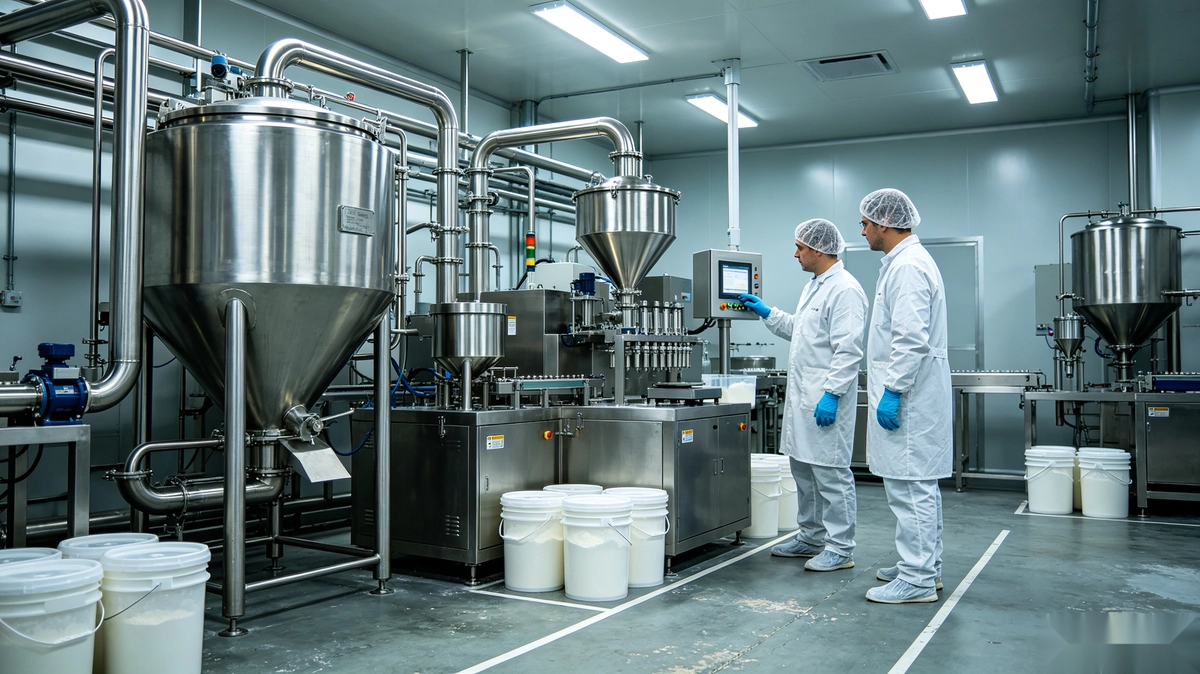
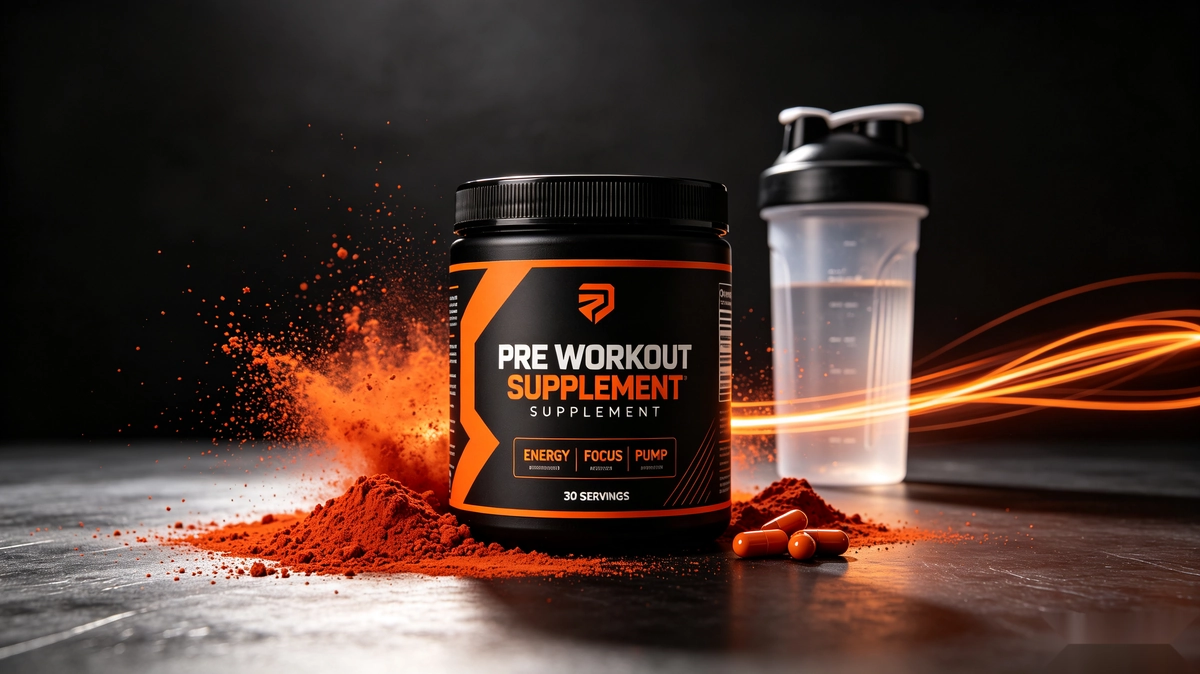
High-active gummies are no longer niche products.
Creatine, caffeine, performance blends, and concentrated botanical formulas are increasingly formulated into chewable formats.
However, manufacturing high-active gummies is fundamentally different from producing standard vitamin gummies.
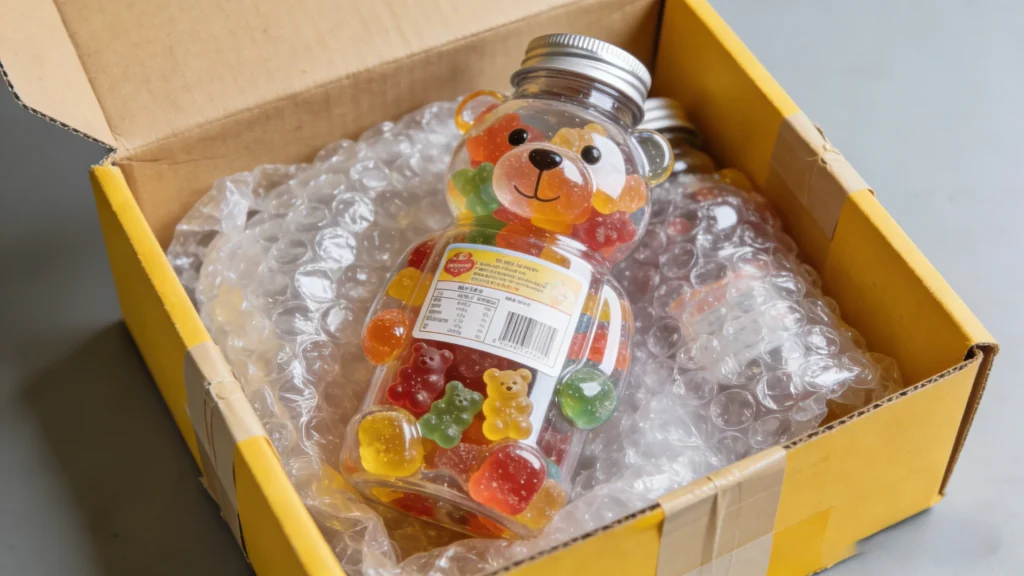
This high active gummy manufacturing guide explains the technical, regulatory, and operational considerations required to move from formulation concept to commercial-scale production.
1. What Defines a High-Active Gummy?
A high-active gummy is typically characterized by:
- Elevated milligram content per gummy
- Reduced serving count expectations
- Dense or crystalline actives
- Increased stability and taste challenges
The defining constraint is not marketing positioning.
It is formulation physics.
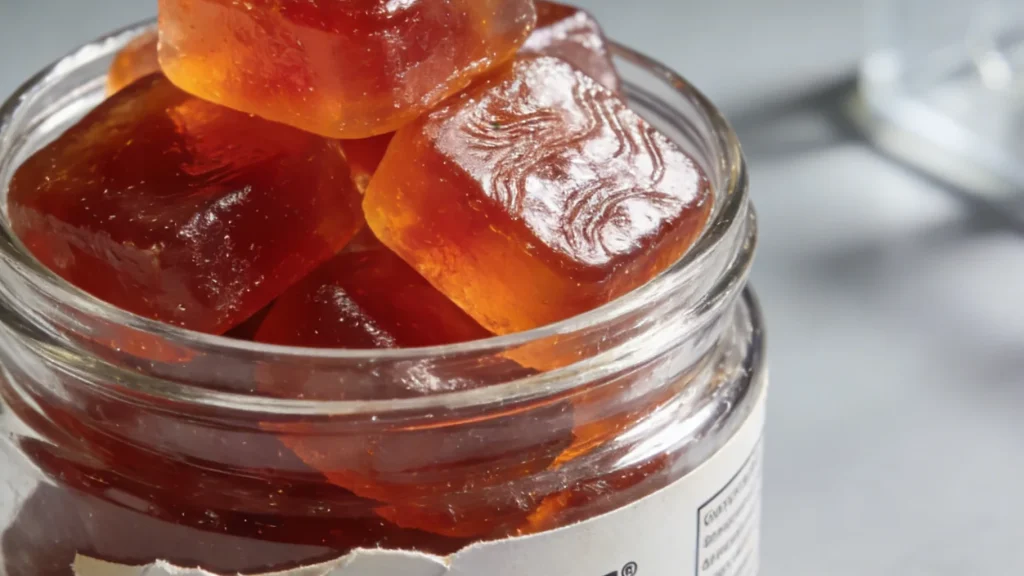
Before commercial commitments are made, buyers must evaluate realistic dosage limits. These limits are discussed in detail in maximum active load pectin gummies, where formulation feasibility is defined by suspension behavior and solids saturation.
2. Formulation Limits: Understanding Active Load Boundaries
Pectin systems impose structural constraints.
As active concentration rises:
- Viscosity increases
- Suspension stability declines
- Depositing accuracy narrows
High active gummy development requires balancing:
- Particle size
- Water activity
- Gel strength
- Processing temperature
Attempting to exceed structural thresholds often results in sedimentation, phase separation, or failed uniformity testing.
3. Particle Size, Micronization, and Suspension Stability
Dense actives such as creatine are particularly prone to settling.

Uniform distribution depends on:
- Controlled micronization
- Proper dispersion strategy
- Equipment configuration
The role of particle size control is examined in creatine micronization for gummies, where sedimentation risk is analyzed in relation to dosage consistency.
Without proper particle management, even well-designed formulas fail at scale.
4. Bitterness and Sensory Engineering in High-Dose Formulas
Caffeine and certain botanical extracts introduce sensory complexity.
Bitterness intensifies as dosage rises and is amplified in chewable formats due to prolonged oral exposure.
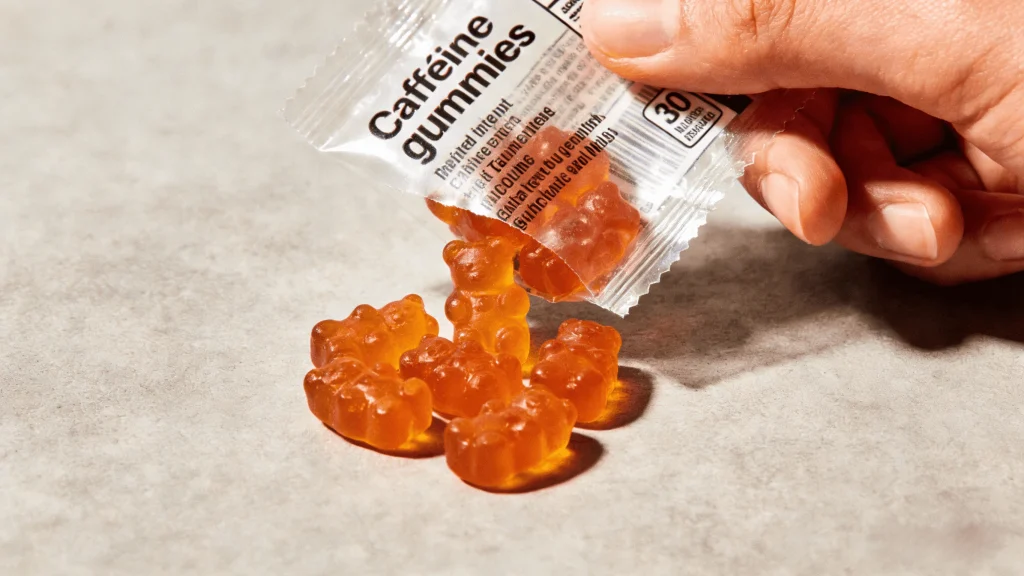
Successful development requires:
- Encapsulation evaluation
- Flavor layering
- Controlled release strategy
The failure patterns commonly seen during commercialization are explored in bitterness masking for caffeine gummies, particularly under scale-up conditions.
Taste stability cannot be separated from formulation structure.
5. Third-Party Testing and Documentation Standards
High-active products receive greater scrutiny.
Buyers frequently request:
- Heavy metal screening
- Microbial testing
- Adulterant panels
- Finished product COAs
Third-party validation increases transparency and reduces regulatory risk.
This is examined in third-party COA verification, where compliance documentation is treated as a buyer filter rather than a marketing asset.
Testing intensity typically increases alongside active concentration.
6. Manufacturing Systems and Audit Readiness
Certification alone does not guarantee execution quality.
Serious buyers evaluate whether a GMP certified gummy manufacturer can demonstrate:
- Batch traceability
- SOP consistency
- Deviation handling
- Documentation control
High-active products demand narrower process tolerances, increasing the importance of system discipline.
7. Equipment Selection: Process Implications
Equipment influences:
- Flow stability
- Depositing precision
- Suspension control
- Cleaning protocols
Starchless systems and traditional mogul lines each present different constraints for high-solid formulations.
Process selection should align with formulation requirements rather than marketing positioning.
Equipment choice becomes especially critical when suspension stability, cleaning validation, and batch consistency are under pressure.
A detailed comparison of process behavior, contamination risk, and commercial predictability is explored in starchless vs mogul gummy manufacturing for high-active formulations.
8. MOQ, Lead Time, and Commercial Planning
Once feasibility and compliance are addressed, operational planning begins.
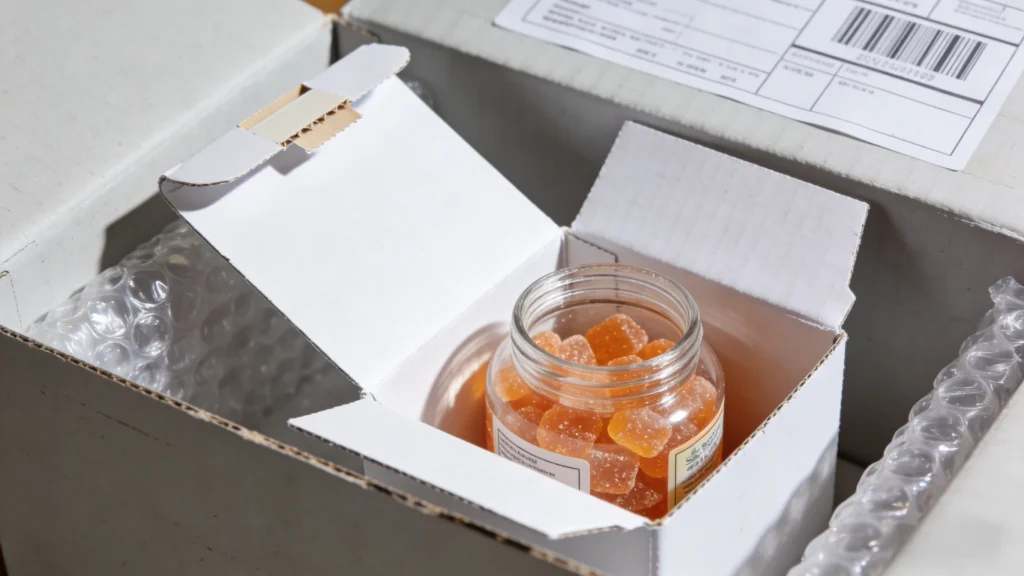
Buyers should align expectations regarding:
- Production minimums
- Packaging integration
- Timeline from contract to first batch
Realistic planning is discussed in gummy manufacturing MOQ lead time, where execution steps are mapped from formula lock to finished product testing.
High-active projects often require longer validation cycles.
9. Risk Alignment Before Commercial Launch
Before moving to full-scale production, buyers should confirm:
- Stability under real storage conditions
- Uniformity across batches
- Taste consistency after scale-up
- Regulatory documentation readiness
High-active gummy manufacturing is a process of risk reduction rather than dosage maximization.
10. Conclusion: From Concept to Predictable Execution
High-active gummy manufacturing requires:
- Technical feasibility validation
- Sensory engineering
- Compliance transparency
- Structured production planning
Each stage influences the next.
When these elements are aligned early, commercialization becomes predictable rather than reactive.
FAQ
What is considered a high-active gummy?
A high-active gummy typically contains elevated milligram content per unit, often involving dense or stability-sensitive ingredients such as creatine or caffeine.
Why are high-active gummies harder to manufacture?
Higher active loads affect viscosity, suspension stability, taste profile, and testing requirements, increasing formulation and process complexity.
Do high-active gummies require additional testing?
Yes. Buyers frequently request expanded third-party verification, including heavy metal, microbial, and adulterant screening.
How does MOQ differ for high-active gummies?
High-active projects may require adjusted MOQs due to process tolerances, material costs, and extended validation cycles.