Introduction
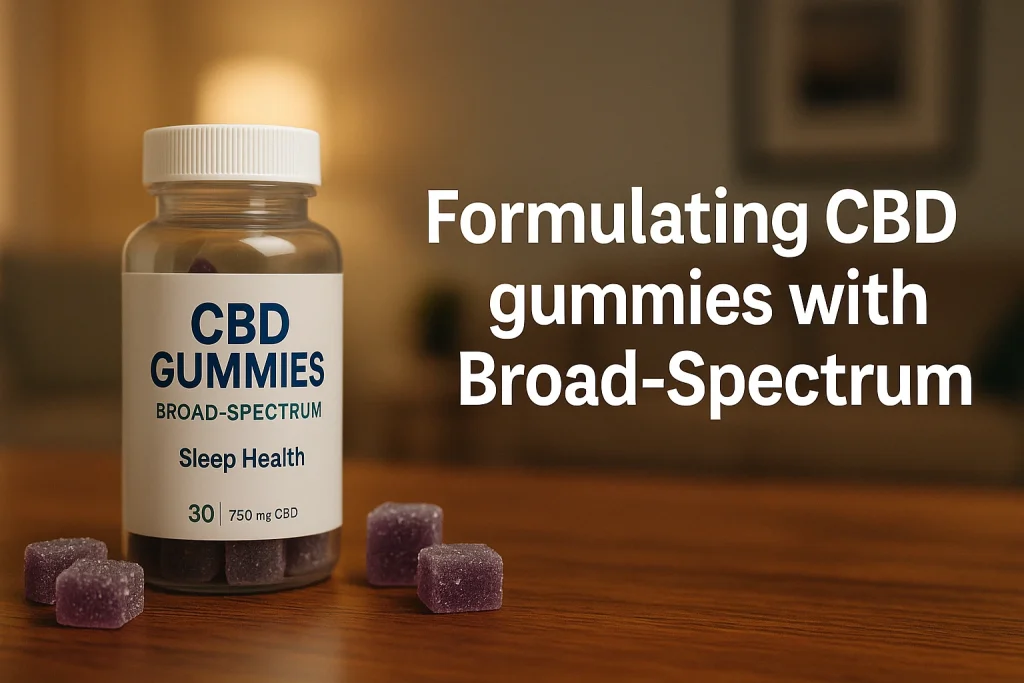
Formulating CBD gummies with Broad-Spectrum has become a critical innovation in the nutraceutical industry, especially in the sleep health category. As consumer demand for natural sleep aids grows, broad-spectrum CBD offers unique advantages for formulators seeking to combine efficacy, sensory appeal, and scientific credibility.
For formulators and product developers, however, the challenge lies not only in understanding the pharmacological properties of broad-spectrum CBD but also in mastering the science of gummy formulation: balancing active ingredients, optimizing sensory qualities, and ensuring product stability. This handbook provides a step-by-step exploration of dosage design, compatibility with other sleep ingredients, flavor masking, and stability testing, with an illustrative case study of how a successful sleep gummy could be developed.
Case Study: Developing a Broad-Spectrum CBD Sleep Gummy
To illustrate practical considerations, let’s examine a hypothetical development project:
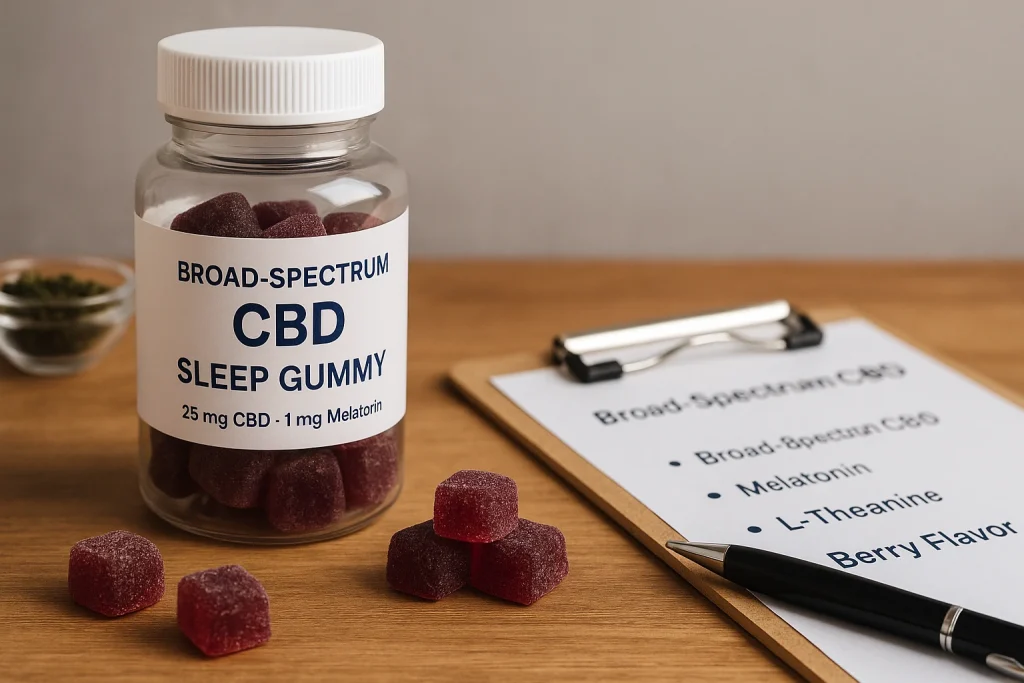
- Target formula: 25 mg Broad-Spectrum CBD + 1 mg Melatonin + 100 mg L-Theanine per gummy
- Intended function: Support falling asleep faster, improve sleep quality, and reduce nighttime awakenings
- Consumer group: Adults experiencing mild insomnia, stress-related sleep issues, and shift workers
- Product format: Vegan pectin-based gummy, berry flavor profile
Development process overview:
- Raw material sourcing: Broad-spectrum CBD distillate standardized to 85% CBD content; melatonin from synthetic USP-grade sources; L-Theanine derived from green tea extract.
- Formulation design: Balancing actives with excipients such as pectin, glucose syrup, citric acid, and natural flavors.
- Prototyping: Iterative testing for taste, texture, and cannabinoid homogeneity.
- Validation: Conducting accelerated stability studies, consumer palatability trials, and regulatory compliance checks.
This case reflects the complexities of formulating CBD gummies with Broad-Spectrum, where multiple bioactive agents must be combined to ensure synergy, efficacy, and consumer appeal.
Dosage Considerations for Broad-Spectrum CBD Gummies
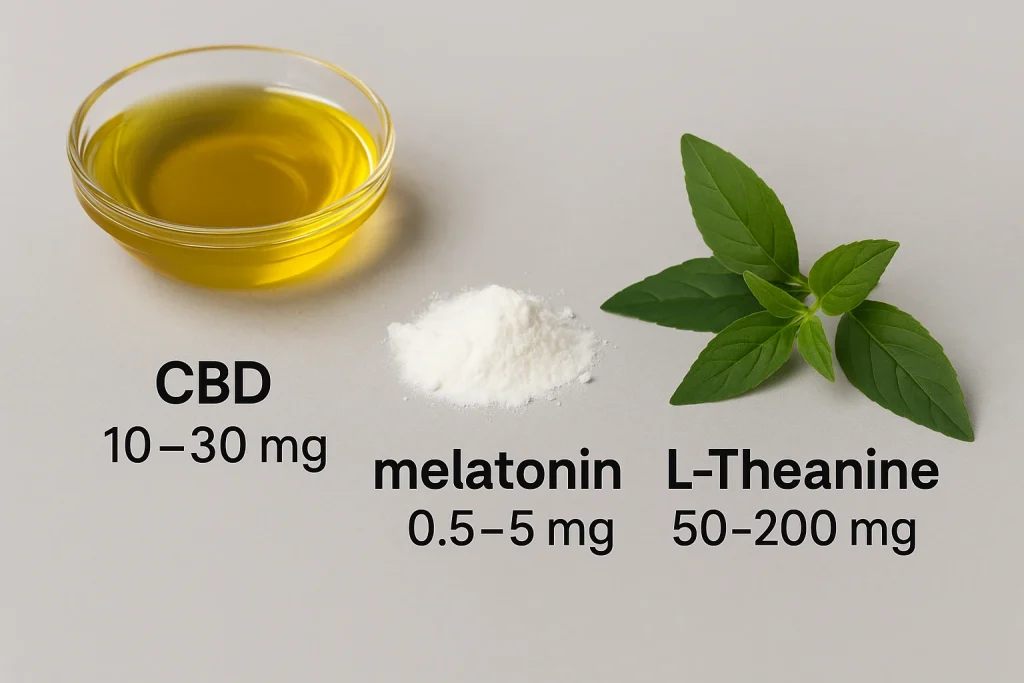
CBD Dosage
In formulating CBD gummies with Broad-Spectrum, market trends indicate that most commercial sleep products contain 10–30 mg of CBD per unit, often paired with melatonin or L-Theanine. Broad-spectrum formulations typically lean toward higher ranges to highlight the presence of additional cannabinoids and terpenes. Research suggests that CBD at 25–50 mg daily may support sleep onset and duration (Babson et al., 2017, Current Psychiatry Reports).
Melatonin Synergy
Melatonin is one of the most widely used nutraceutical sleep aids. Effective doses for adults range from 0.5–5 mg, though lower doses (0.5–1 mg) are often preferred in combination products to minimize grogginess.
L-Theanine for Relaxation
L-Theanine, an amino acid found in tea, is known for promoting relaxation without sedation. Common dosages in sleep formulations range from 50–200 mg. When paired with CBD, it may enhance stress reduction and sleep quality.
Regulatory Boundaries
It is critical to consider regional regulatory frameworks. For instance, the European Union imposes stricter dosage guidelines for melatonin in food supplements, while the U.S. market allows broader flexibility.
Ingredient Compatibility and Formulation Strategy
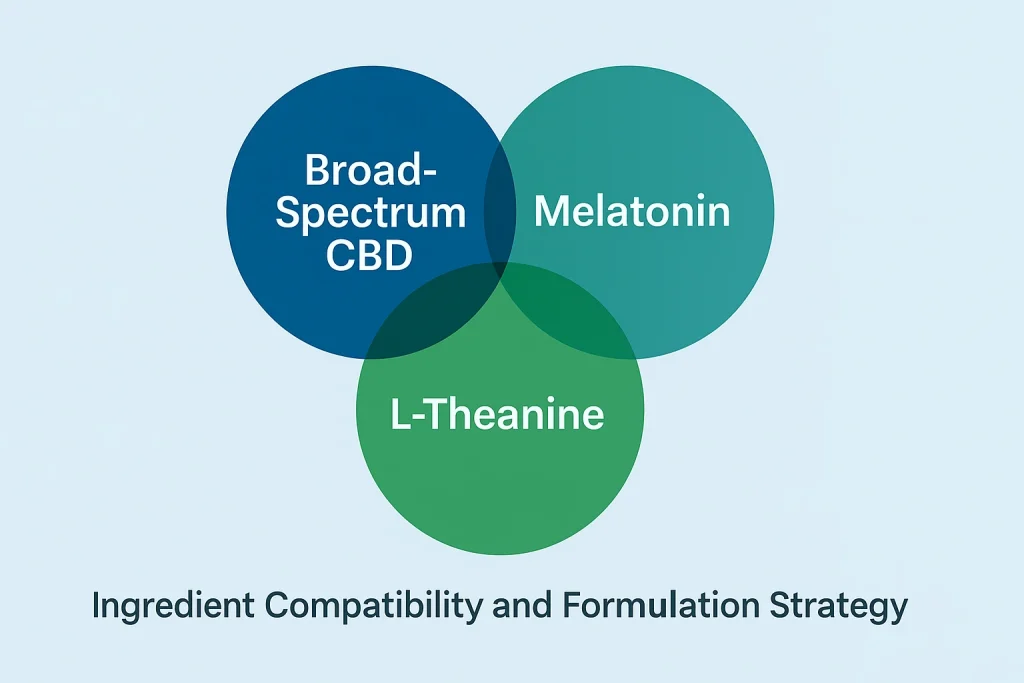
Broad-Spectrum CBD + Melatonin
The two compounds act through complementary pathways: CBD interacts with the endocannabinoid system, while melatonin regulates circadian rhythm. No adverse interactions are reported at typical dosages, but formulators must balance ratios carefully to avoid over-sedation.
Broad-Spectrum CBD + L-Theanine
CBD and L-Theanine share anxiolytic properties, potentially producing synergistic calming effects. This combination is especially attractive for stress-related insomnia.
Other optional synergists
- Magnesium glycinate: supports nervous system relaxation
- Glycine: shown to promote sleep onset and body temperature regulation
- Lemon balm extract (Melissa officinalis): traditional herbal sedative
The challenge for formulators lies in combining these without introducing excessive bitterness or instability.
Flavor Masking Techniques in CBD Gummies
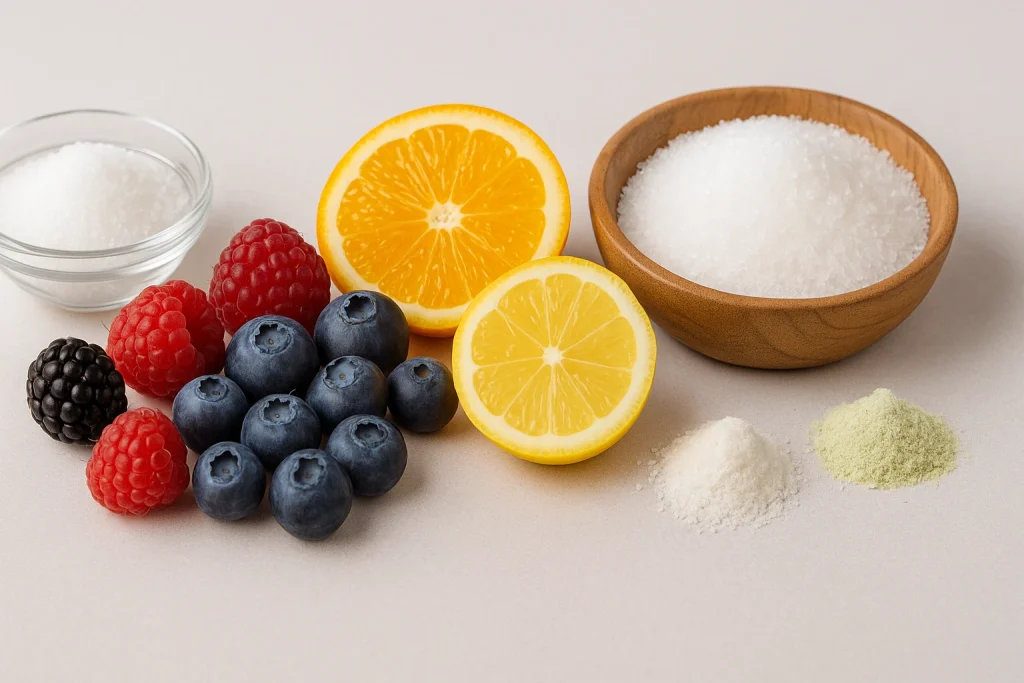
Broad-spectrum CBD carries a bitter, earthy taste that can overpower fruit-forward gummies. Effective masking strategies include:
- Flavor Selection:
- Berry profiles (blueberry, raspberry, blackberry) effectively complement CBD’s bitterness.
- Citrus flavors (orange, lemon, grapefruit) brighten the sensory experience.
- Acidulants:
Citric acid and malic acid balance bitterness and enhance fruit flavor authenticity. - Sweeteners:
Natural alternatives like stevia, monk fruit extract, or erythritol maintain a health-conscious profile while masking off-notes. - Encapsulation:
Encapsulating CBD in water-soluble carriers can further reduce bitterness and improve dispersion. As discussed in our article on water-soluble CBD technology, nanoemulsion and cyclodextrin complexes not only enhance absorption but also contribute to improved flavor profiles in gummies and beverages.
Stability Testing and Quality Assurance
CBD Stability Challenges
Broad-spectrum CBD is prone to degradation from light, heat, and oxygen exposure. Without proper protection, potency may decline significantly over 12 months.
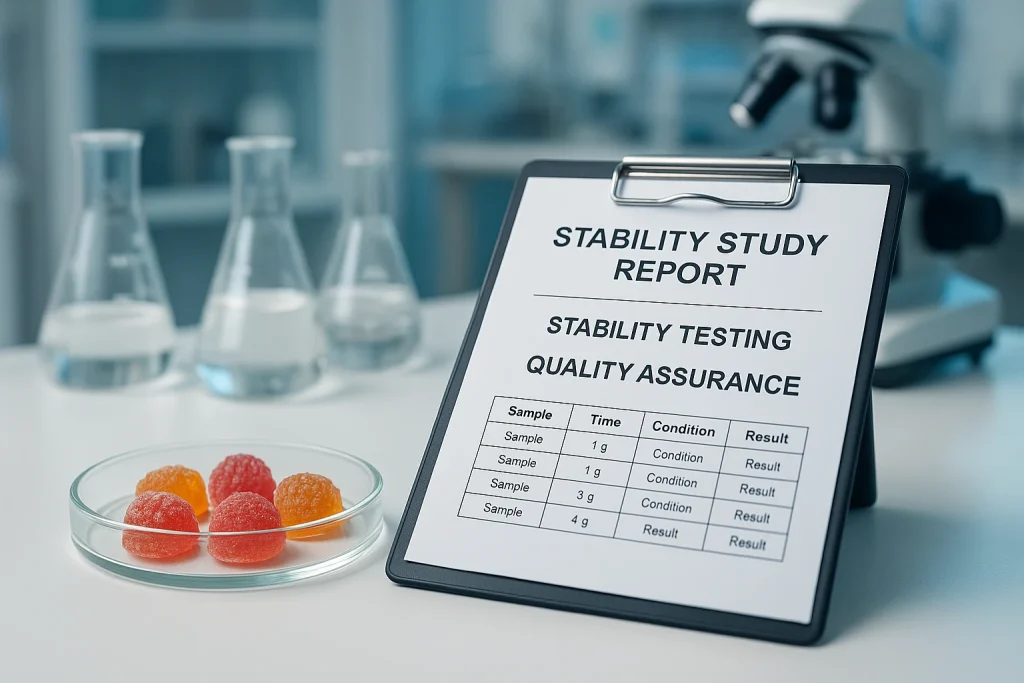
Testing Methods
- HPLC (High-Performance Liquid Chromatography): to quantify cannabinoid content over time.
- Accelerated Stability Studies: exposing gummies to 40°C / 75% relative humidity for six months to simulate long-term storage.
- Microbial Testing: essential due to high moisture content in gummies.
Strategies to Improve Stability
- Addition of antioxidants such as tocopherols (Vitamin E) or rosemary extract.
- Use of airtight, opaque packaging such as amber jars or blister strips.
- Encapsulation techniques to protect cannabinoids from oxidation.
One of the main challenges in formulating CBD gummies with Broad-Spectrum is selecting between traditional oil-based CBD and advanced water-soluble carriers, both of which directly influence long-term stability and consumer experience.
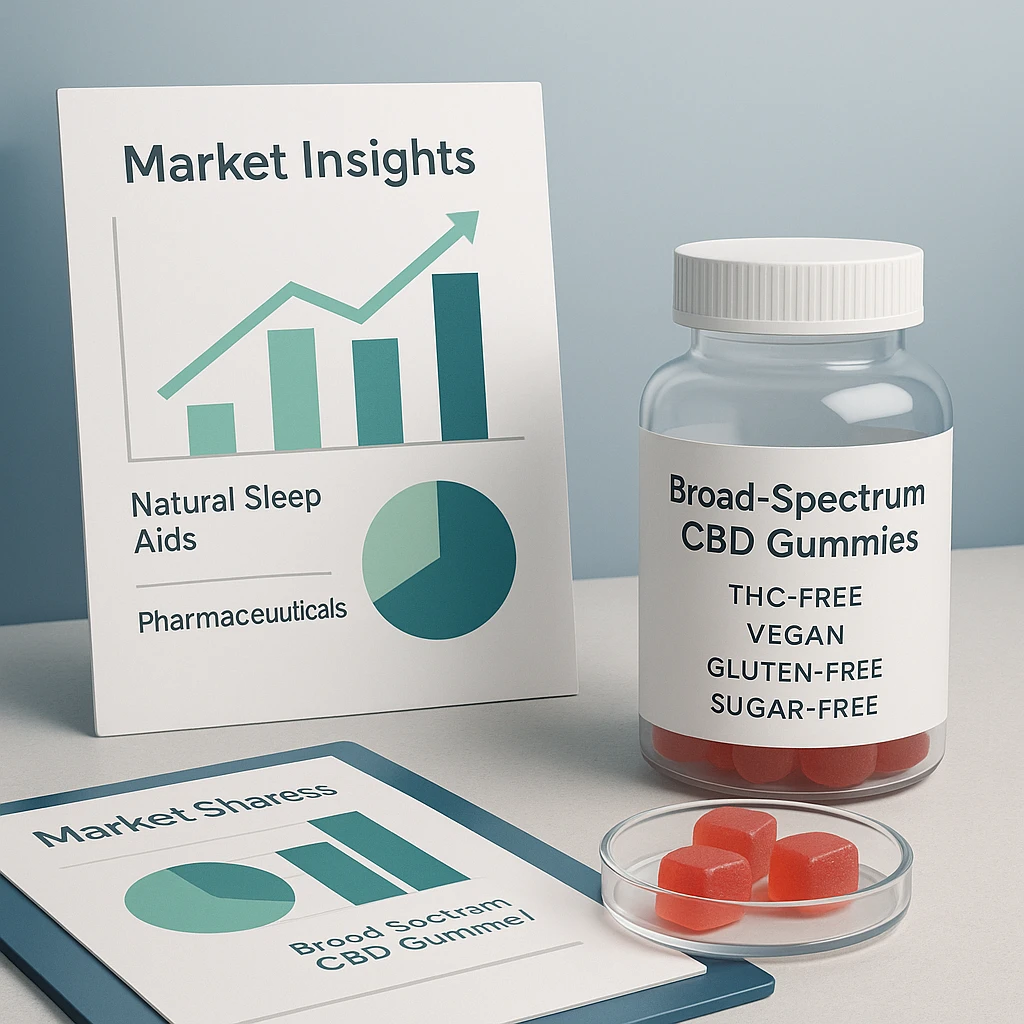
Market Insights: Positioning Broad-Spectrum CBD Sleep Gummies
Consumer Preferences
- Preference for “natural” solutions over pharmaceutical sleep aids.
- Demand for THC-free but broad-spectrum products that retain beneficial cannabinoids and terpenes.
- Desire for great-tasting, convenient formats.
Differentiation Strategies
- Positioning the product as a multi-ingredient sleep aid rather than a simple CBD gummy.
- Highlighting scientific backing and third-party COA (Certificate of Analysis).
- Leveraging vegan, gluten-free, or sugar-free claims to widen appeal.
B2B Implications
For contract manufacturers and brand owners, broad-spectrum CBD gummies represent a high-value niche. OEM/ODM partners can offer differentiation through custom flavor systems, tailored cannabinoid ratios, and proprietary stability-enhancing processes.
Conclusion
Formulating a best-selling sleep gummy with broad-spectrum CBD requires more than simply blending actives into a confectionery base. It is a scientifically grounded process involving precise dosage design, compatibility analysis, sensory optimization, and rigorous stability testing.
By mastering the science of formulating CBD gummies with Broad-Spectrum, and thoughtfully integrating melatonin, L-Theanine, and other synergistic agents, formulators can create sleep gummies that are both efficacious and enjoyable.Furthermore, leveraging technologies such as nanoemulsions and cyclodextrin complexes can enhance bioavailability and improve flavor—a critical differentiator in an increasingly crowded market.
As consumer demand for natural sleep aids continues to expand, well-formulated CBD gummies hold the potential to become cornerstone products in the nutraceutical industry.
FAQ
Q1: What is the ideal dosage of broad-spectrum CBD in sleep gummies?
Most sleep gummies contain 10–30 mg per gummy, though 25 mg is often used in synergistic formulations with melatonin and L-Theanine.
Q2: Why combine broad-spectrum CBD with melatonin and L-Theanine?
The combination leverages complementary mechanisms: CBD supports endocannabinoid balance, melatonin regulates circadian rhythm, and L-Theanine promotes relaxation. Together, they may enhance sleep quality more effectively than any single ingredient.
Q3: How can formulators mask the bitter taste of CBD in gummies?
Flavor masking strategies include using berry or citrus flavors, acidulants like citric acid, natural sweeteners, and encapsulation methods that improve palatability.
Q4: What stability tests are required for CBD gummies?
Key tests include HPLC potency analysis, accelerated stability studies (40°C/75% RH), and microbial testing. These ensure potency retention and product safety over shelf life.
Q5: Are water-soluble CBD technologies relevant for gummy formulation?
Yes. Nanoemulsions and cyclodextrin inclusion complexes can improve CBD dispersion, absorption, and flavor masking in gummies. They are particularly valuable when targeting consistent bioavailability in functional food products.