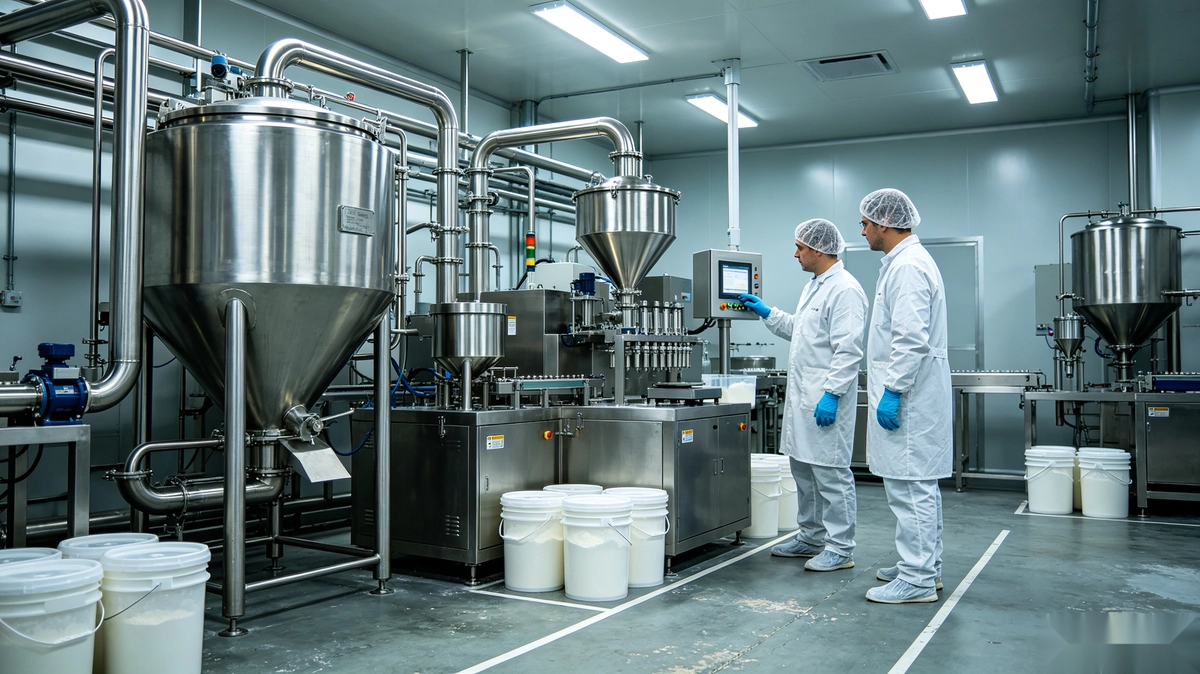
Before approving a supplier, serious buyers do not ask about flavors.
They ask about risk.
The most common private label gummy manufacturer questions are not marketing-driven. They are screening tools used to determine whether a project will scale, comply, and launch without disruption.
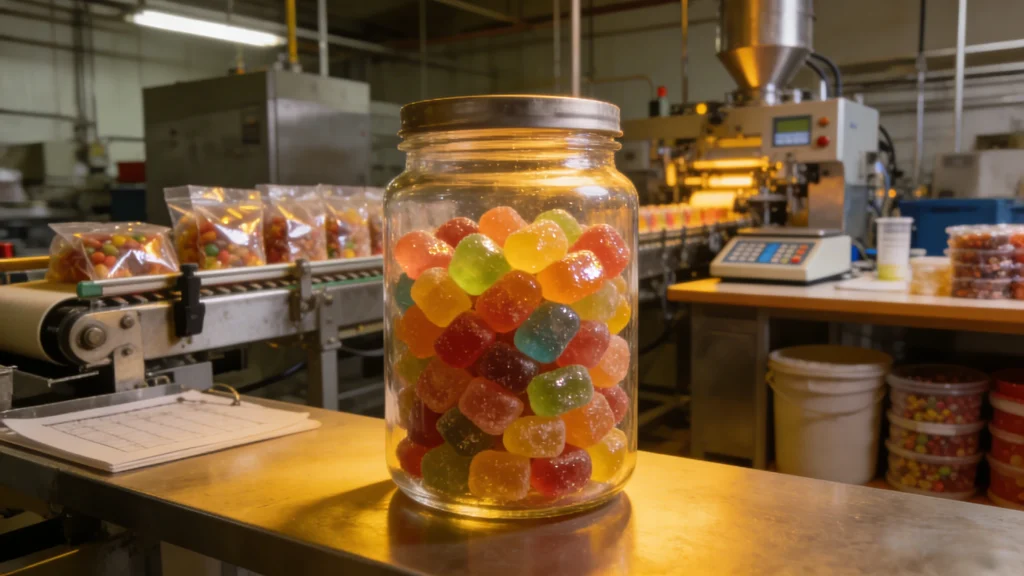
Below are the core questions experienced buyers ask before moving forward.
1. Can This Manufacturer Support High Active Formulations?
Buyers developing creatine, caffeine, or performance-positioned gummies often begin here.

They want to know:
- What is the realistic dosage per gummy?
- What are the stability limits?
- Will the formulation survive scale-up?
This question connects directly to discussions around maximum active load pectin gummies, where feasibility is defined by manufacturing constraints rather than label ambition.
If a supplier cannot clearly explain formulation limits, risk increases.
2. How Is Bitterness Managed in High-Dose Caffeine Gummies?
For energy and focus products, taste failure is common.
Serious buyers ask:
- What is the bitterness masking strategy?
- Is encapsulation used?
- How does scale-up affect flavor release?
These questions relate to bitterness masking for caffeine gummies, which often determines consumer acceptance at commercial scale.
3. What Third-Party Verification Is Available?
Compliance questions usually appear early in procurement.
Buyers typically request:
- Heavy metal testing panels
- Microbial screening results
- Finished product documentation
This is where third-party COA verification becomes a decisive factor in supplier selection.
A manufacturer that cannot provide structured documentation is rarely approved.
4. Is the Facility Audit-Ready?
Beyond documents, buyers evaluate systems.
They ask:
- How are deviations handled?
- Can batch traceability be demonstrated?
- Are SOPs consistently followed?
These concerns align with evaluating a GMP certified gummy manufacturer that can withstand real audit scrutiny.
Certification alone is not the final answer—execution is.
5. What Are the Real MOQ and Lead Time Expectations?
Once technical and compliance risks are addressed, buyers move to execution planning.
They want clarity on:
- Minimum production volume
- Packaging constraints
- Timeline from formula lock to first run
Understanding gummy manufacturing MOQ lead time helps buyers plan launch schedules realistically.
Unclear answers here often delay projects.
6. How Are Packaging and Compliance Handled Together?
Packaging is not only aesthetic.
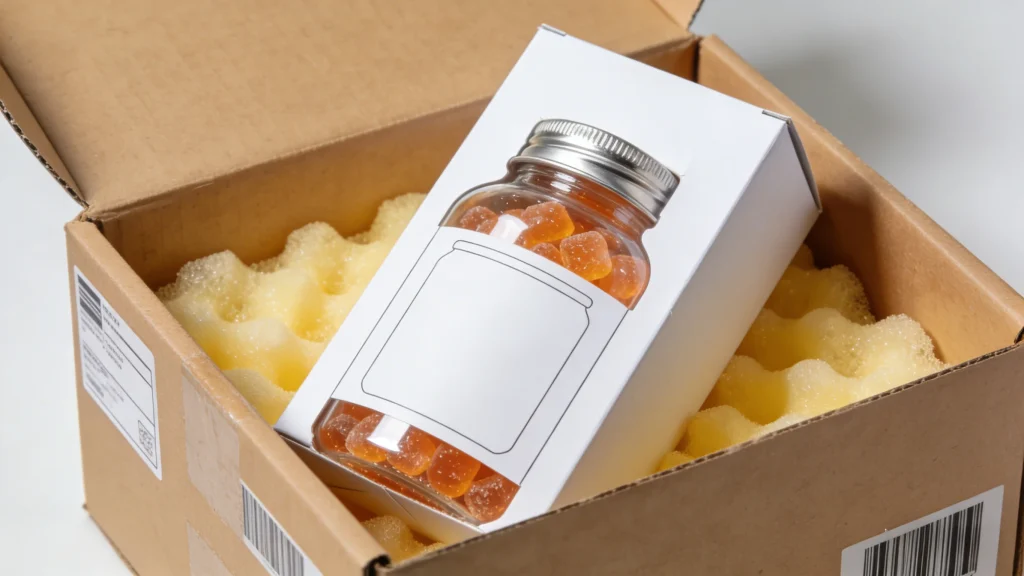
It affects:
- Production scheduling
- Documentation review
- Regulatory compliance
Experienced buyers confirm that packaging decisions are aligned with manufacturing timelines before approving production.
7. What Happens If Something Changes After Sampling?
Projects rarely move in straight lines.
Buyers want to know:
- How formula revisions affect lead time
- Whether documentation must be resubmitted
- How production slots are adjusted
Transparent process communication reduces downstream friction.
8. Does the Manufacturer Think Like a Partner or a Vendor?
The final screening question is less technical.
Buyers assess whether the supplier:
- Identifies risk early
- Sets realistic expectations
- Aligns production with commercial goals
The difference between partnership and transaction often determines long-term success.
How Jiabei Health Supports Private Label Buyers
Jiabei Health supports private label gummy development through:
- Feasibility-first formulation evaluation
- Structured compliance documentation
- Process-aligned MOQ and timeline planning
- OEM/ODM customization with global logistics support
Our approach is designed to answer the questions serious buyers ask before they need to ask them.
FAQ
What questions should I ask a private label gummy manufacturer?
Serious buyers typically ask about active load limits, bitterness control, third-party COA testing, GMP systems, and realistic MOQ and lead time expectations.
How do I evaluate a high active gummy manufacturer?
Evaluate feasibility, stability limits, compliance documentation, and manufacturing systems rather than focusing only on sample quality.
Why are compliance and testing important before approving production?
Third-party verification and audit readiness reduce regulatory risk and prevent launch delays.
When should MOQ and lead time be discussed?
MOQ and lead time should be aligned early, once formulation feasibility and compliance readiness are confirmed.