Why Berberine Has Become a Key Ingredient for Diabetes Management
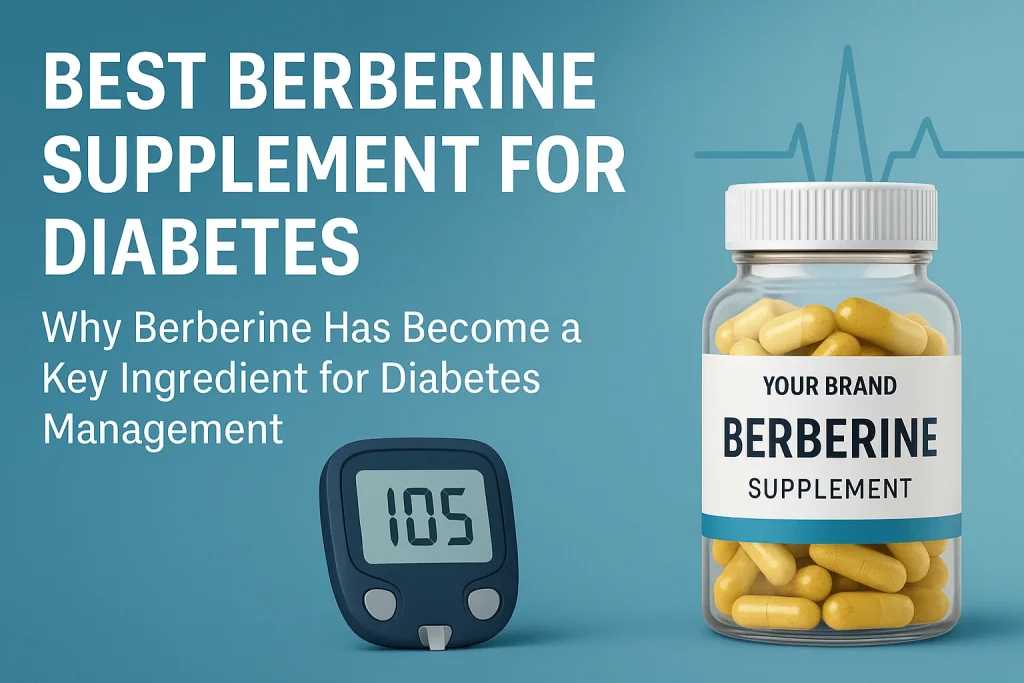
In recent years, berberine has gained a reputation as one of the most promising natural compounds for blood sugar control. When buyers search for the best berberine supplement for diabetes, they are not only looking for clinical efficacy but also for reliable sourcing, regulatory compliance, and market potential.
Unlike many “trending” ingredients, berberine’s popularity is grounded in scientific evidence. Several studies, including those published in the National Center for Biotechnology Information (NCBI), highlight its ability to improve insulin sensitivity, regulate blood glucose levels, and reduce HbA1c. This positions berberine as more than a fad—it is a clinically relevant supplement.
Beyond the Hype: What Makes Berberine Effective?
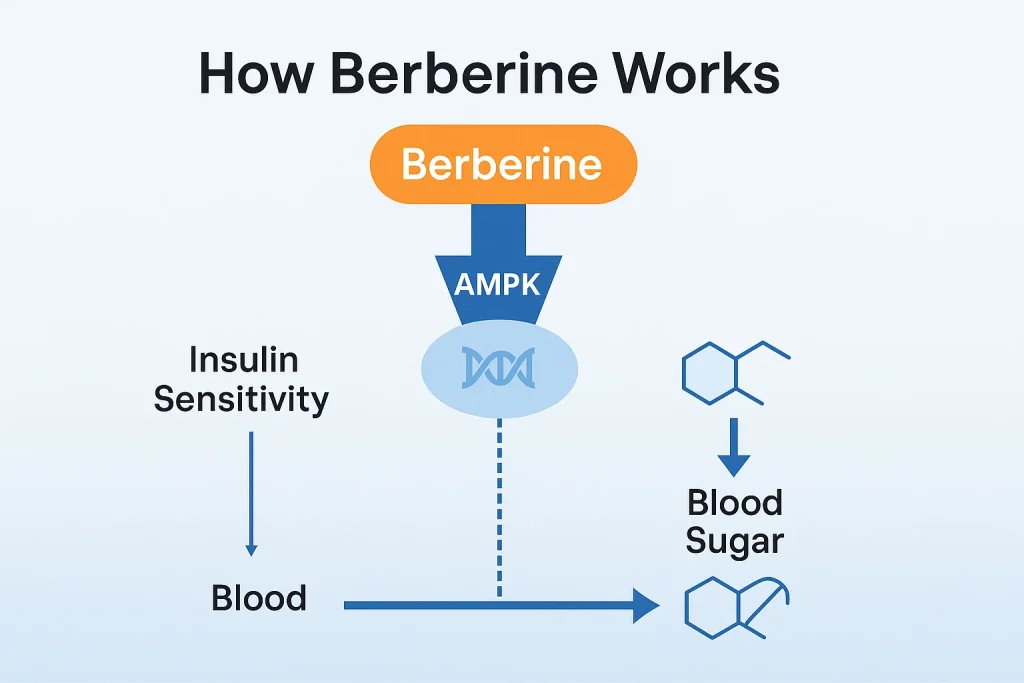
Berberine is an isoquinoline alkaloid found in plants like Berberis aristata and Coptis chinensis. Unlike generic blood sugar support blends, berberine’s mechanism has been studied in detail.
- Insulin Sensitivity: Berberine activates AMP-activated protein kinase (AMPK), often called the body’s “metabolic switch,” helping cells respond better to insulin.
- Blood Sugar Regulation: Clinical trials demonstrate reductions in fasting plasma glucose and postprandial glucose.
- Cholesterol Balance: Research also suggests improved lipid profiles, which is critical since type 2 diabetes often coexists with cardiovascular risks (American Diabetes Association).
These scientific insights explain why berberine is compared to pharmaceutical drugs like metformin, with fewer side effects reported in most cases.
Buyer Pitfalls: Why Not Every Berberine Supplement Delivers
While demand is high, not every berberine product on the market qualifies as the best berberine supplement for diabetes. Buyers and importers face several recurring problems:
- Purity & Standardization Issues – Some suppliers use low-purity extracts (<80%), reducing clinical effectiveness.
- Inconsistent Dosage – Studies support 500–1500 mg daily, but many products underdose to cut costs.
- Labeling Gaps – Products without transparent Certificates of Analysis (COAs) risk rejection at customs.
- Compliance Failures – Lack of GMP, Halal, or Kosher certification limits entry into major markets.
- Supply Chain Instability – Late shipments, poor packaging, and missing documents damage buyer trust.
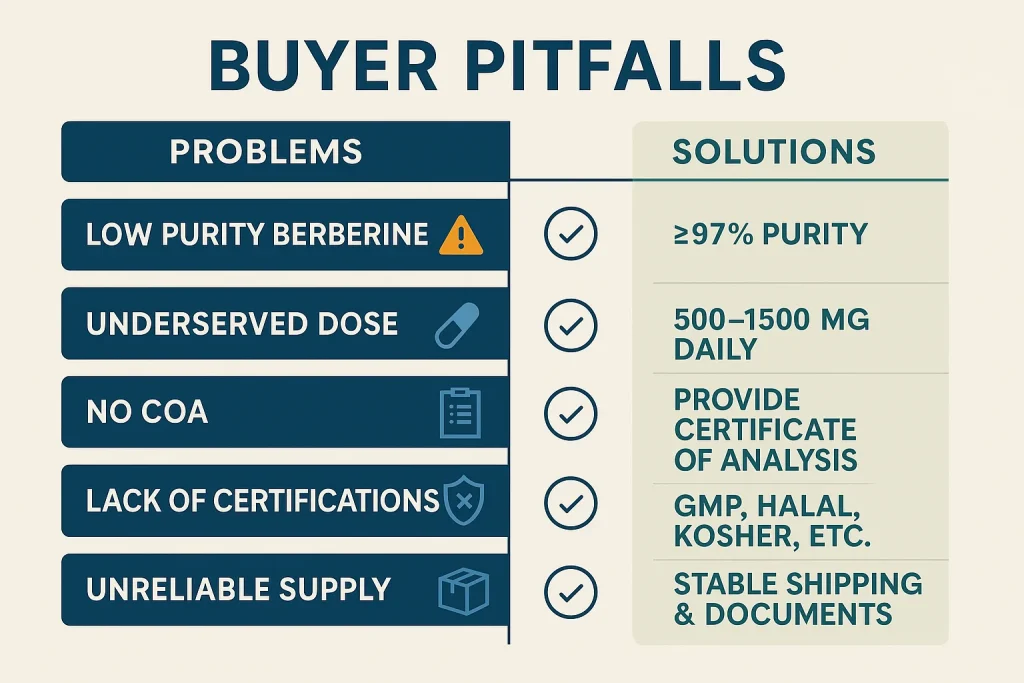
For serious distributors, avoiding these pitfalls requires a structured evaluation process.
What “Best” Really Means: Different Buyer Perspectives
The definition of “best berberine supplement for diabetes” changes depending on who you ask:
- Pharmacy buyers: Focus on consistent clinical outcomes and long-term patient trust.
- E-commerce brand owners: Need visually appealing packaging, unique formulations, and SEO-friendly labeling.
- Wholesale distributors: Value bulk pricing, regulatory compliance, and reliable logistics.
In B2B sourcing, “best” is not a one-size-fits-all claim—it’s a combination of efficacy, compliance, and market positioning.
OEM & Private Label: How Brands Create Market Advantage
Most businesses don’t buy berberine supplements off the shelf; they develop OEM or private label products to capture market share.
Advantages of OEM/ODM:
- Customized Formulations – Berberine combined with chromium, milk thistle, or probiotics.
- Format Innovation – Vegan capsules, sugar-free gummies, or sustained-release tablets.
- Packaging Adaptation – Labels tailored for US FDA requirements, EU language standards, or Thai FDA submission.
- Regulatory Support – Factories that provide COAs, FDA registration numbers, and Free Sales Certificates save months of regulatory hassle.
By working with an OEM manufacturer, brands can launch a differentiated “best berberine supplement for diabetes” that resonates with their target audience.
Case Studies: How Buyers Succeed with Berberine
- Case 1: Southeast Asia Distributor
A Thai importer partnered with an OEM factory to launch vegan berberine capsules. With Halal certification and Thai FDA documentation, the product quickly entered local pharmacies. - Case 2: US E-Commerce Brand
An Amazon seller introduced a formula combining berberine + milk thistle + chromium. Strong keyword targeting around best berberine supplement for diabetes helped the product rank, while clinical synergy boosted reviews and repurchase rates.
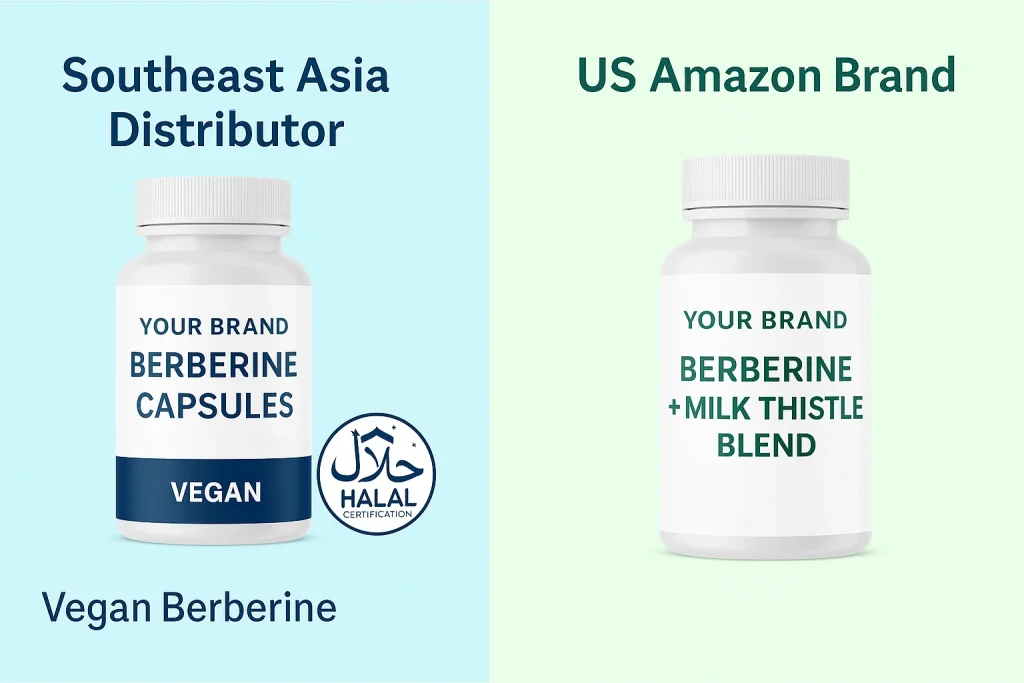
These examples demonstrate that “best” products are not generic—they reflect market-specific needs, certifications, and compliance.
Market Trends Shaping the Future of Berberine Supplements
- Vegan & Sugar-Free Demand – Gummies and capsules that fit lifestyle preferences are outpacing tablets.
- Combination Formulas – Berberine + probiotics or berberine + antioxidants for holistic metabolic support.
- Regulatory Strengthening – EU and US regulators are tightening supplement claims, making compliance a competitive edge.
- Sustainability – Eco-friendly packaging and transparent sourcing are increasingly valued by distributors.
These shifts indicate that the best berberine supplement for diabetes tomorrow will look different from today, with innovation driving buyer decisions.
Practical Buyer’s Checklist Before Sourcing Berberine
For B2B buyers, here’s a pre-order checklist to identify a reliable partner:
- GMP, HACCP, and FSSC22000 certification verified.
- COA samples available before shipment.
- Halal and Kosher certification if targeting Muslim or Jewish markets.
- Ability to deliver urgent orders within 15 days.
- DDP shipping and customs clearance support.
- Transparent batch tracking and stability testing.
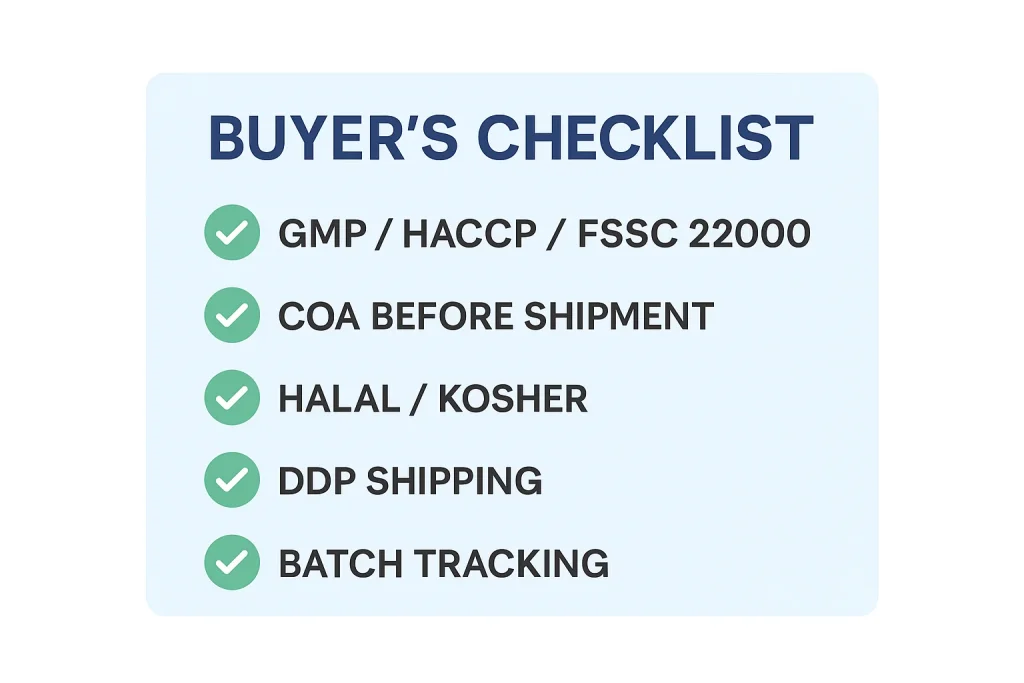
By applying this checklist, importers avoid common pitfalls and secure real value from their suppliers.
Jiabei Health Advantage: Building the Best Berberine Solutions
At Jiabei Health, our factory offers:
- Compliance-Ready Manufacturing – GMP, BRCGS, FSSC22000, Halal, Kosher.
- Flexible OEM/ODM – From capsules to gummies, tailored to buyer markets.
- Global Logistics – DDP shipping and full customs support.
- Documentation – FDA registration, Free Sales Certificates, COAs for every batch.
With automated production lines and in-house R&D, Jiabei Health ensures every client receives a best-in-class berberine supplement for diabetes, backed by both science and regulatory trust.
FAQs
What is the best dosage of berberine for diabetes?
Most studies support 500–1500 mg per day, divided into two or three doses. Exact amounts should be determined with medical consultation.
Can berberine be combined with other supplements?
Yes, common combinations include berberine with milk thistle, chromium, or probiotics for enhanced metabolic support.
Is berberine safe for long-term use?
Studies suggest good tolerability, but buyers should ensure supplements meet COA and purity standards.
How can B2B buyers verify product quality?
Request COAs, review certification documents, and evaluate production compliance before finalizing orders.
Conclusion
The search for the best berberine supplement for diabetes is not about finding a single universal product—it’s about sourcing the right formula, certification, and compliance for your market. With consumer demand and clinical research supporting berberine, distributors and private label brands have a unique opportunity to expand their product lines.
By partnering with a GMP-certified OEM like Jiabei Health, buyers can confidently launch differentiated, compliant, and effective supplements that stand out in a competitive marketplace.