Introduction
The global shift toward plant-based living has made nutritional supplementation more complex than ever. One nutrient group that frequently sparks debate is omega fatty acids. These essential fats are well-known for supporting cardiovascular function, cognitive health, and inflammatory balance, yet they are most abundant in fish and seafood. For vegetarians and vegans, finding sustainable, ethical, and effective alternatives is crucial. This is where the concept of omega supplement vegetarian solutions comes into play.

Why Vegetarians Need Omega Fatty Acids
While a balanced vegetarian diet can provide many nutrients, omega-3 fatty acids—particularly DHA (docosahexaenoic acid) and EPA (eicosapentaenoic acid)—remain difficult to obtain.
- Plant limitations: Foods like flaxseeds, chia seeds, and walnuts contain ALA (alpha-linolenic acid), but the body only converts a small percentage into DHA and EPA.
- Health implications: Insufficient DHA and EPA intake has been linked to poor cardiovascular outcomes and cognitive decline (see NIH Omega-3 Fact Sheet).
- Long-term considerations: Vegetarians who rely solely on ALA may face nutritional gaps, making supplementation a practical and preventative choice.
The Advantages of Omega Supplement Vegetarian Options
Switching from fish oil to vegetarian alternatives offers several benefits:
- Sustainability – Algal oil, the primary vegetarian omega-3 source, requires fewer resources and avoids overfishing.
- Purity – Plant-based omega supplements are free from ocean contaminants such as mercury and microplastics.
- Ethical alignment – They meet vegetarian and vegan standards without compromising nutrition.
- Taste and tolerance – Unlike fish oil, vegetarian omega supplements typically lack the fishy aftertaste.
Common Types of Vegetarian Omega Supplements
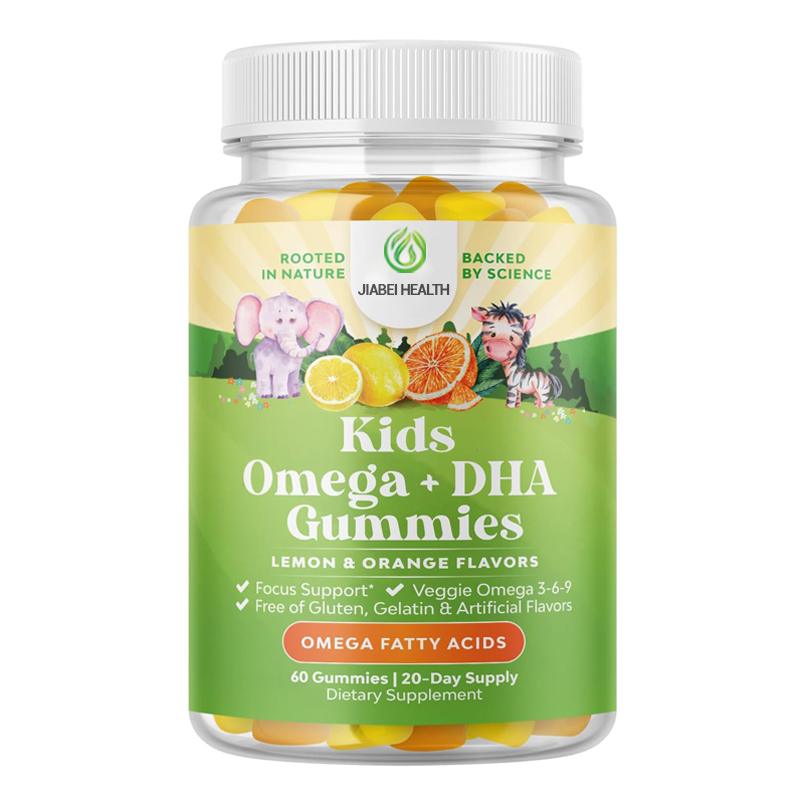
Vegetarians today have more options than ever before, with products that go beyond softgels. For families, gummy supplements can be particularly appealing. A good example is Kids Omega Gummies with DHA – Lemon & Orange Flavor, which makes it easier for children to get essential DHA in a tasty format.
- Algal oil capsules – A direct source of DHA and EPA, often recommended for brain and eye health.
- Flaxseed oil softgels – A plant-based source of ALA that supports general cardiovascular function.
- Chia seed oil supplements – Lightweight and rich in ALA, suitable for daily use.
- Omega 3-6-9 blends – Combining flax, sunflower, and evening primrose oil for a balanced fatty acid profile.
A study published in Nutrients emphasized that algal oil DHA is bioequivalent to fish oil DHA, making it a reliable vegetarian substitute (PubMed study).
Global Market and B2B Growth
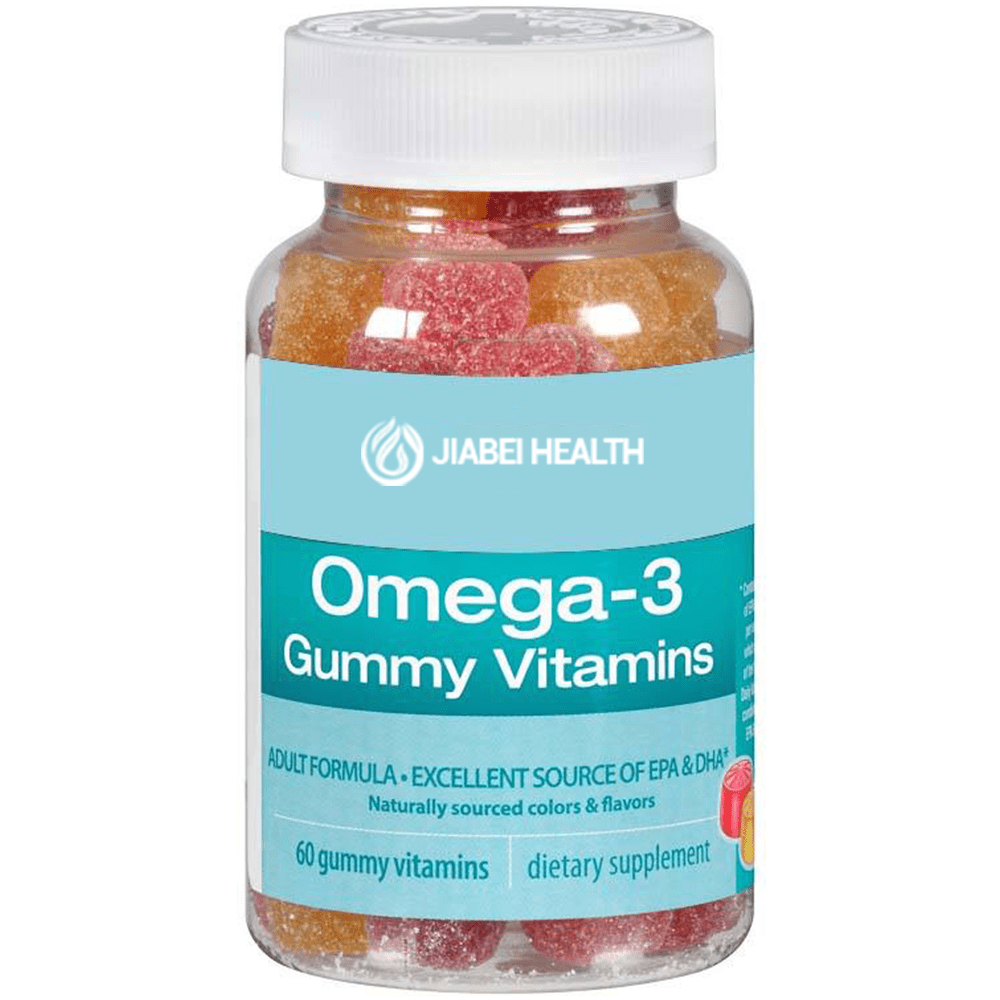
The vegetarian omega market has expanded rapidly, driven by the popularity of gummies as a convenient delivery format. Adults seeking plant-based DHA and EPA often choose advanced formulations such as Omega-3 Gummy Vitamins | EPA & DHA Supplement for Adults – Jiabei Health, which combine effective nutrition with a consumer-friendly form.
B2B buyers are increasingly requesting:
- Customized formulations (softgels, gummies, or liquid drops).
- Private label solutions for regional retail brands.
- Compliance documentation, including COA, GMP certification, and Halal/Kosher certification for global trade.
With an estimated CAGR of over 7% in the next five years, omega supplement vegetarian formulations represent a profitable sector for distributors and OEM/ODM partners.
OEM/ODM and Quality Control Considerations
Businesses sourcing vegetarian omega supplements should pay close attention to:
- Raw material sourcing – Non-GMO algal oil or cold-pressed seed oils.
- Certifications – Look for GMP, FSSC 22000, BRCGS, Halal, and Kosher approvals.
- Third-party testing – A Certificate of Analysis (COA) ensures purity, potency, and safety.
- Packaging formats – From amber glass bottles to eco-friendly blister packs.
For importers, reliable logistics and documentation—such as FDA registration and Free Sale Certificates—are key to smooth global distribution.
Choosing the Right Omega Supplement Vegetarian Formula
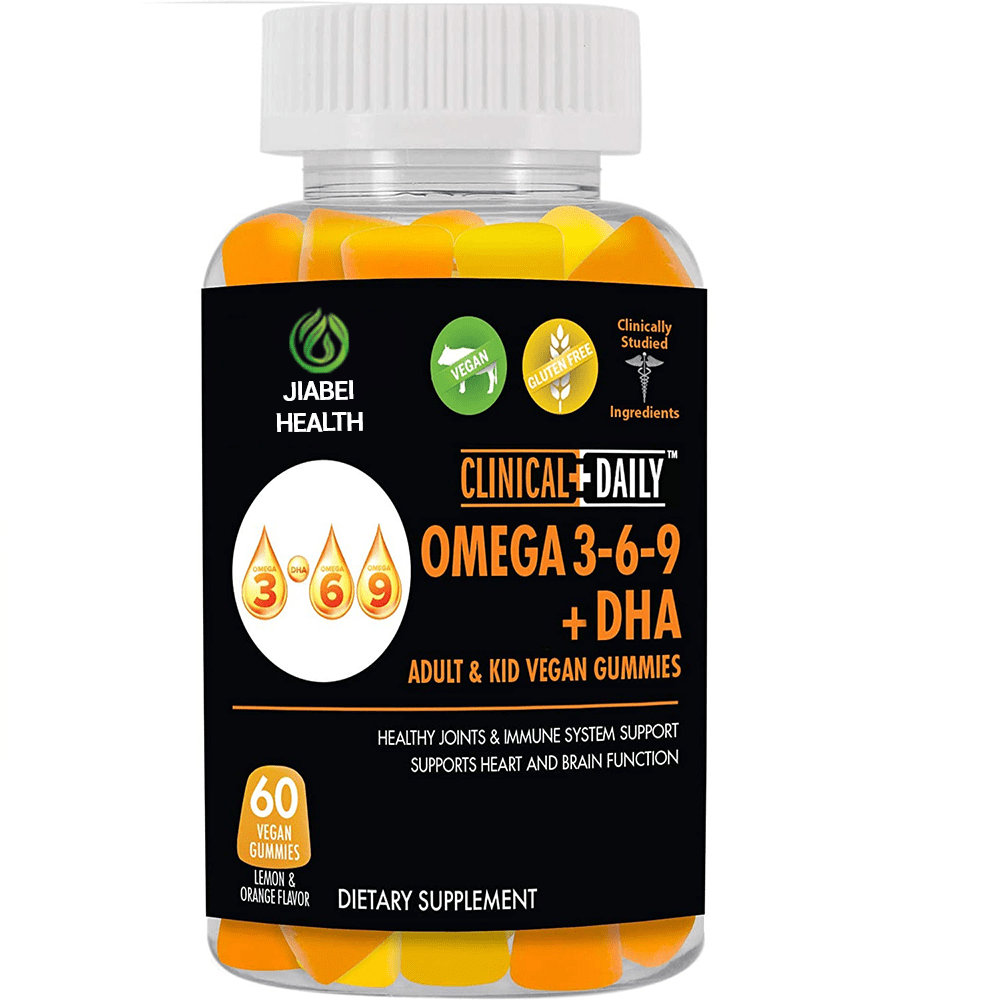
When evaluating vegetarian omega products, businesses may also consider blends that provide a more complete fatty acid profile. Lemon Orange Omega 3-6-9 + DHA Vegan Gummies – OEM & Private Label Dietary Supplement are an example of how multifunctional gummies can appeal to broader markets, balancing omega-3, omega-6, and omega-9 with added DHA.
When choosing, look at:
- Source of DHA and EPA – Algal oil is the gold standard.
- Dosage levels – Clinical studies suggest 250–500 mg combined DHA/EPA per day for adults (Healthline Omega-3 Guide).
- Product transparency – Brands offering COAs and full traceability inspire buyer confidence.
- Certifications and compliance – Ensure global standards are met for smoother market entry.
Conclusion
For vegetarians, omega supplementation is not a luxury—it is a necessity for long-term health. The emergence of high-quality algal oil products and other plant-based alternatives has closed the nutritional gap once dominated by fish oil. For businesses, omega supplement vegetarian solutions present both a market opportunity and a step toward sustainability. With consumer demand rising, investing in reliable OEM/ODM partnerships ensures both compliance and growth potential.
FAQ
Can vegetarians get enough omega-3 without supplements?
Not always. While foods like chia seeds and flaxseeds contain ALA, the body converts very little into DHA and EPA, making supplementation highly recommended.
Are algal oil supplements as effective as fish oil?
Yes. Clinical studies confirm algal DHA is bioequivalent to fish oil DHA.
Is omega supplement vegetarian safe during pregnancy?
Yes, in fact, DHA from algal oil is often recommended for prenatal use, but dosage should be confirmed with a healthcare professional.
What certifications should I look for in vegetarian omega supplements?
GMP, FSSC22000, Halal, Kosher, and COA reports are crucial for quality and global trade compliance.